2016 Challenge - 12 Key Moments in Warsaw That Year
Warsaw in 2016: what happened a decade ago - and how it shaped the Polish capital we know today, from Hala Koszyki and Nocny Market to Warsaw Spire and beyond.
In early 2026, social media is suddenly full of 2016: old photos, old filters, old trends - a flood of nostalgia. It feels like the perfect moment for a Warsaw throwback, especially because the city has changed so dramatically over the last decade.
Hala Koszyki sets a template the city will return to again and again: restoring the past, then giving it a modern touch through food, culture, and heritage.
2016 is when Warsaw starts to behave like the city we recognise today: more walkable nights, more street food, and a more defined modern skyline. Here are some of the key 2016 moments that form a mood board of how Warsaw quietly turned a page.
The food-hall era begins: Hala Koszyki
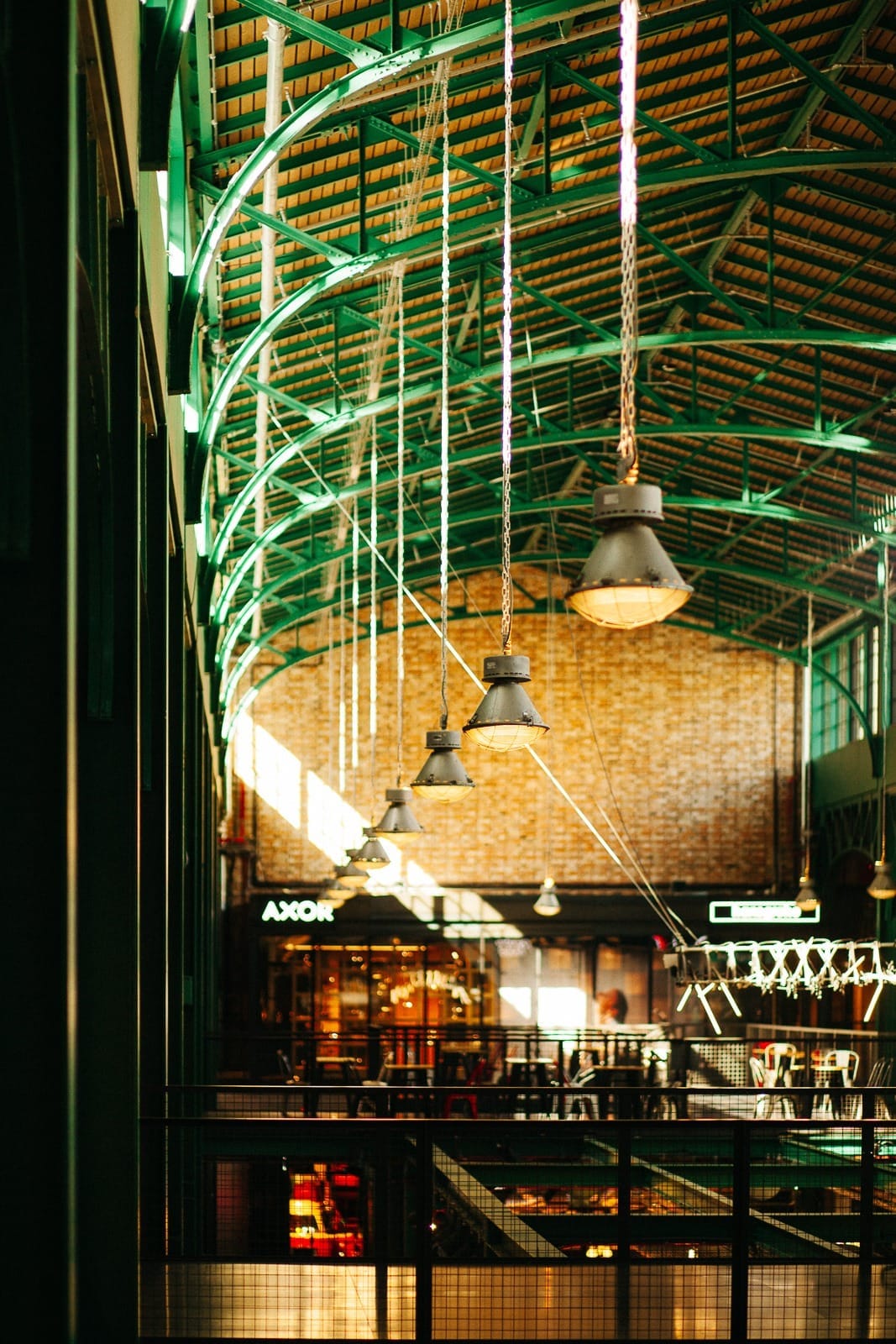
Warsaw has plenty of food halls now, but the turning point is 2016. When Hala Koszyki reopens in October, it doesn’t just revive a historic market hall - it gives the capital a new social ritual.
Suddenly, dinner becomes less about one restaurant and more about choosing and sharing - a new way of spending time together. Music in the background. Conversations layered with energy. A casual rhythm that invites you to stay longer. Hala Koszyki sets a template the city will return to again and again: restoring the past, then giving it a modern touch through food, culture, and heritage. In many ways, it becomes part of Warsaw’s signature.
Wola upgrades: Warsaw Spire and Plac Europejski
Plac Europejski becomes the stage: fountains, people on the streets, and a new habit of lingering ... how recently “nothing” used to be the dominant feeling.
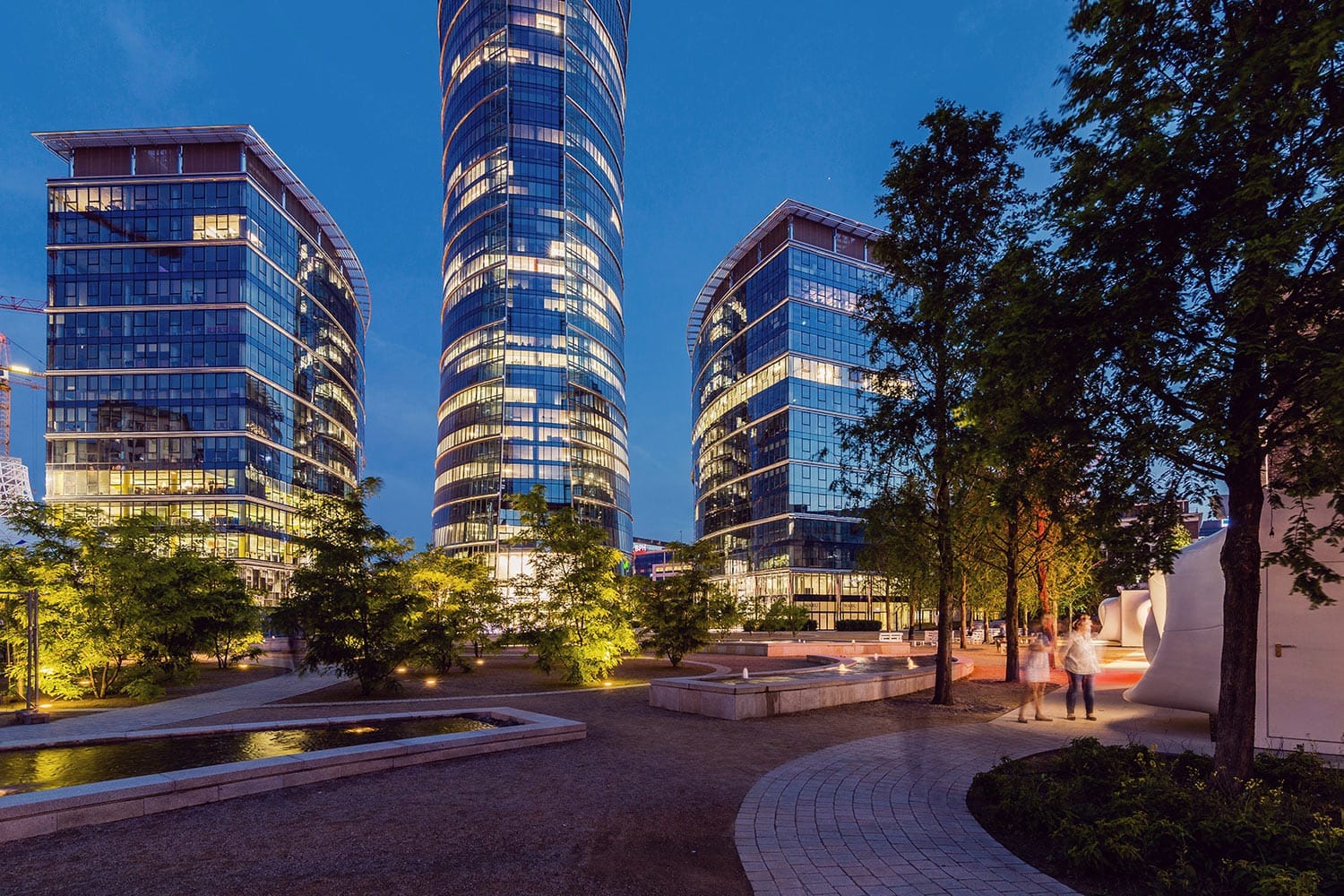
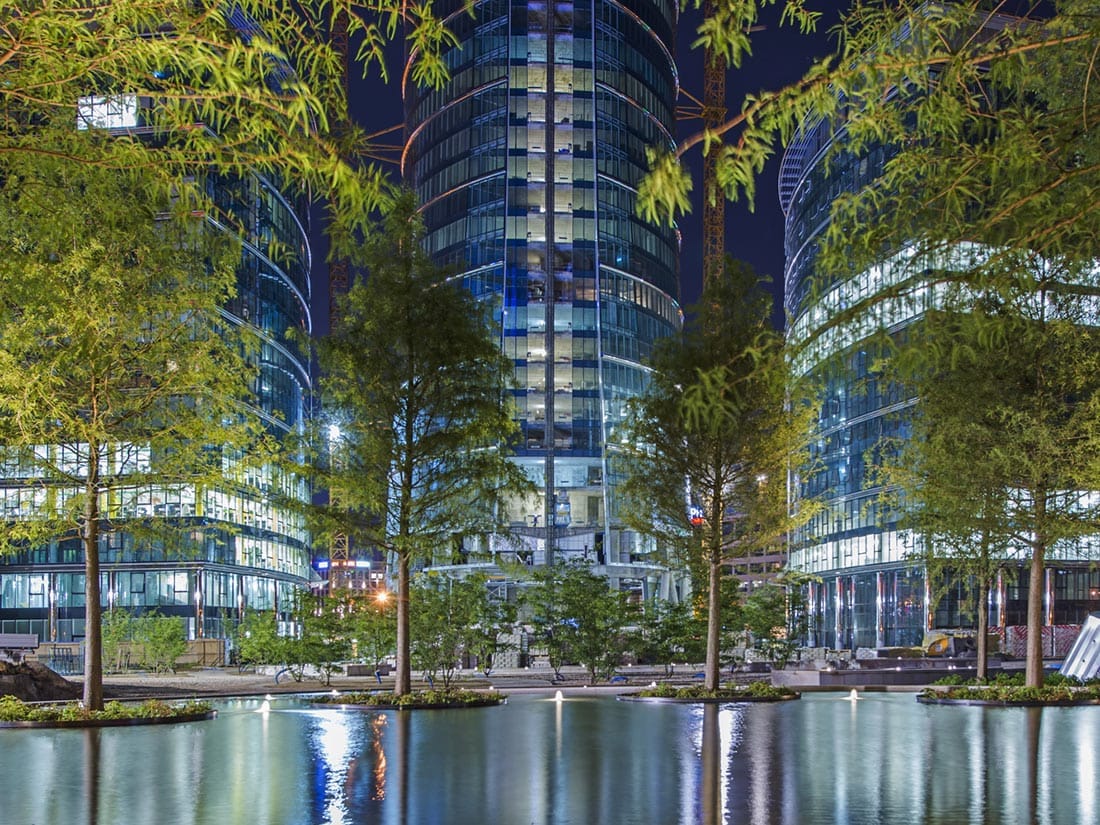
Warsaw Spire and Plac Europejski. Photo: press material, Ghelamco
Can we imagine today’s Bliska Wola without its modern skyline - half-empty, quiet, and slightly forgotten?
In the first half of 2016, the Warsaw Spire complex is completed, and with it comes something Warsaw had been missing: a modern district that doesn’t feel like it shuts down after office hours. At first, it isn’t as magnetic as it is today, but the new chapter has already started, right in the centre of the city.
Back then, many Warsaw office jobs still meant commuting to Mordor (the colloquial nickname for the office district around Domaniewska) in Mokotów. In the 2010s it symbolised heavy traffic and corporate routines, with headquarters of domestic companies and branches of international corporations. Then Wola begins to shift that gravity.
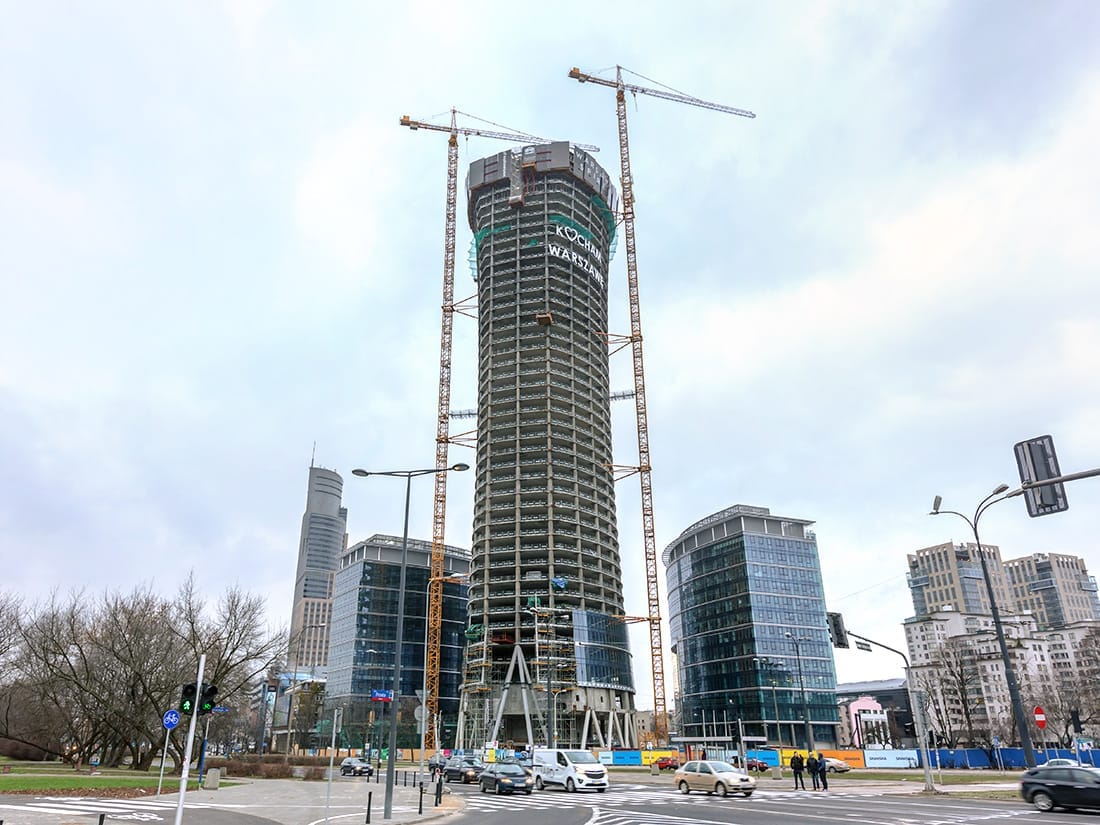
Plac Europejski becomes the stage: fountains, people on the streets, and a new habit of lingering - in a space that feels designed for exactly that. It’s only the beginning: Bliska Wola keeps growing into the business centre it is today, with Warsaw Spire as one of its first defining signals. Now it’s hard to imagine how quickly the area changed - and how recently “nothing” used to be the dominant feeling.
Q22 glass skyscraper
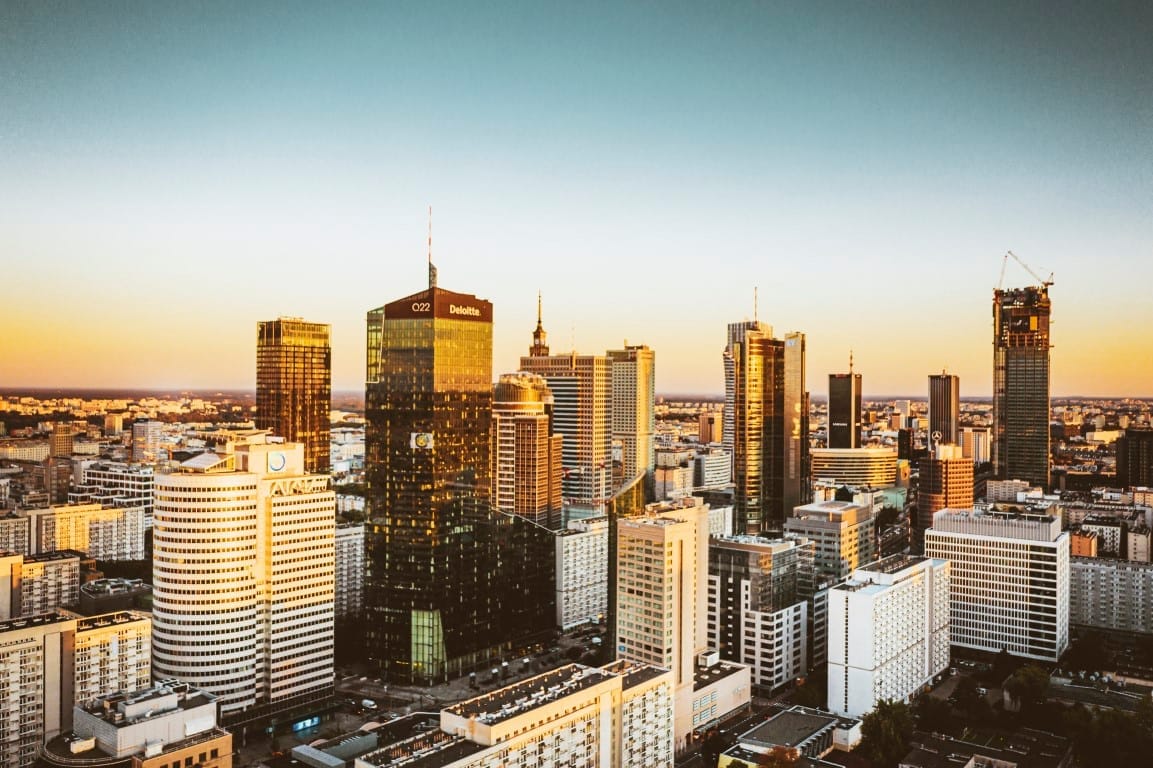
Q22 is completed in 2016, adding another modern presence to the skyline near Jana Pawła II and Grzybowska. Warsaw starts to look like a city that expects an international tempo - faster meetings, bigger ambitions, more global projects - while still keeping its own rhythm underneath.
The first car-sharing era arrives
Warsaw’s car-sharing story also begins in 2016. In September, 4Mobility launches the service, adding a new kind of freedom for drivers. Your phone becomes the key, and the city turns into a map of available cars. For many people, “having a car” only when you need it means more independence, more mobility - and everyday life that’s simply easier to organise.
Nocny Market: summer nights
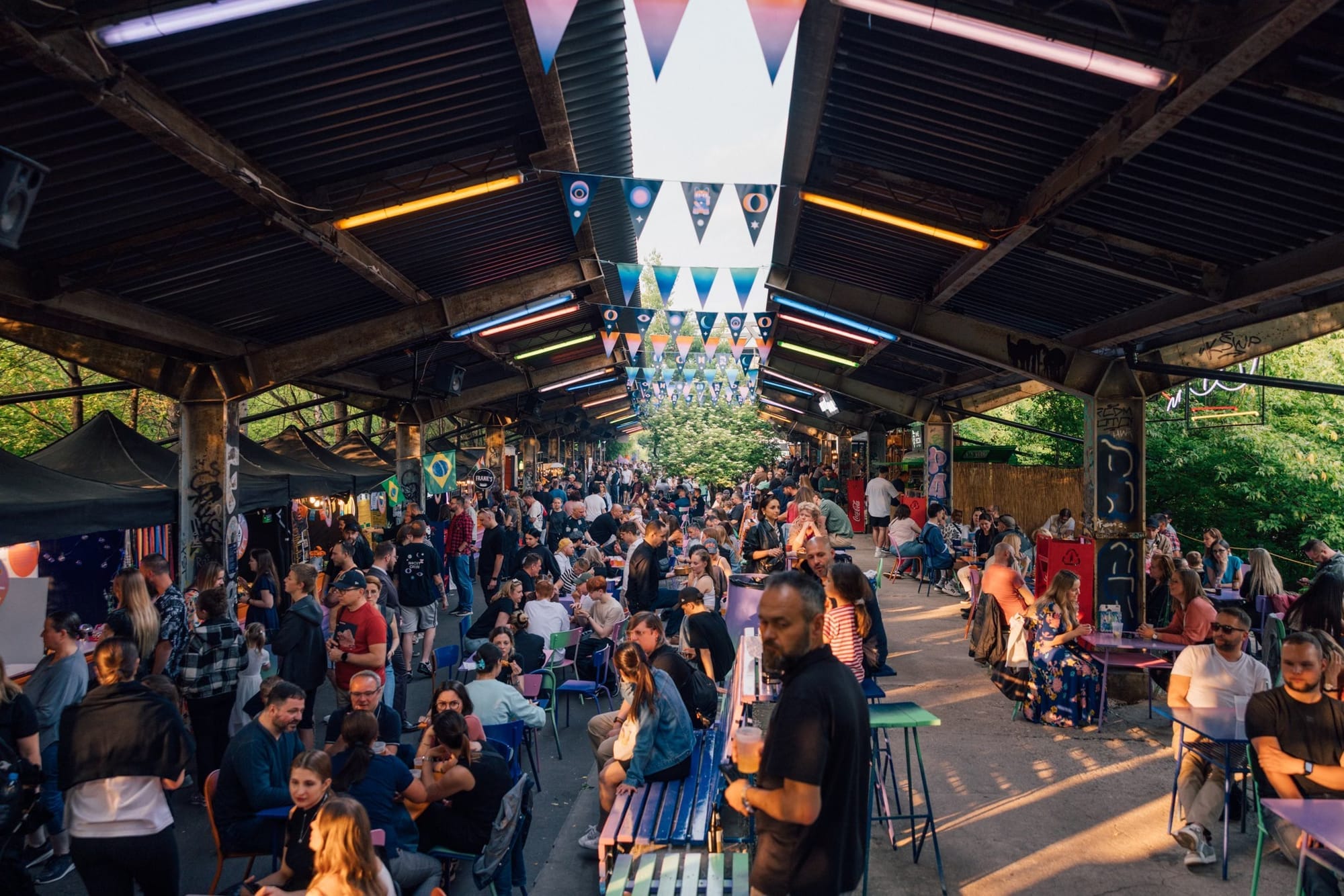
In June of the same year, Nocny Market launches on the platforms of the inactive Warszawa Główna station at Towarowa. Post-industrial backdrop, street food, weekend energy, a bit of aesthetic self-awareness - and crowds that make the city feel awake in a new way. It teaches Warsaw a new kind of summer: informal, open-air, and lively.