Collectible Design and the Return to Craft
How collectible design and Polish craft are reshaping Warsaw’s creative identity.
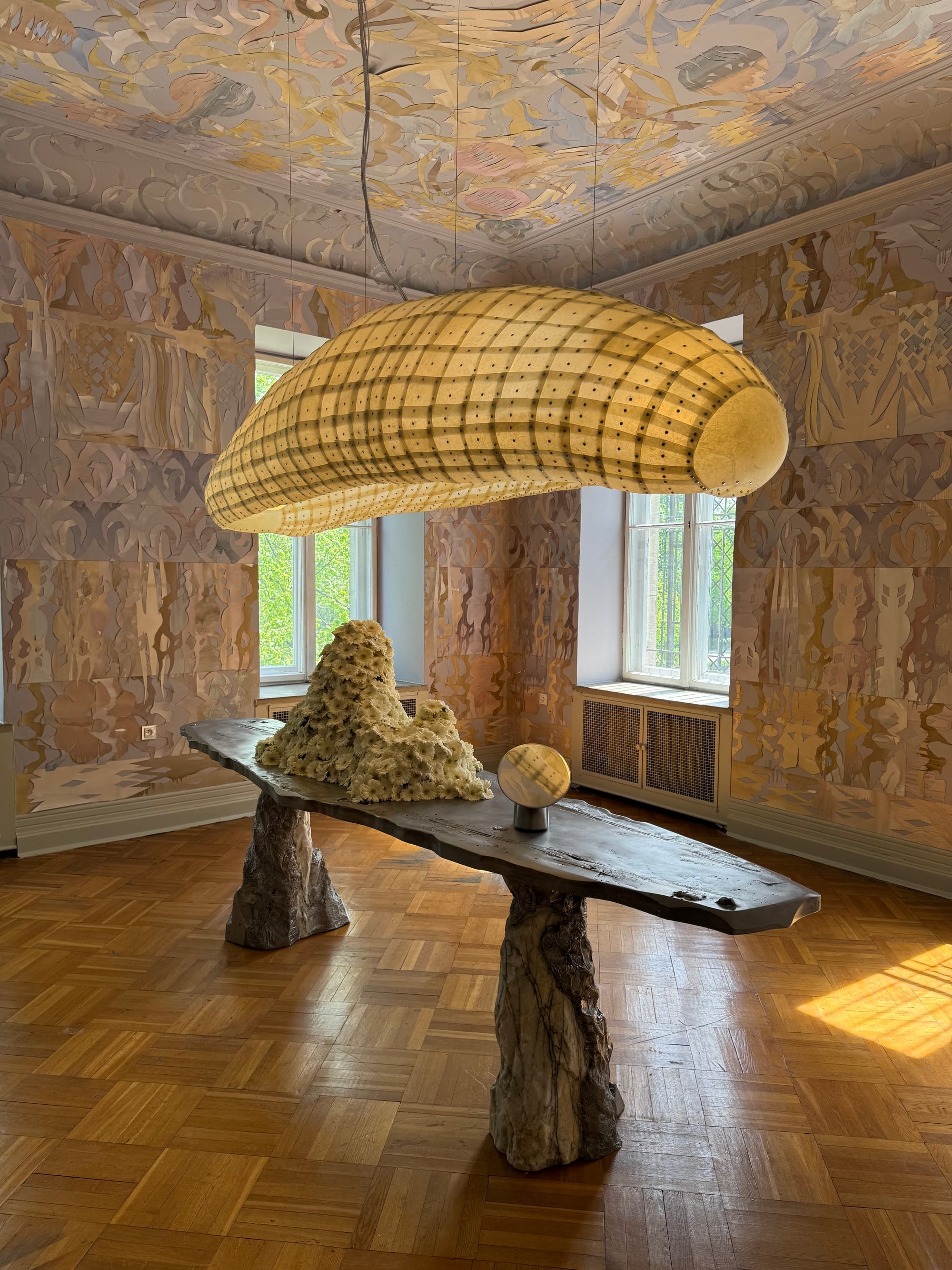
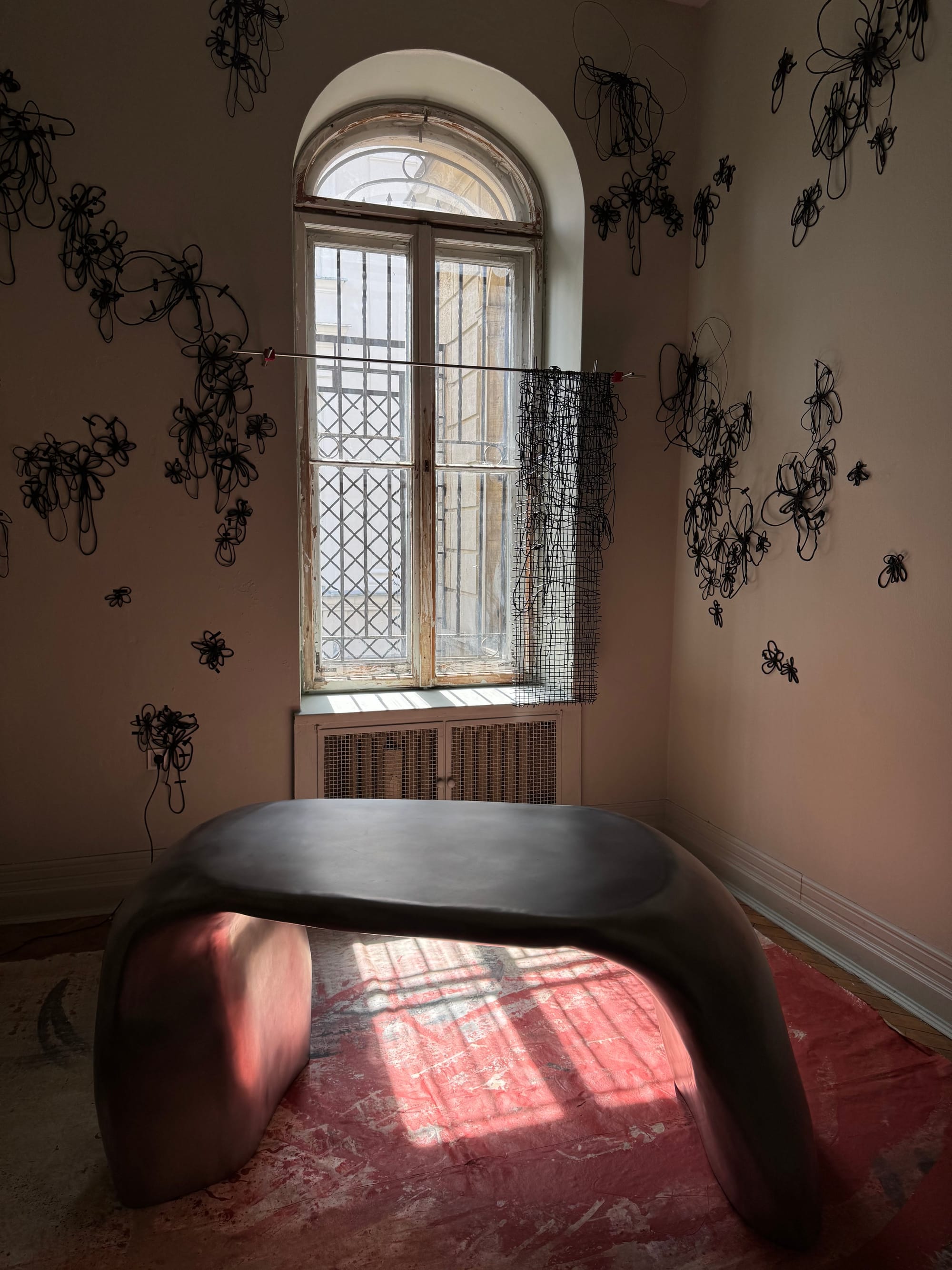
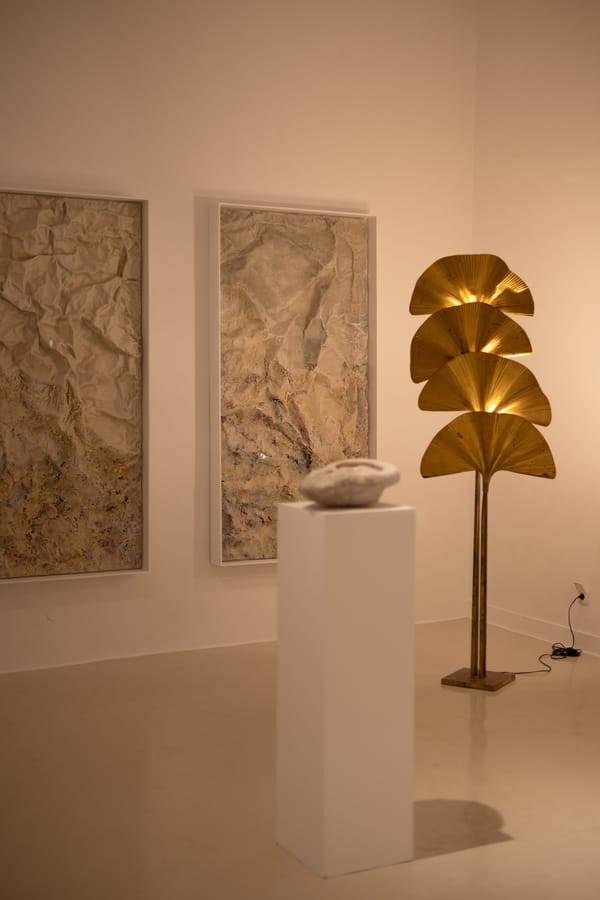
Romantic Brutalism exhibition, Visteria Foundation, 2025. Photo: Warsawslook
At a moment when mass production feels ubiquitous, something more intimate is drawing attention: the return to craft, to material, to objects that carry story and soul.
What is Collectible Design — and Why Now?
Collectible design sits somewhere between art and function. These are objects made in limited runs — or entirely unique — that carry intention, narrative, and presence. They can be used, but above all they invite you to pause, to look, to collect.
... craft acts as the bridge, reminding us that even the most ordinary object can hold beauty, and that even the rarest collectible is grounded in technique.
At the other end of the spectrum lies functional design (design użytkowy) — the everyday, reproducible, accessible objects we live with. In between is craft, where material and handwork give shape to things that may be functional yet feel singular, carrying the maker’s touch.
What’s important is that these are not competing fields. They speak to one another. Skills and ideas developed in collectible design often filter down into functional pieces; craft acts as the bridge, reminding us that even the most ordinary object can hold beauty, and that even the rarest collectible is grounded in technique. Together, they sketch a fuller picture of design today — not only as product, but as culture.
Warsaw is becoming part of this conversation. The city’s exhibitions show how these threads — functional, collectible, craft — can intertwine in a local context, while still echoing a global dialogue. Craft is experiencing a renaissance, as people look for tactility and authenticity in an age of overproduction.
Nature is a Temple — Zofia Sobolewska Ursic (WGW+)
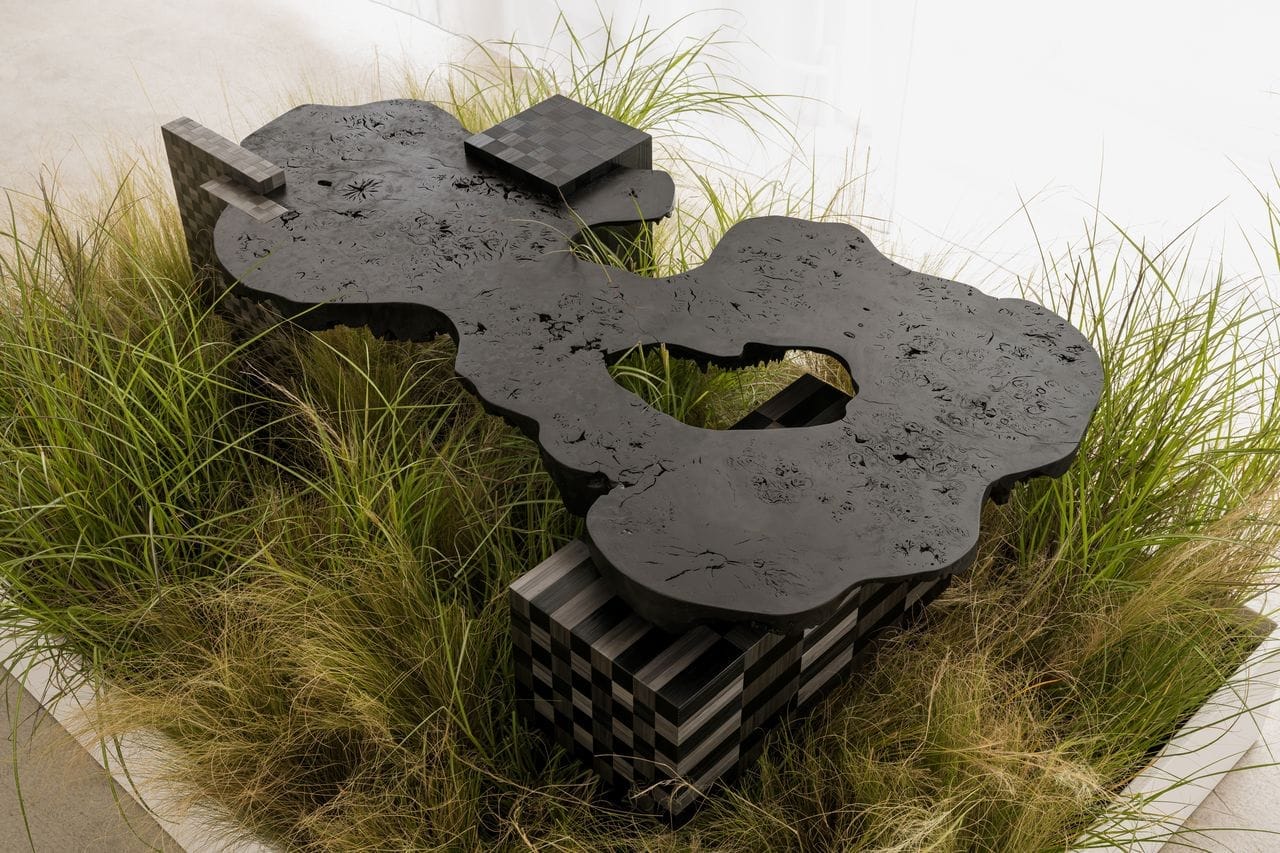
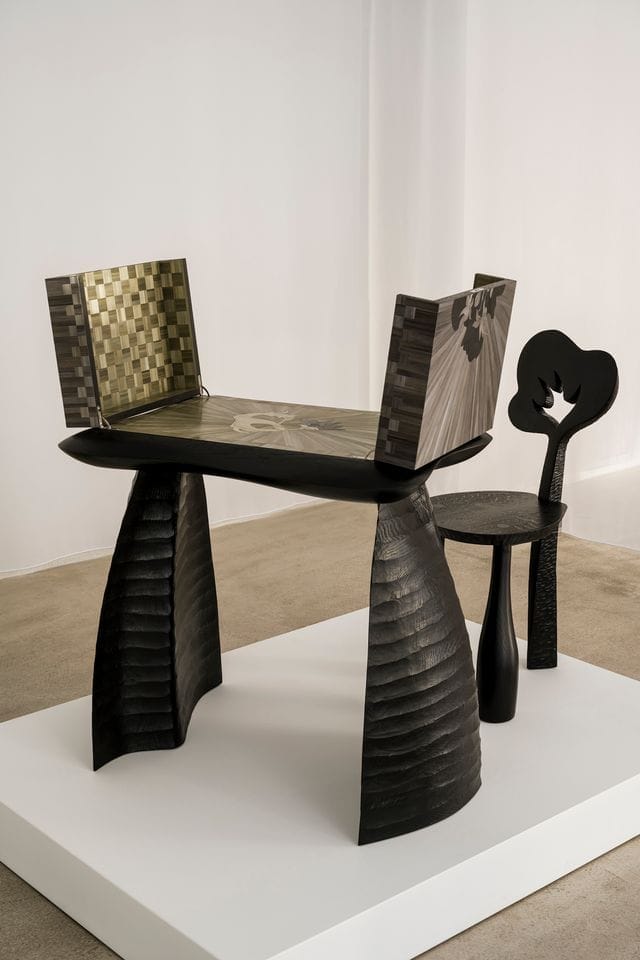
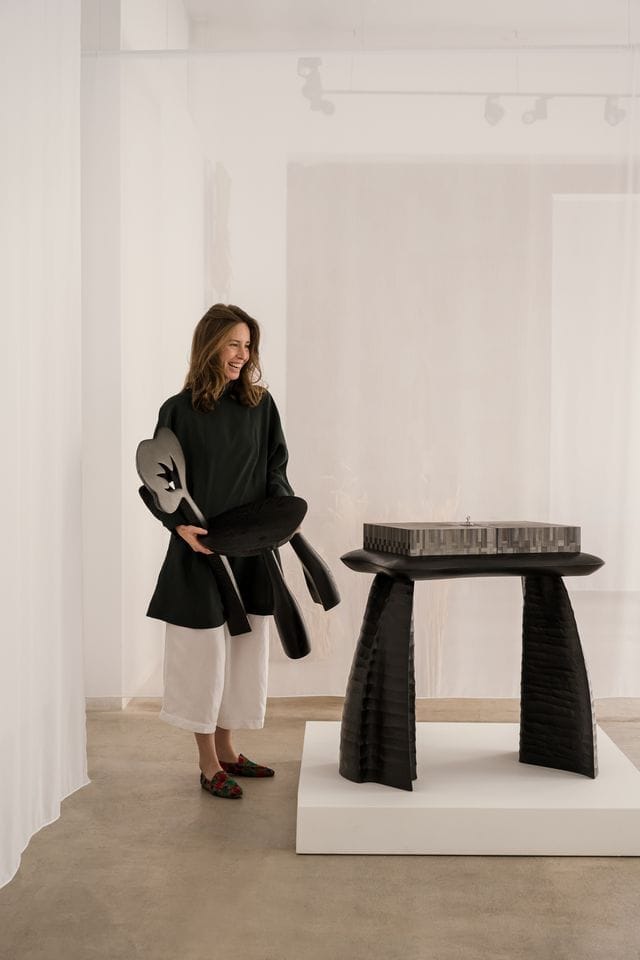
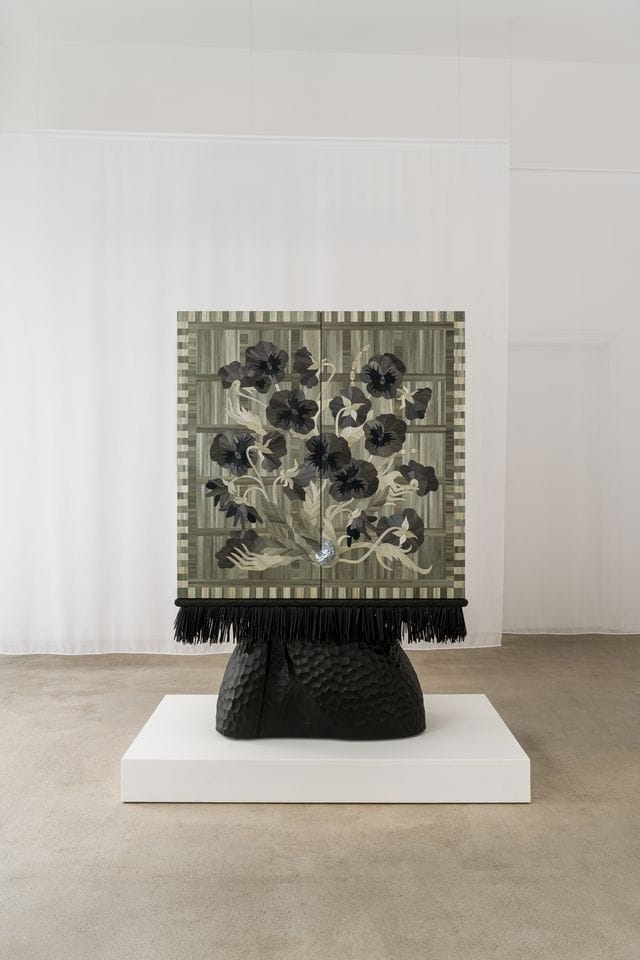
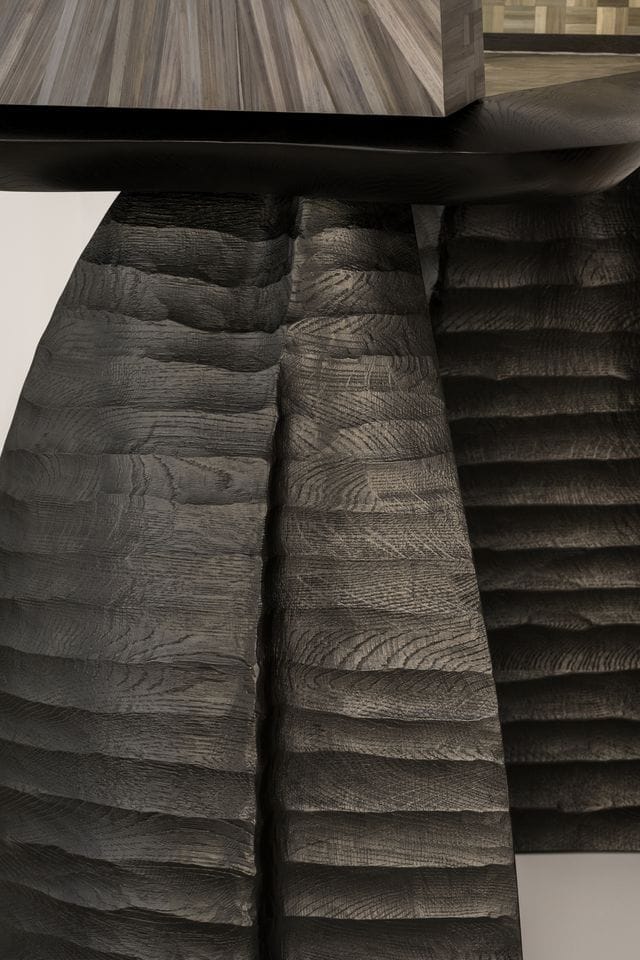
Nature is a Temple exhibition by Zofia Sobolewska Ursic, 2025. Photo: press material, Craftica Gallery / ONI Studio
One way to see this dialogue in action is through „Nature is a Temple”, the first solo exhibition by Zofia Sobolewska Ursic, presented as part of WGW+. Her medium is straw marquetry, a rare craft that she extends beyond flat ornament into three-dimensional, sculptural forms. Oak, straw, and metal are combined in objects that balance organic with geometric, raw with refined, tradition with modernity.
The exhibition feels like a poetic sanctuary — calm tones, carefully chosen scent, and sensorial surfaces. At the centre is a raw oak cabinet with luminous straw inlays, joined by a vanity, stool, box, and side table. Each object is usable, yet also collectible: unique in language, limited in number, quietly powerful, demonstrating how craft becomes contemporary language.
Beyond Object / Kooperacje
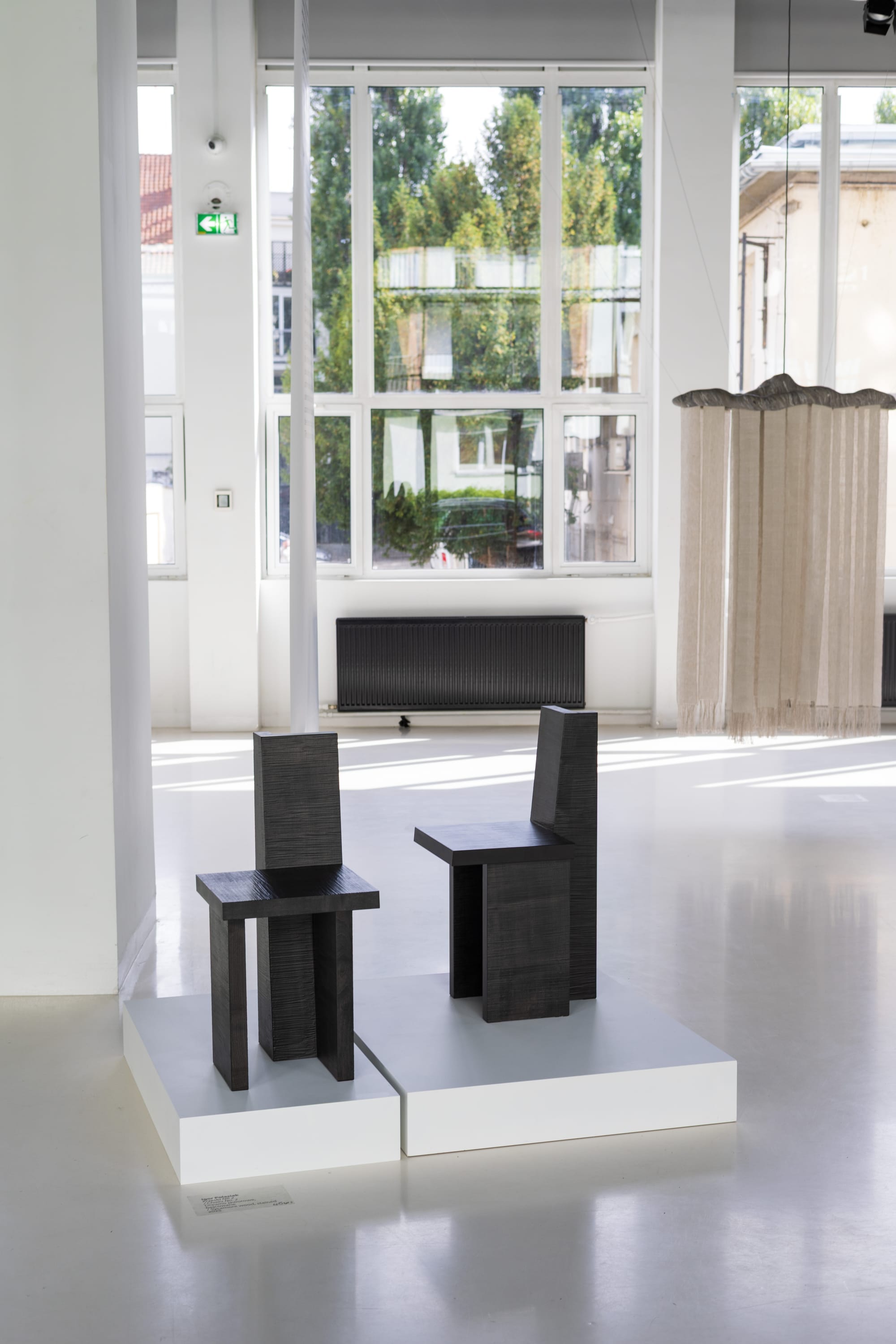
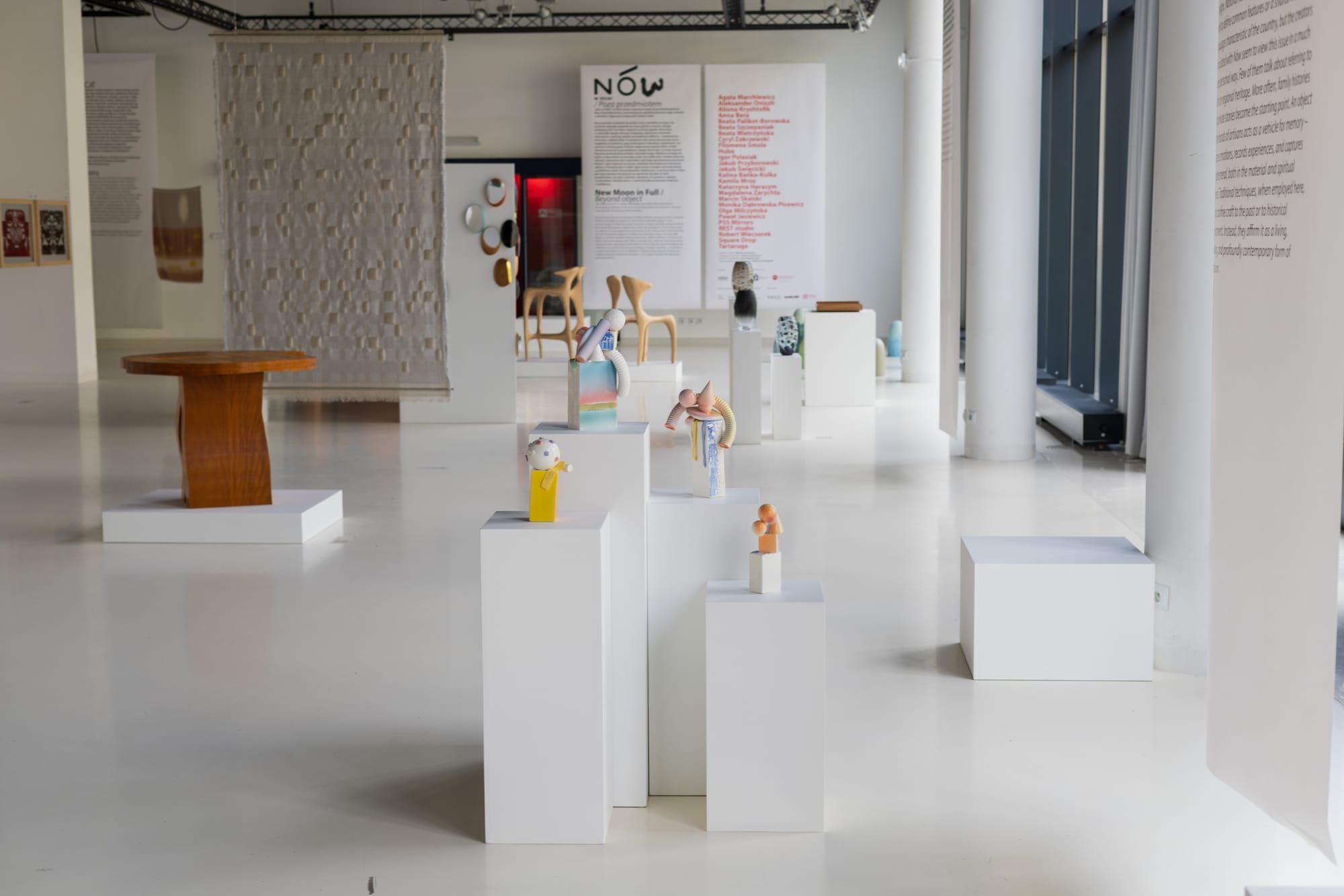
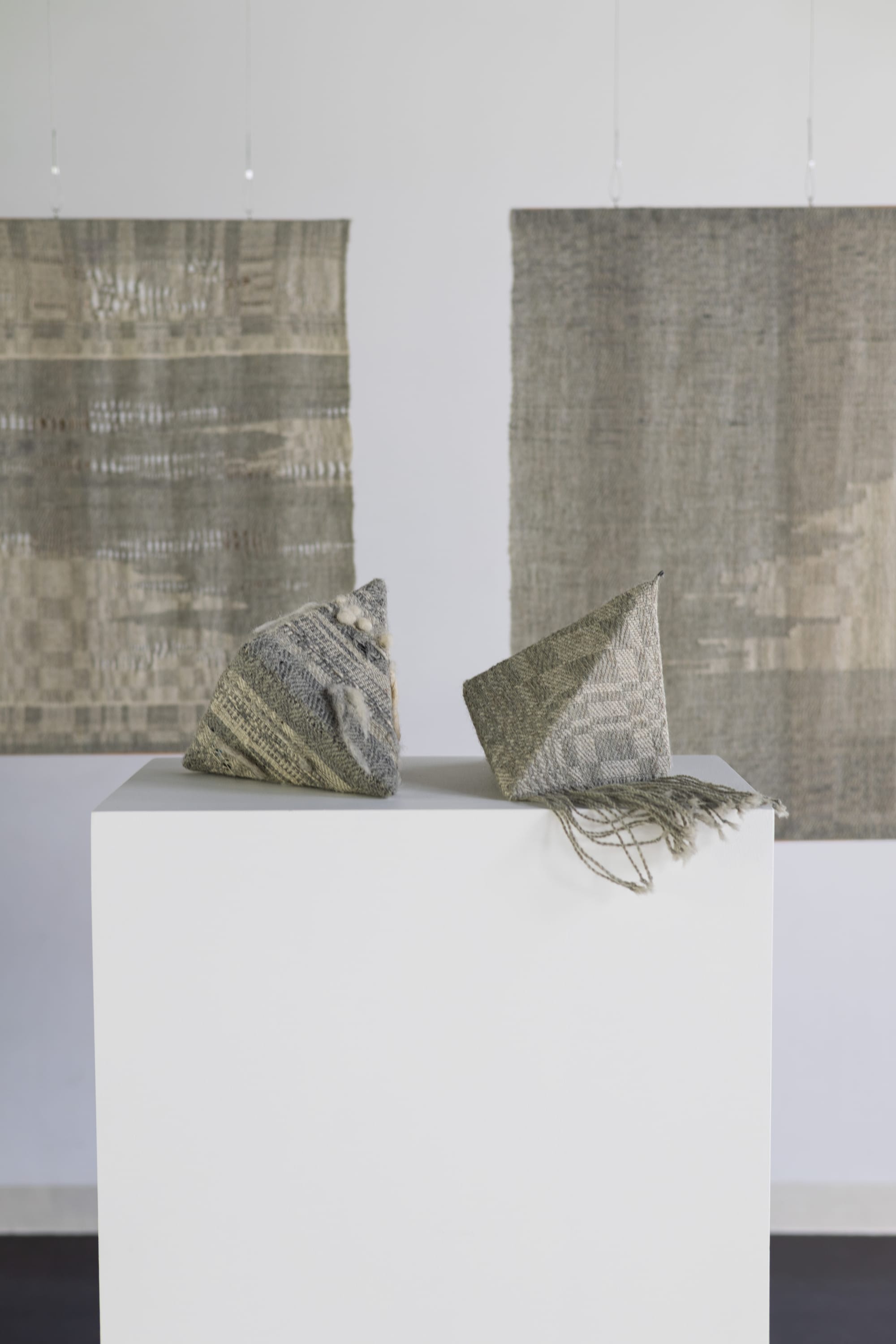
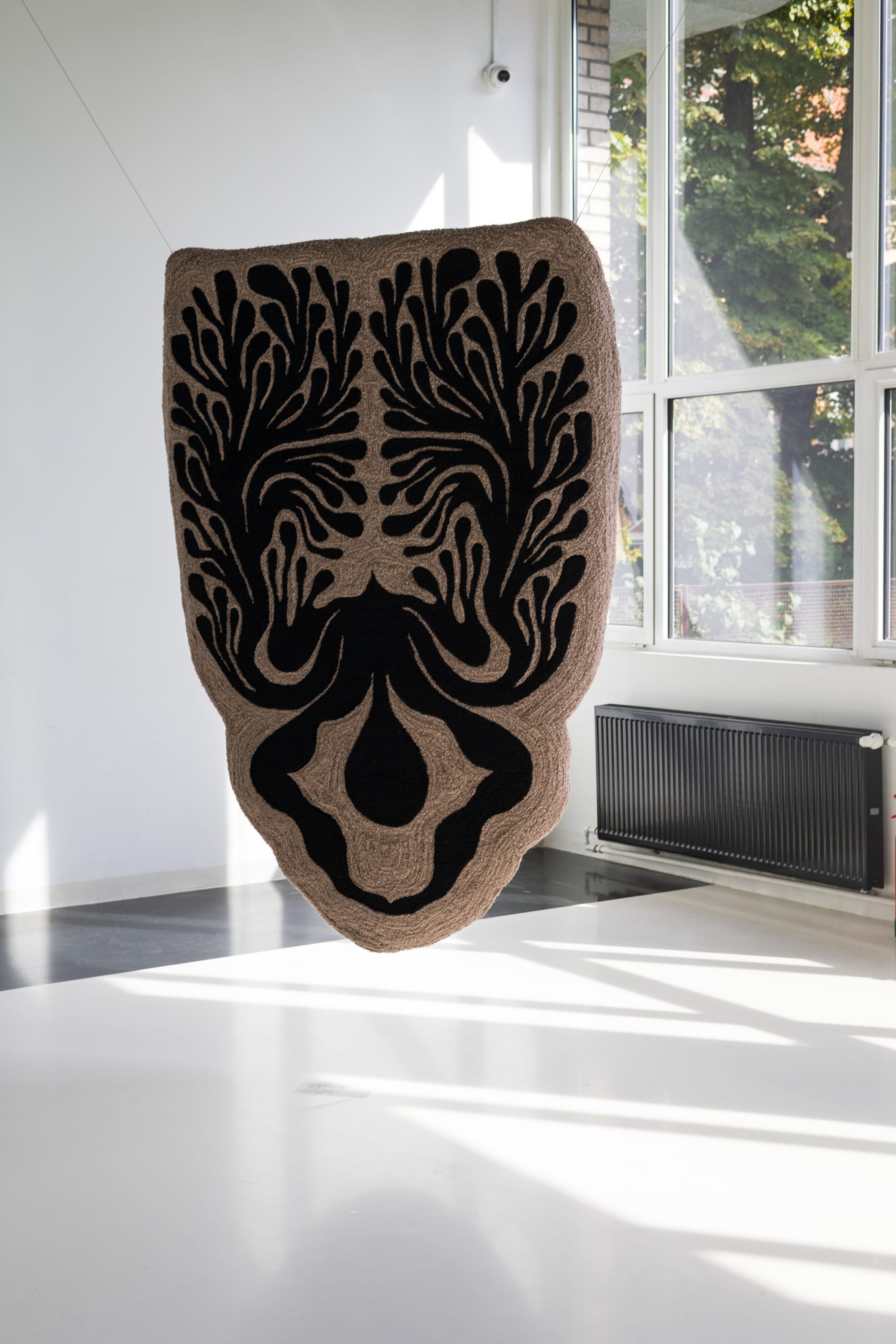
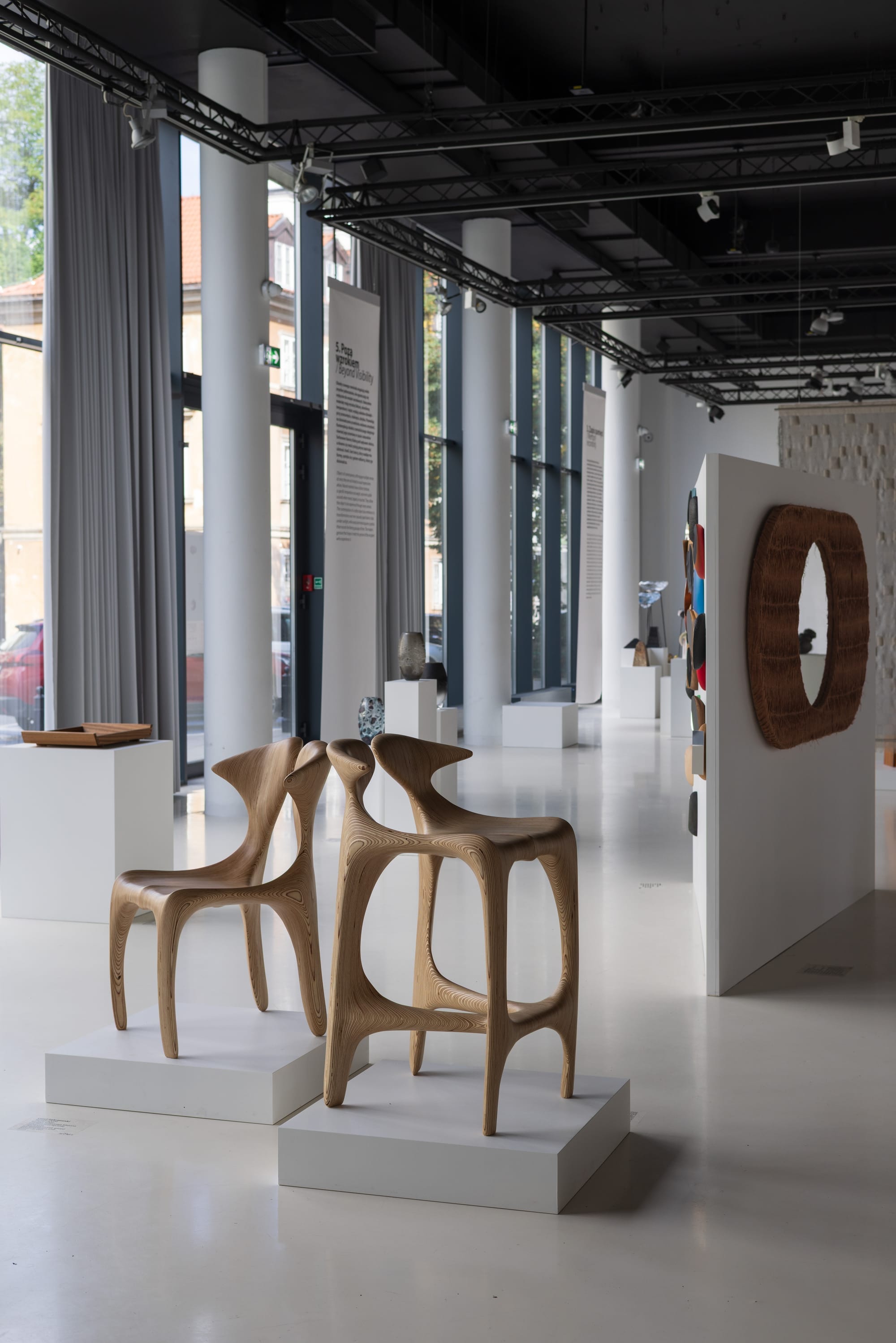
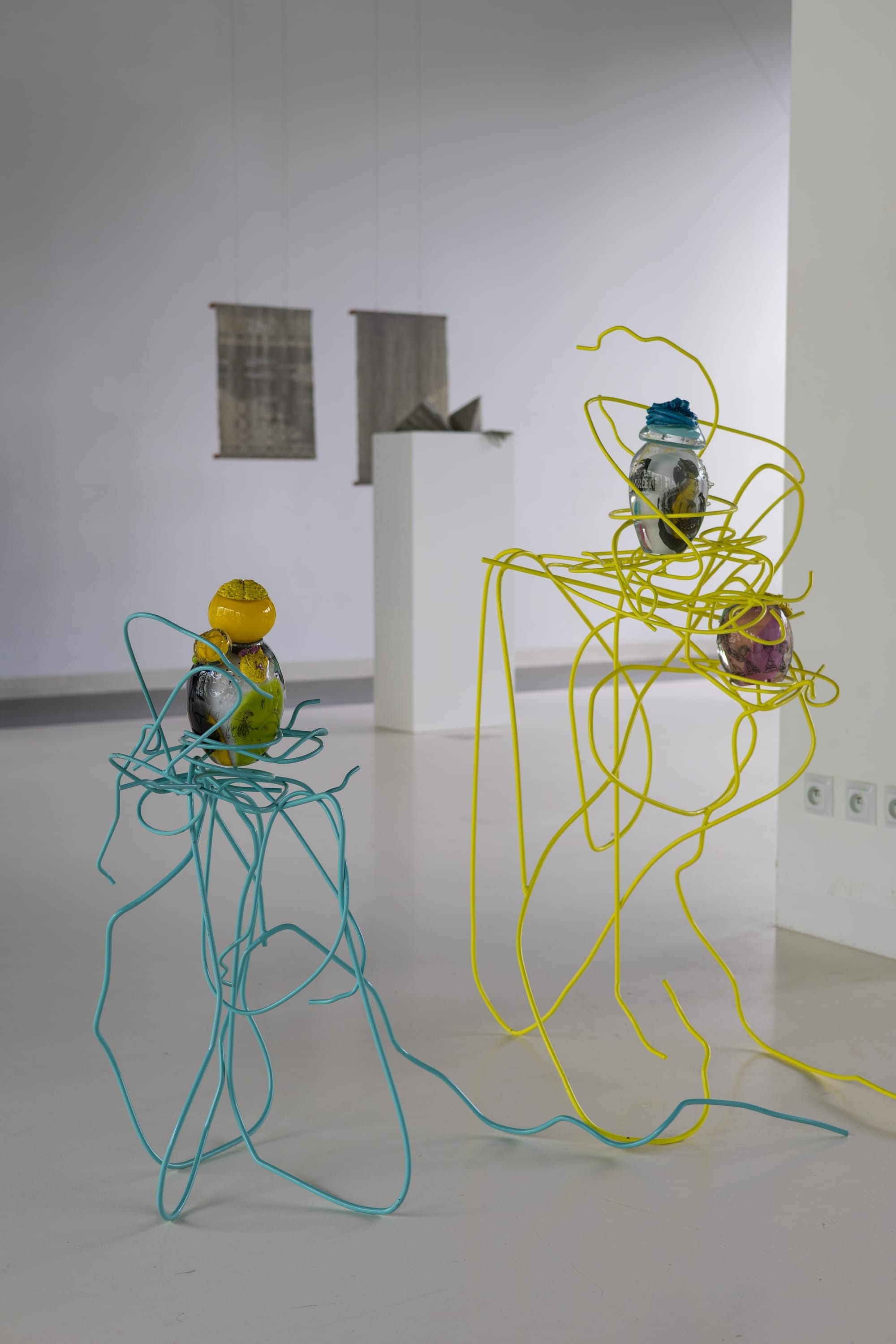
Beyond Object / Kooperacje exhibition, 2025. Photo: Warsawslook
If Sobolewska Ursic whispers, „Beyond Object / Kooperacje” speaks louder, in many voices at once. This group exhibition gathers 26 artists and designers working across ceramics, textiles, and mixed media. It presents Polish contemporary craft not just as finished objects, but as processes, stories, and courage.
Some works are bold experiments, others deeply personal gestures, but together they map the space between function and art. Here, craft becomes dialogue — between makers, materials, heritage, and modern design.
Hotel Warszawa Art Fair: Objekt
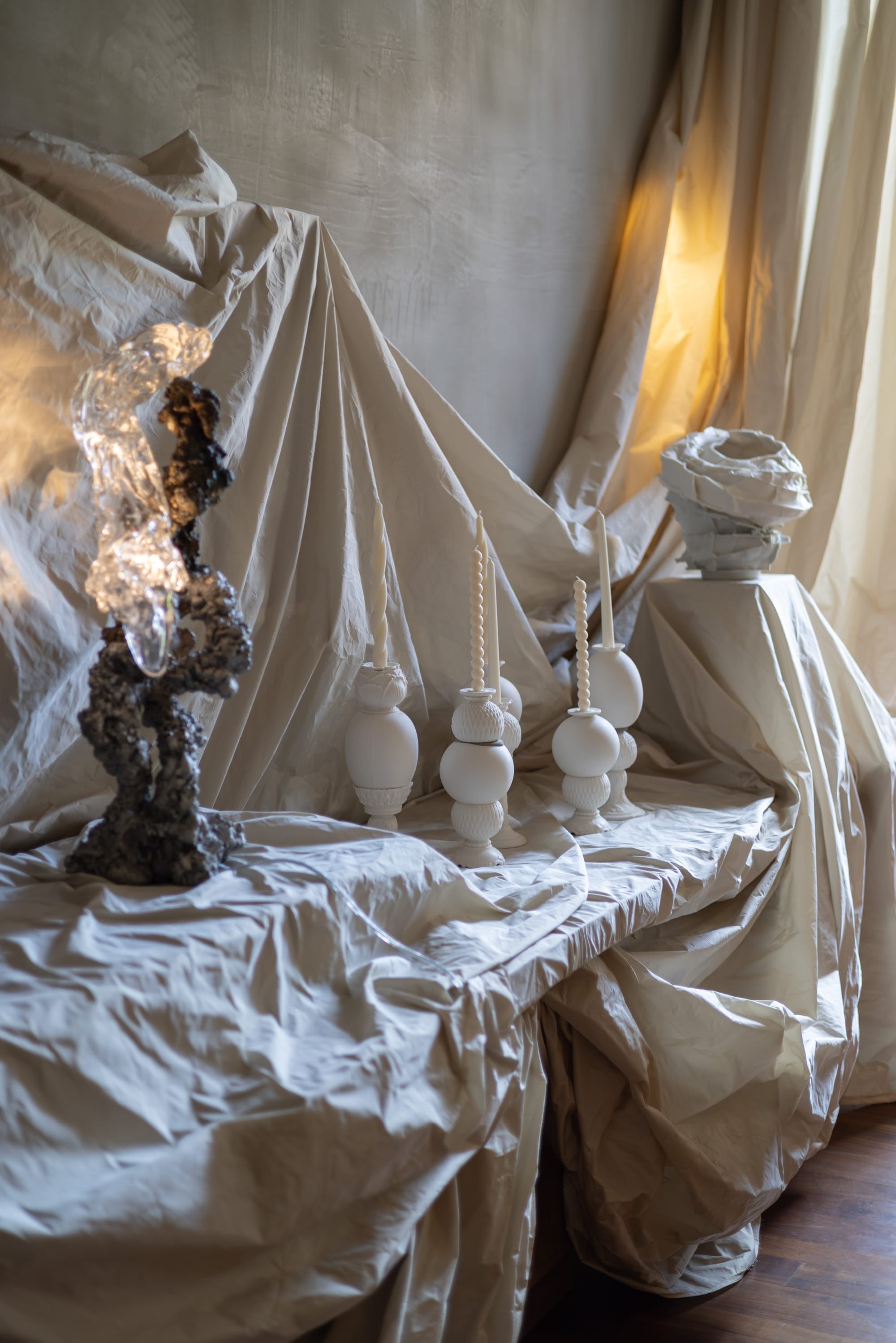
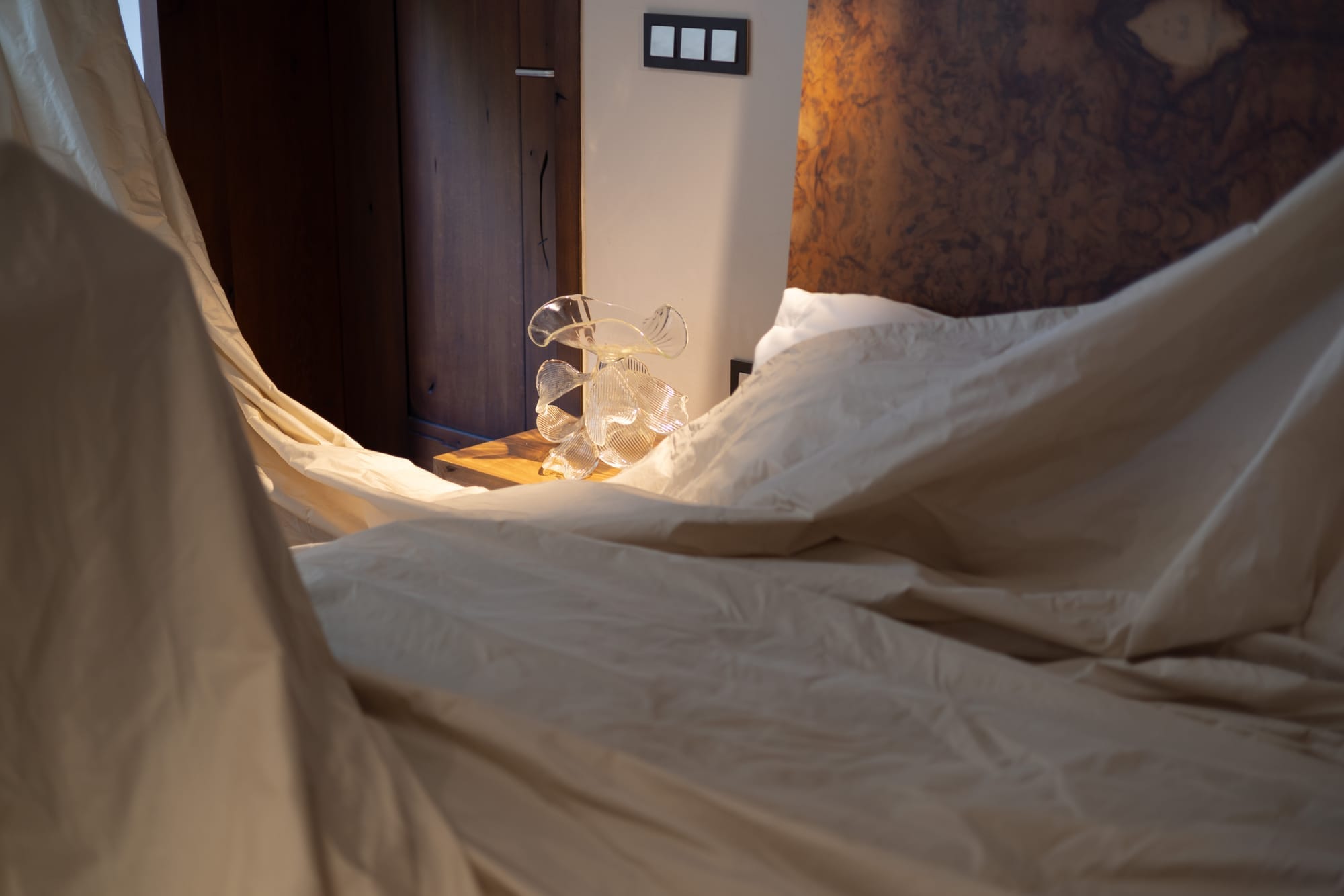
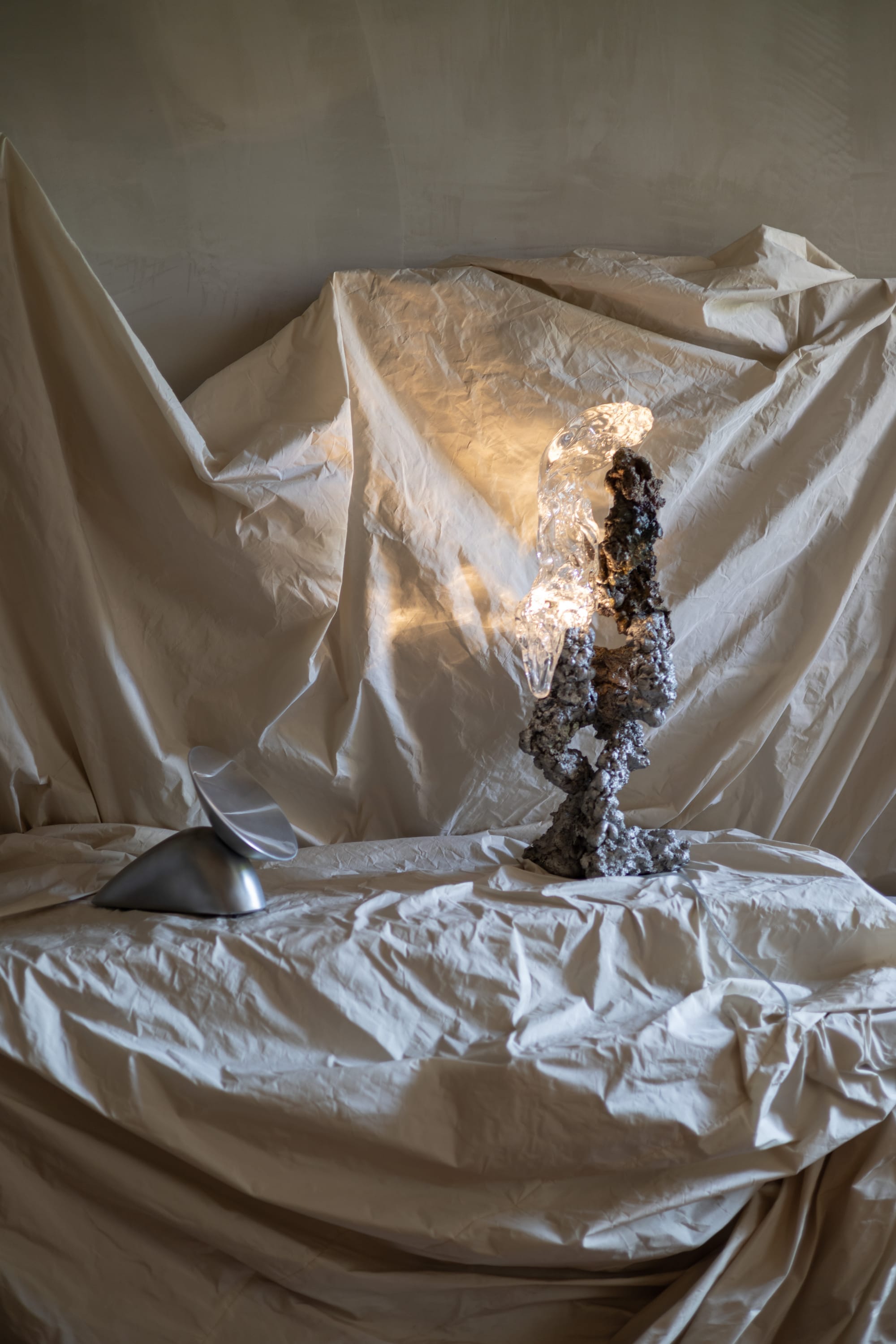
Objekt Gallery, Hotel Warszawa Art Fair 2025. Photo: Warsawslook
And then there is Objekt, which recently presented at the Hotel Warszawa Art Fair. In the fair’s setting — hotel rooms turned into art spaces — Objekt stood out as the only gallery dedicated to collectible design. By placing Polish design objects alongside contemporary art, it showed that Warsaw is ready to give collectible design a place on the same stage.
Collectible design, functional design, and craft are not separate islands — they form a spectrum.
Why It Matters

These tendencies and exhibitions show that Warsaw is catching up with global trends, adding its own voice, grounded in local roots and tradition. Collectible design, functional design, and craft are not separate islands — they form a spectrum. Craft bridges utility and art, grounding objects in material and handwork, while collectible design pushes them into the realm of culture.
For a city known for rapid development and new glass towers, this turn toward tactility and story brings balance against the noise of overproduction. And as a result, design in Warsaw is growing not just as objects to fill apartments or offices, but as part of the city’s identity and memory.