Dialog Restaurant at the Polish History Museum — Where Taste Meets History
Fine dining in Warsaw finds its voice at Dialog Restaurant — inside the Polish History Museum, where Polish heritage meets modern sensibility. A place that connects history with the present through cuisine, design, and tradition.
A place that embraced and impressed me with its story and the feeling that begins the moment you step inside.
The story unfolds in a remarkable setting: the Polish History Museum, nestled within the historic Warsaw Citadel — a 19th-century fortress once marked by resistance and remembrance, now reborn as a space for culture and reflection.
Surrounded by the Vistula River on one side and green Żoliborz on the other, the setting feels quietly powerful — a restaurant built on grounds that have witnessed Poland’s history, now inviting us to gather again, this time around the table.
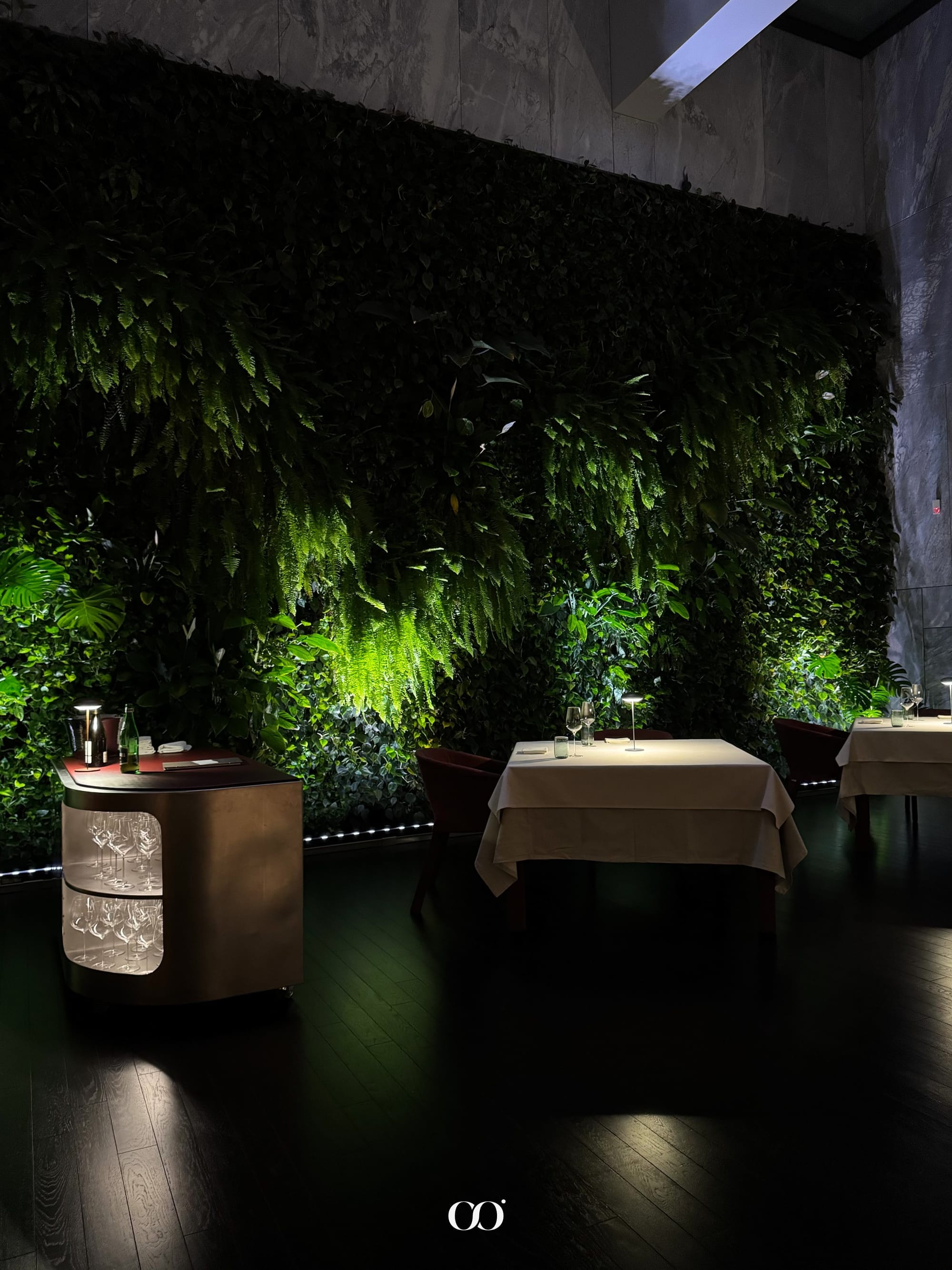
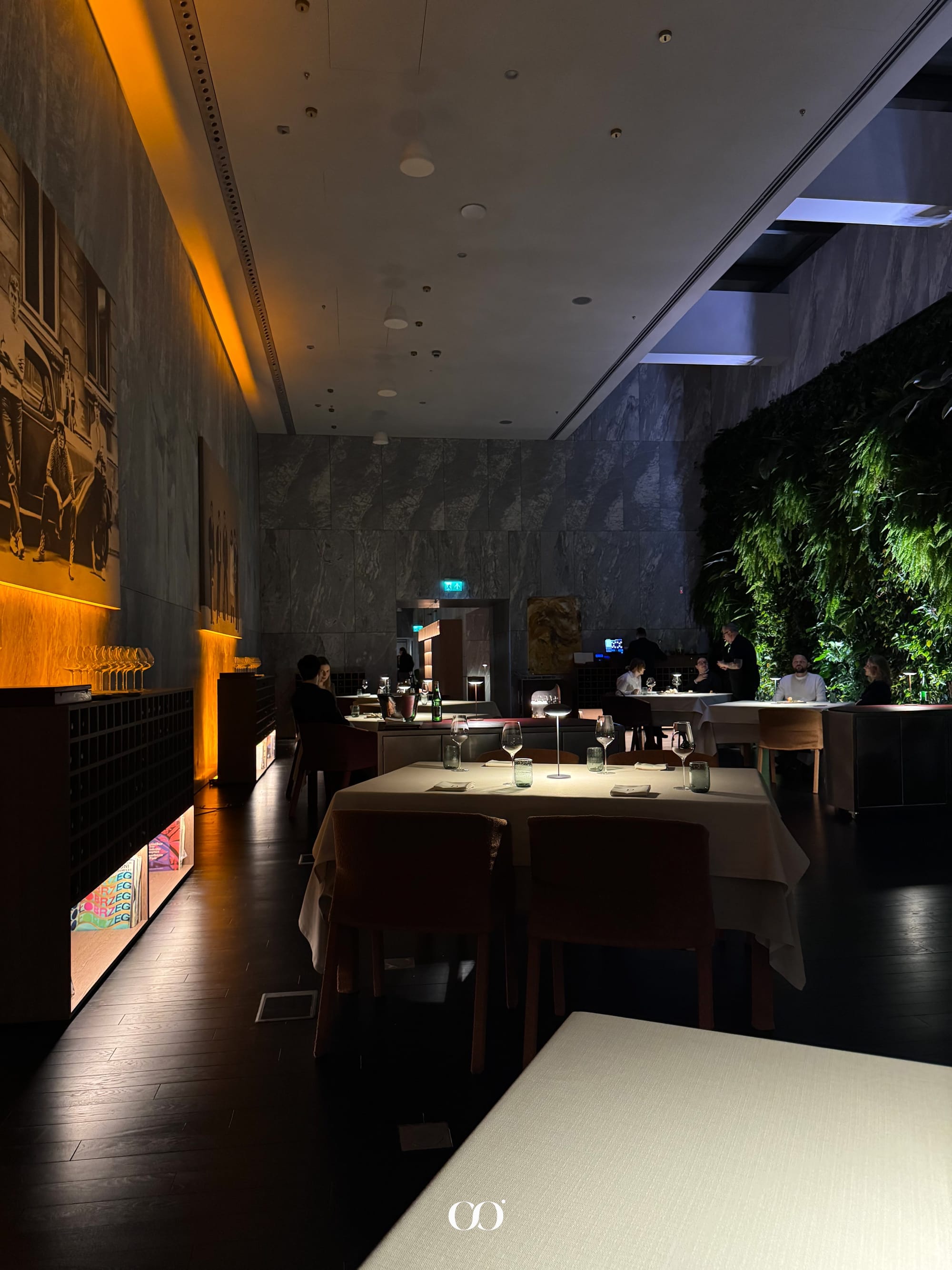
I love how Dialog’s interior tells a story, bridging nostalgia with modernity. Stone tables, vintage armchairs, and contemporary Polish art live harmoniously within walls of soft, layered stone.
A contemporary dialogue with Polish heritage
Dialog, a recently opened restaurant celebrating Polish cuisine, is more than a place to dine — it’s a concept where the past meets the present.
Created by Full House Group, its idea of honest dining is rooted in authenticity: ingredients from small local farms, dishes inspired by Polish classics yet refined through modern techniques, and service that feels both elegant and heartfelt.
Located on the third floor of the museum, the space captivated me at first sight. It’s spacious and filled with warm light — soaring ceilings, a living green wall with its own water system, and even a section of glass ceiling. Above the restaurant lies the museum’s panoramic terrace, and if you stand there looking down, you’ll see this green oasis through the glass roof.

... rare for a fine-dining restaurant to have a pre-area so homely and calm, like a refined hotel lobby where you can pause for a soulful moment rather than commit to a long dinner.
Two spaces, one experience
Stepping inside, I could sense that every detail here was created with care. Dialog unfolds in two chapters — each telling a slightly different story, yet perfectly completing the other.
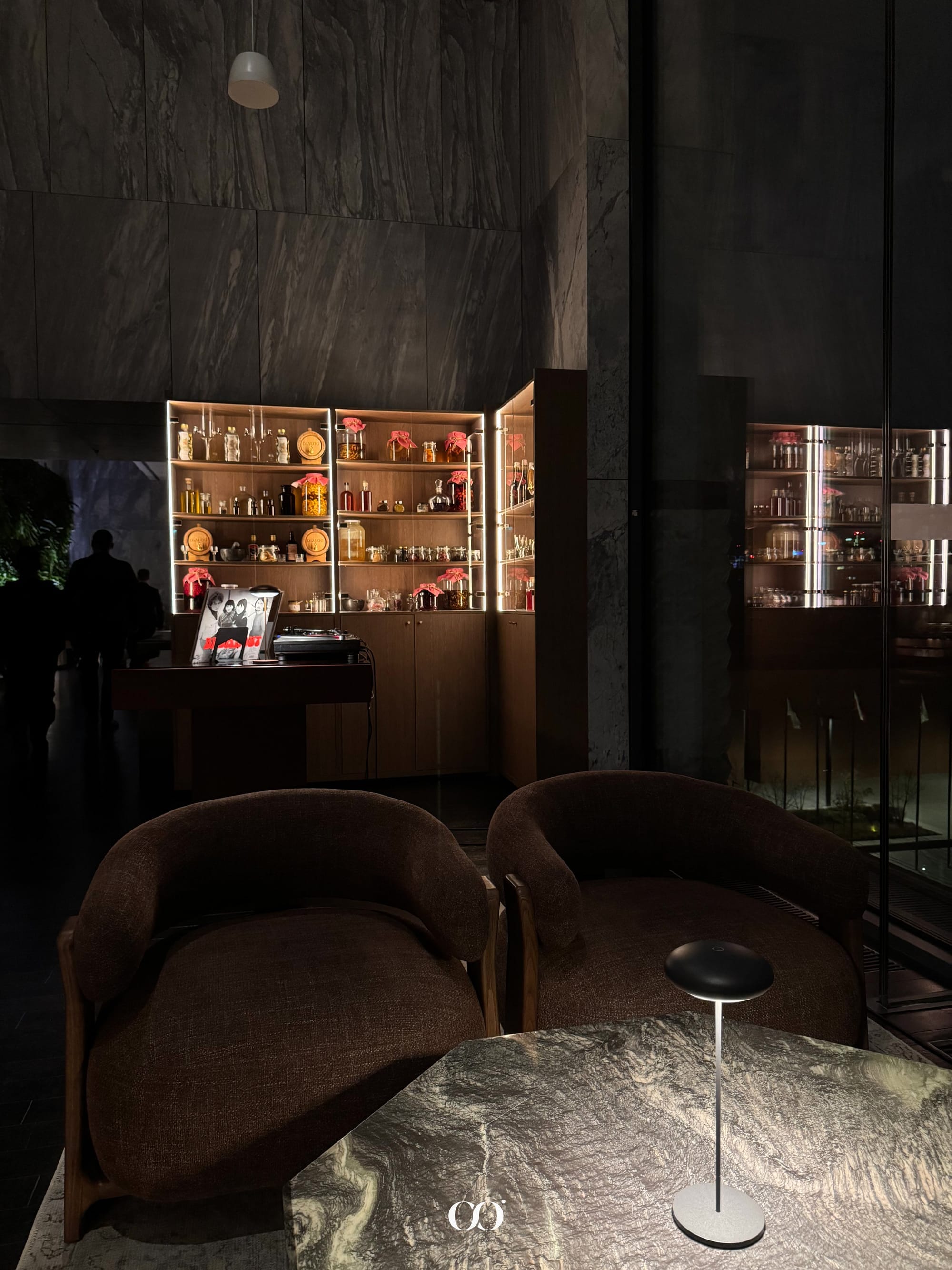
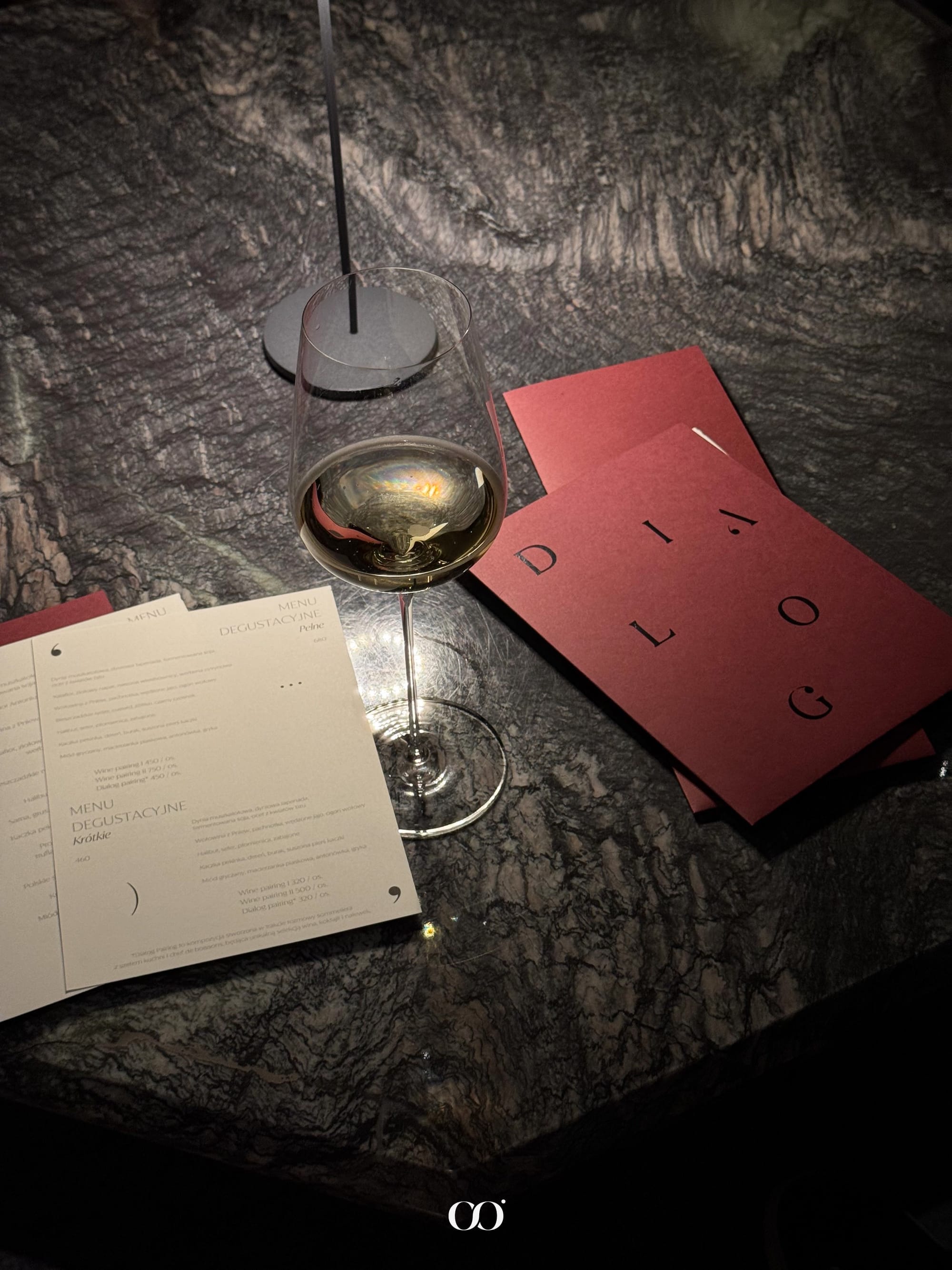
Dialog Restaurant at the Polish History Museum and its lounge zone. Photo: Warsawslook
The first, the lounge zone, is where every visit begins — and I must admit, I’m in love with this part. It’s less formal, ideal for a casual meeting or a quiet evening drink. There’s a selection of snacks, signature cocktails, and house-made liqueurs (nalewki — a traditional Polish spirit, around 40–45%) inspired by local traditions.
What struck me most was not only its informality but its atmosphere — rare for a fine-dining restaurant to have a pre-area so homely and calm, like a refined hotel lobby where you can pause for a soulful moment rather than commit to a long dinner.
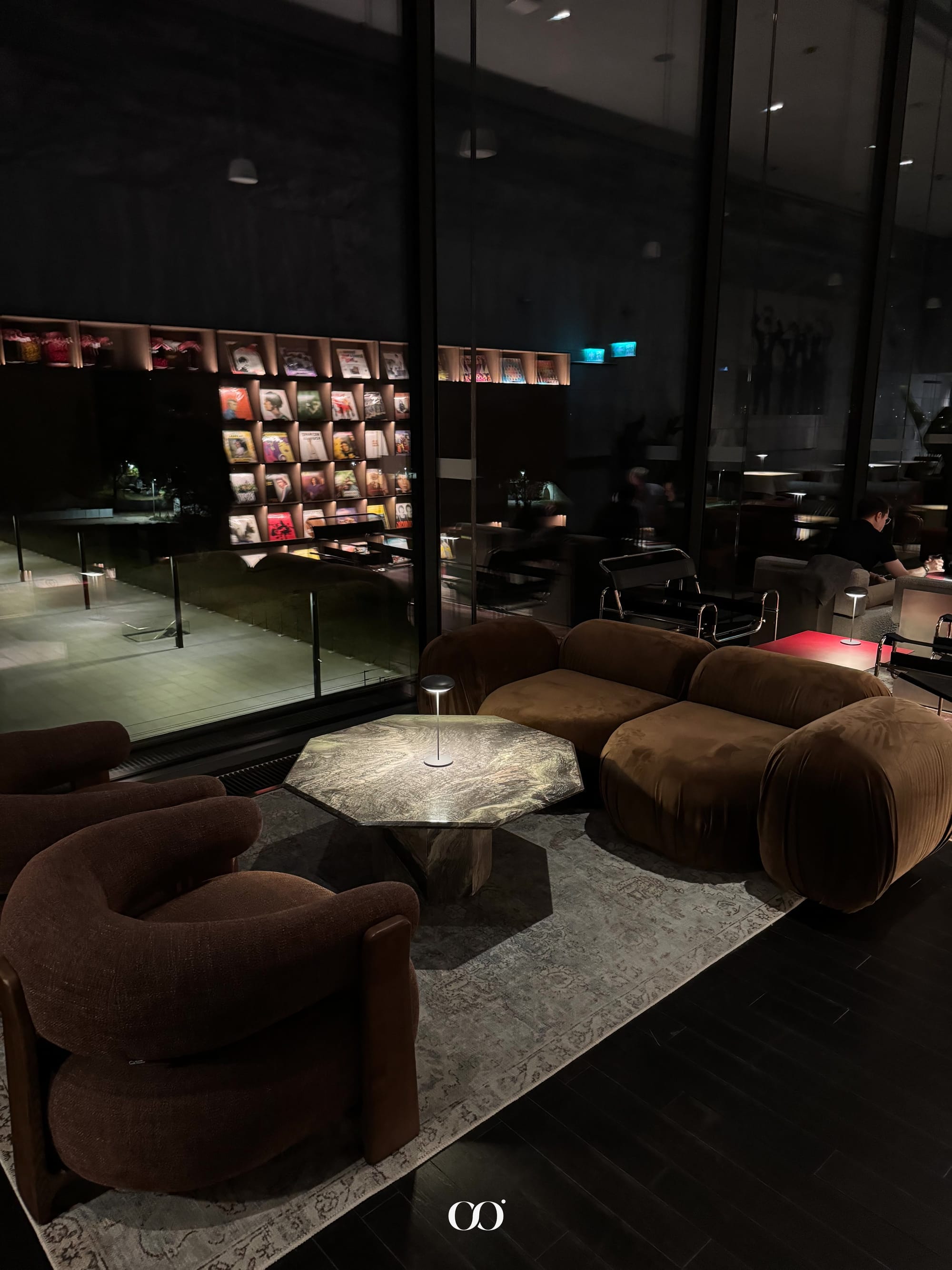
And probably the most charming detail — a wall lined with homemade preserves, and a vinyl record spinning Polish big-beat sounds, all set against the view of Gwardii Square. It’s warm, nostalgic, and modern at once. This is also where you’re invited to breathe before continuing into the heart of the restaurant — the dining room.
For me, fine dining is about curiosity — how a chef can play with flavor, texture, and memory. Not every dish has to become your favorite, but the joy lies in discovery...
A dialogue on the plate
In the main dining room, the experience becomes deeper — a full conversation through taste.
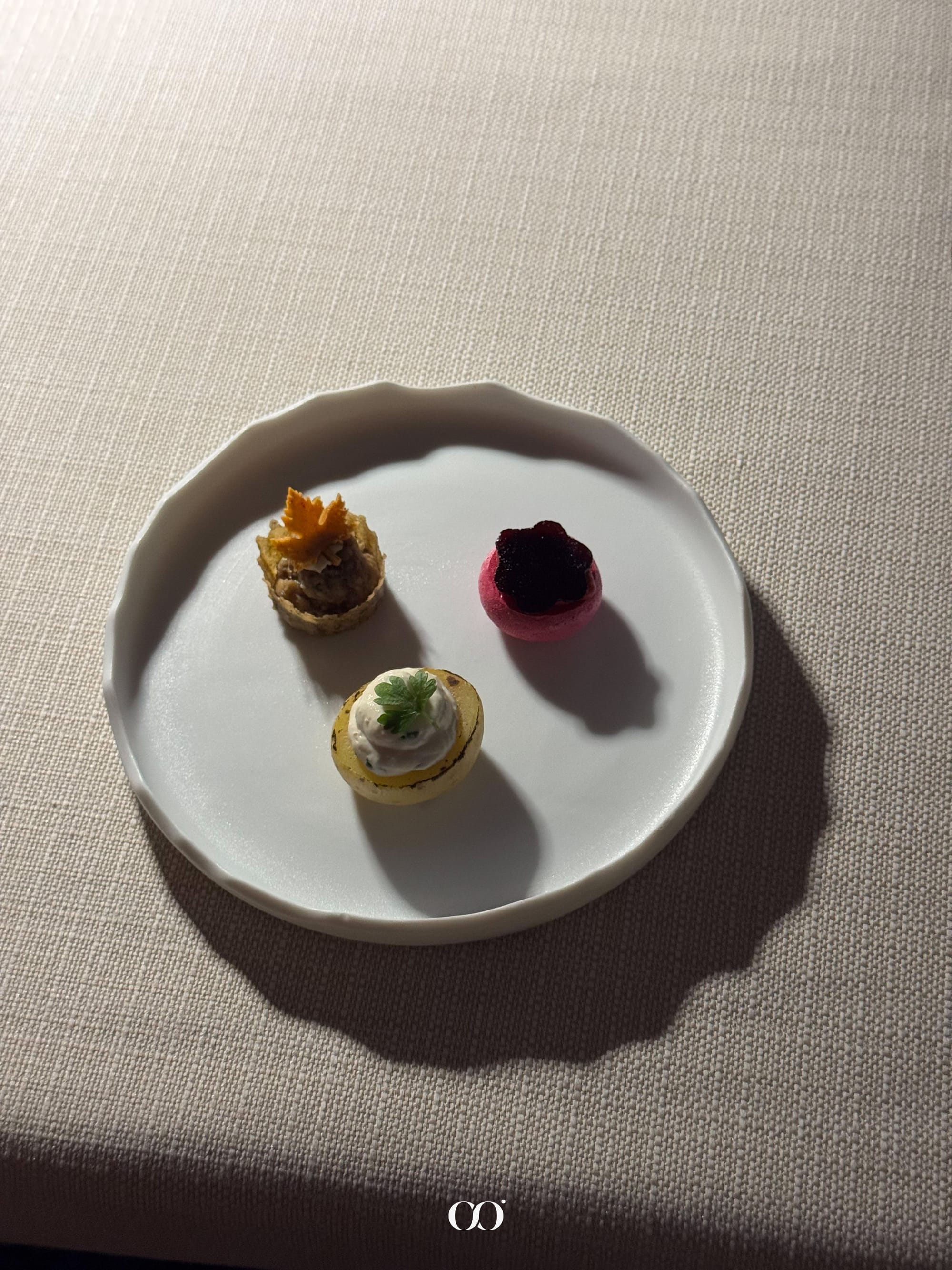
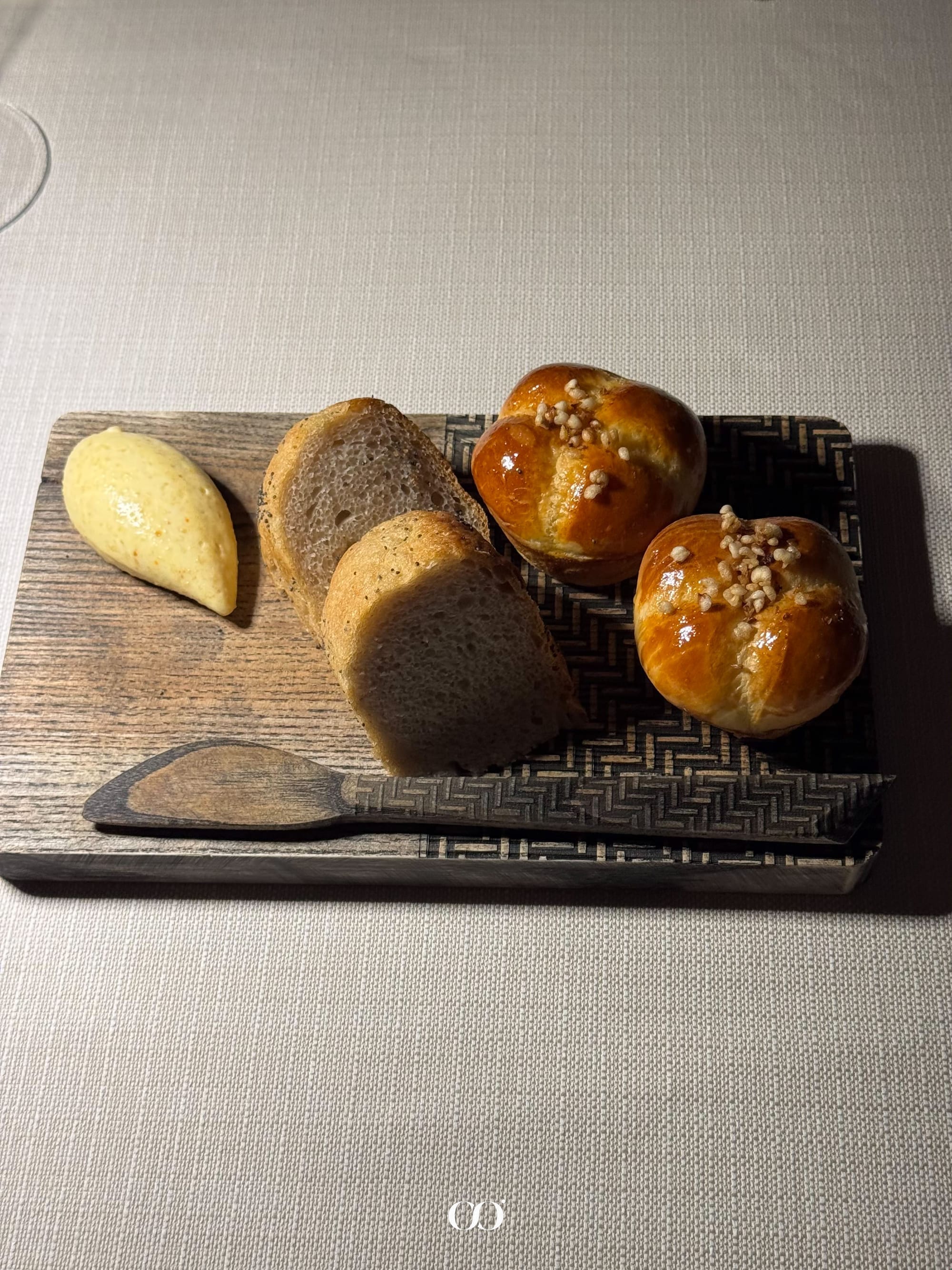
Amuse-bouche and freshly baked bread at Dialog Restaurant. Photo: Warsawslook
Created by Chef Maciej Majewski, the menu offers à la carte and tasting options (available in both vegetarian and classic versions, in short and full formats). Prices start at 320 PLN for a three-course à la carte menu, 460 PLN for the short tasting, and 680 PLN for the full experience, with wine pairing available.
Before dinner begins, guests are welcomed with an amuse-bouche — delicate bites and warm bread that set the tone for what’s to come.
For me, fine dining is about curiosity — how a chef can play with flavor, texture, and memory. Not every dish has to become your favorite, but the joy lies in discovery — in tasting something unexpected and realizing how beautifully it works.
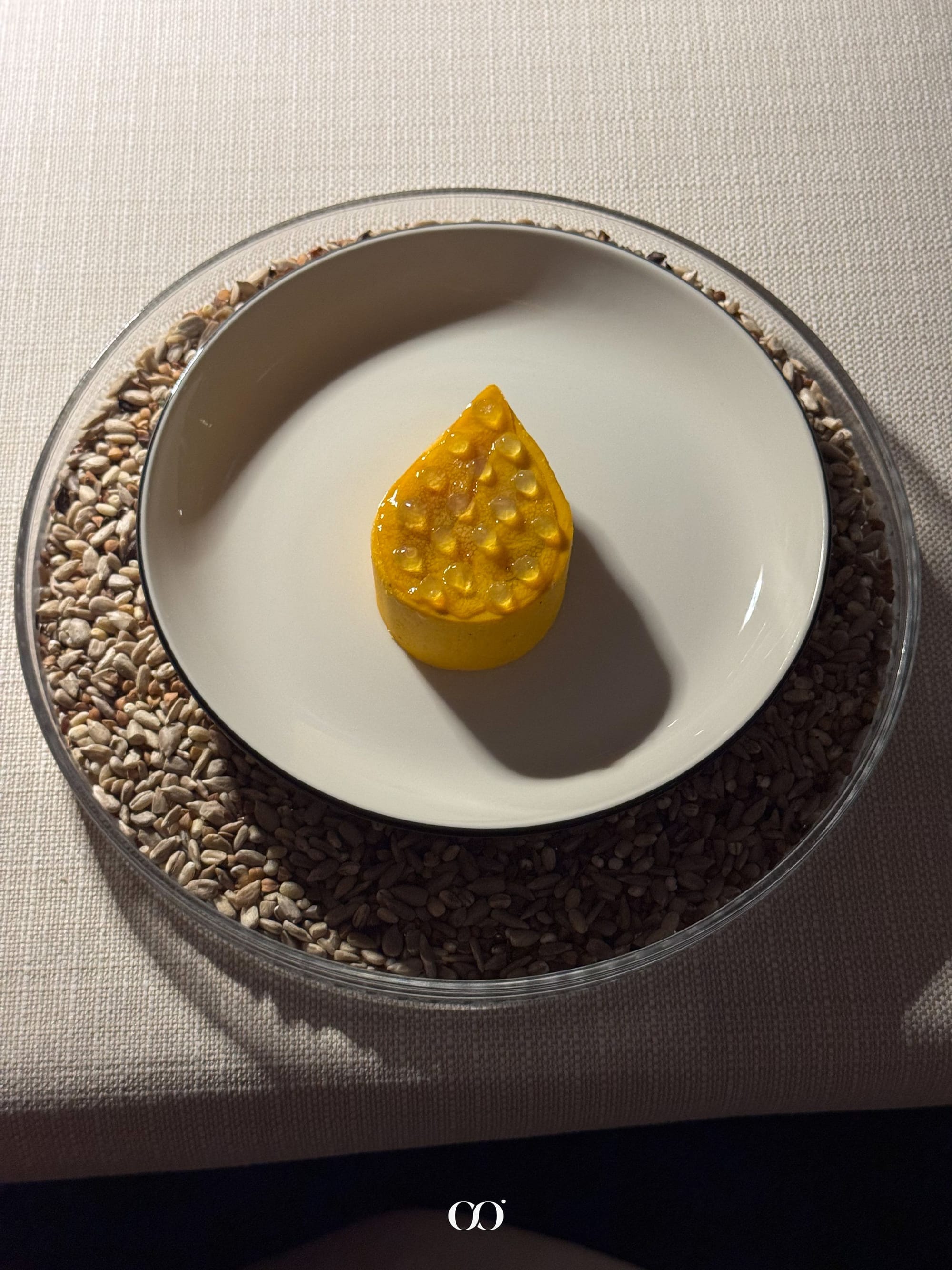


From the left: muscat pumpkin, pumpkin seeds tapenade, fermented soy, elderflower vinegar; beef from Pniewy region, perilla, smoked egg, oxtail; halibut, celeriak, enoki mushroom, sabayon at Dialog Restaurant. Photo: Warsawslook
While not every course struck me equally in flavor, presentation and service were consistently beautiful. A few moments, however, remain vivid: the beef from Pniewy, paired with smoked egg and perilla, and the halibut with celeriac, enoki mushrooms, and sabayon — probably one of the best I’ve had. Delicate, subtle, yet full of personality. I couldn’t stop enjoying it.
And throughout, the sound of vinyl — Polish classics playing softly — created a gentle harmony between taste and sound.
It’s a sensory journey — sight, sound, scent, and taste interwoven — but above all, it’s about the feeling that remains when you leave.

Service, atmosphere, and the art of details
What makes Dialog stand out is also its attention to detail that completes the experience.
The service was excellent — professional yet warm — and I truly felt hosted, not simply served.
Small, thoughtful gestures reveal how much care went into this place: branded napkins, thin-stemmed glassware, wooden serving elements crafted by local artisans, and both the uniforms and the hand care line in the restrooms — all created by Polish brands. And of course, the option of non-alcoholic pairings, or even choosing the vinyl you’d like to hear.

At the end of the evening, guests are offered a traditional house-made liqueur (nalewka), as well as non-alcoholic versions. The apple one — non-alcoholic and deeply aromatic — completely won my heart. It’s a beautiful closing ritual of Polish hospitality. My advice: don’t skip it.
A space that reflects Polish identity
I love how Dialog’s interior tells a story, bridging nostalgia with modernity. Stone tables, vintage armchairs, and contemporary Polish art live harmoniously within walls of soft, layered stone.

The museum’s façade itself symbolizes Polish history — each slab unique, like a fragment of time — and this dialogue continues within the restaurant.
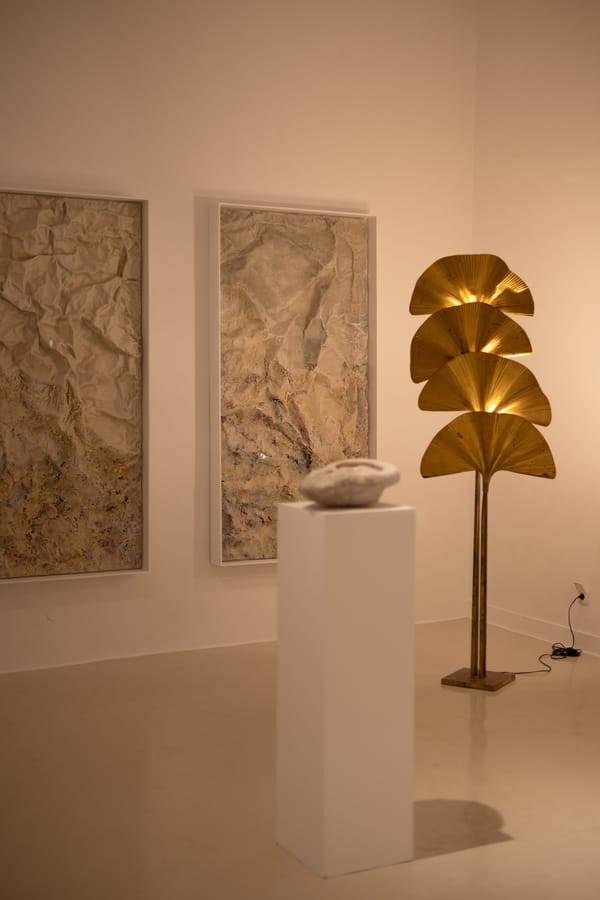
On the walls hang paintings by Agata Szwajcowska, echoing the rhythm of the vinyl playing nearby.
Nothing here feels accidental. Every detail — from décor to menu — forms one shared narrative: a dialogue with Polish culture, told through taste, touch, sound, and sight.
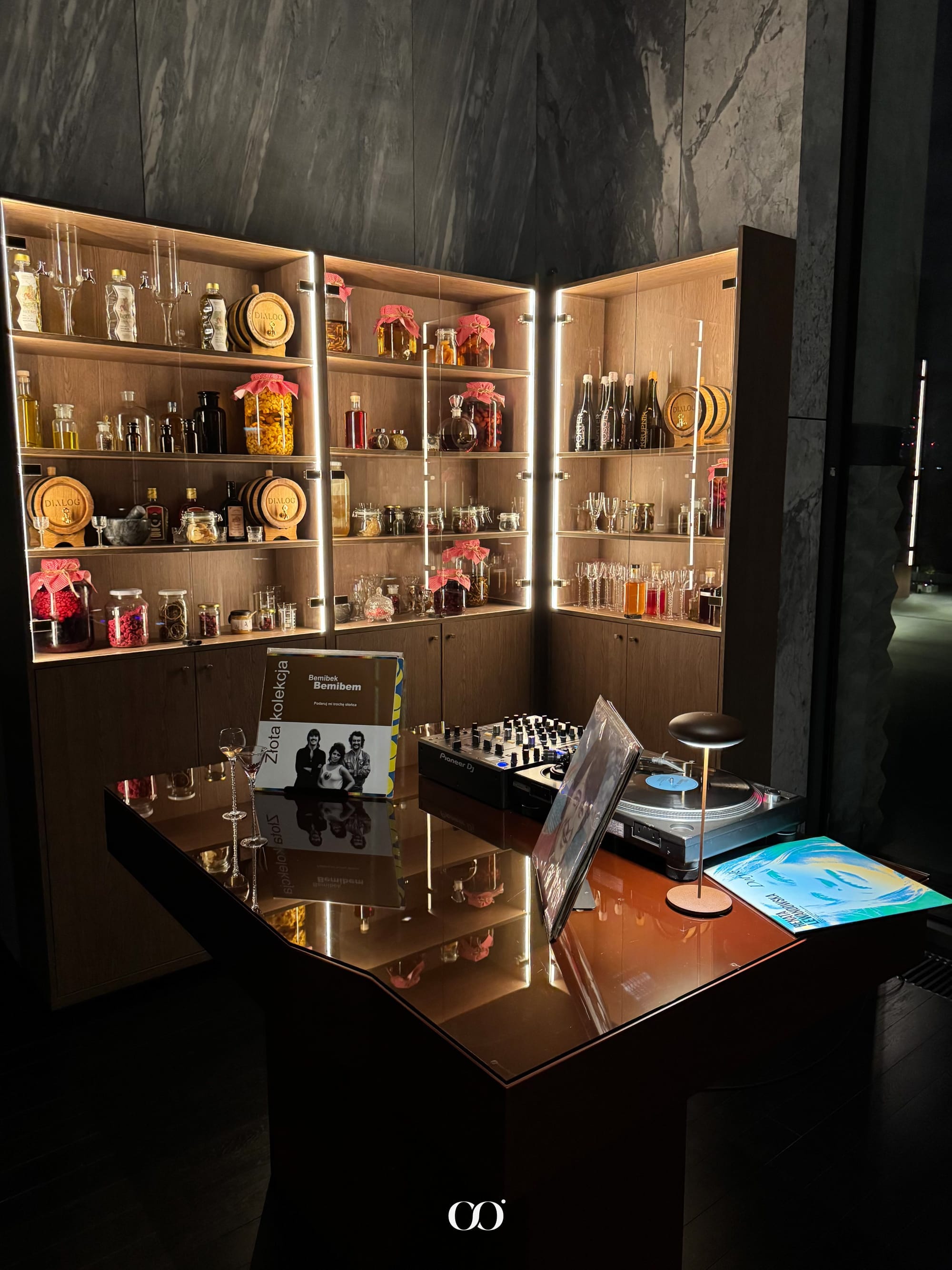
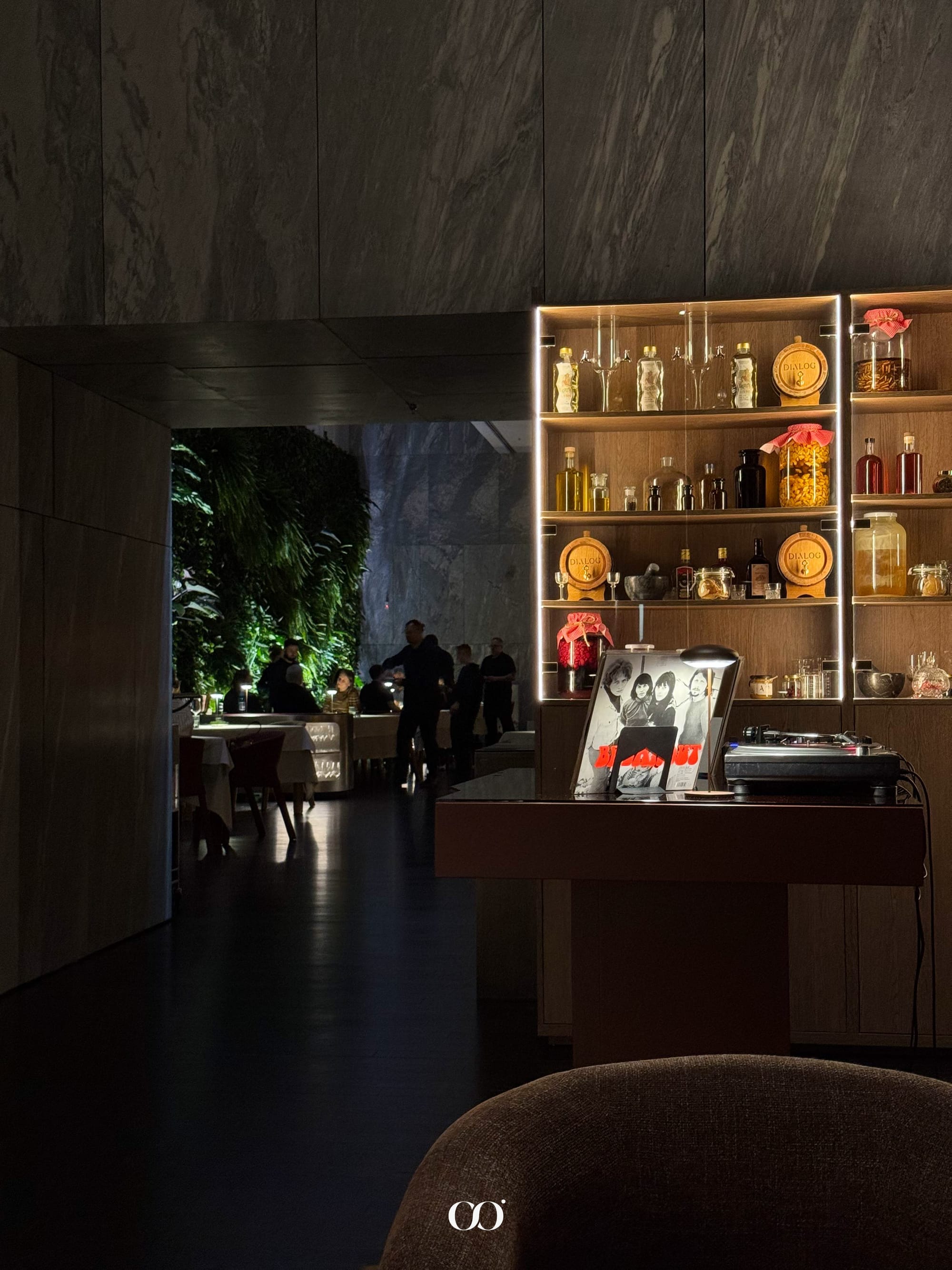
Dialog Restaurant at the Polish History Museum and its lounge zone. Photo: Warsawslook
Aftertaste
If you’re wondering whether to visit Dialog — I believe it’s worth it. The restaurant connects Polish heritage with the present, proving that dining can be more than what’s on the plate. It’s a sensory journey — sight, sound, scent, and taste interwoven — but above all, it’s about the feeling that remains when you leave.
Dialog is proof of Polish hospitality at its best: elegant, professional, local, and deeply authentic to its place and philosophy.
Whether you stop by the lounge for a glass of wine or experience the full tasting menu, you’ll find yourself part of a story that continues the conversation between past and present.