Warsaw Neons: From New Installations Like “Schlebiaj Sobie” to the City’s Classic Icons
A new neon installation in Warsaw — “Schlebiaj Sobie” by Lubaszka — adds another chapter to the city’s long relationship with light. From historic icons to contemporary installations, this guide explores where to see Warsaw’s neons today and why they still matter in the urban landscape.
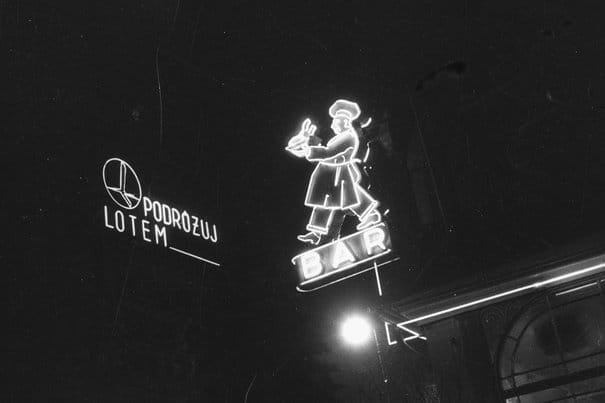
Since the 1920s, neons have been part of Warsaw’s visual language, shaping how the city looks after dark. While many disappeared over the decades, recent years have brought renewed interest in neon — both as a conscious design choice and, likely, through nostalgia. Today, Warsaw’s neon story continues, with new installations appearing alongside carefully preserved classics.
New, contemporary neons
“Schlebiaj Sobie” by Piekarnia Lubaszka & 2increatives
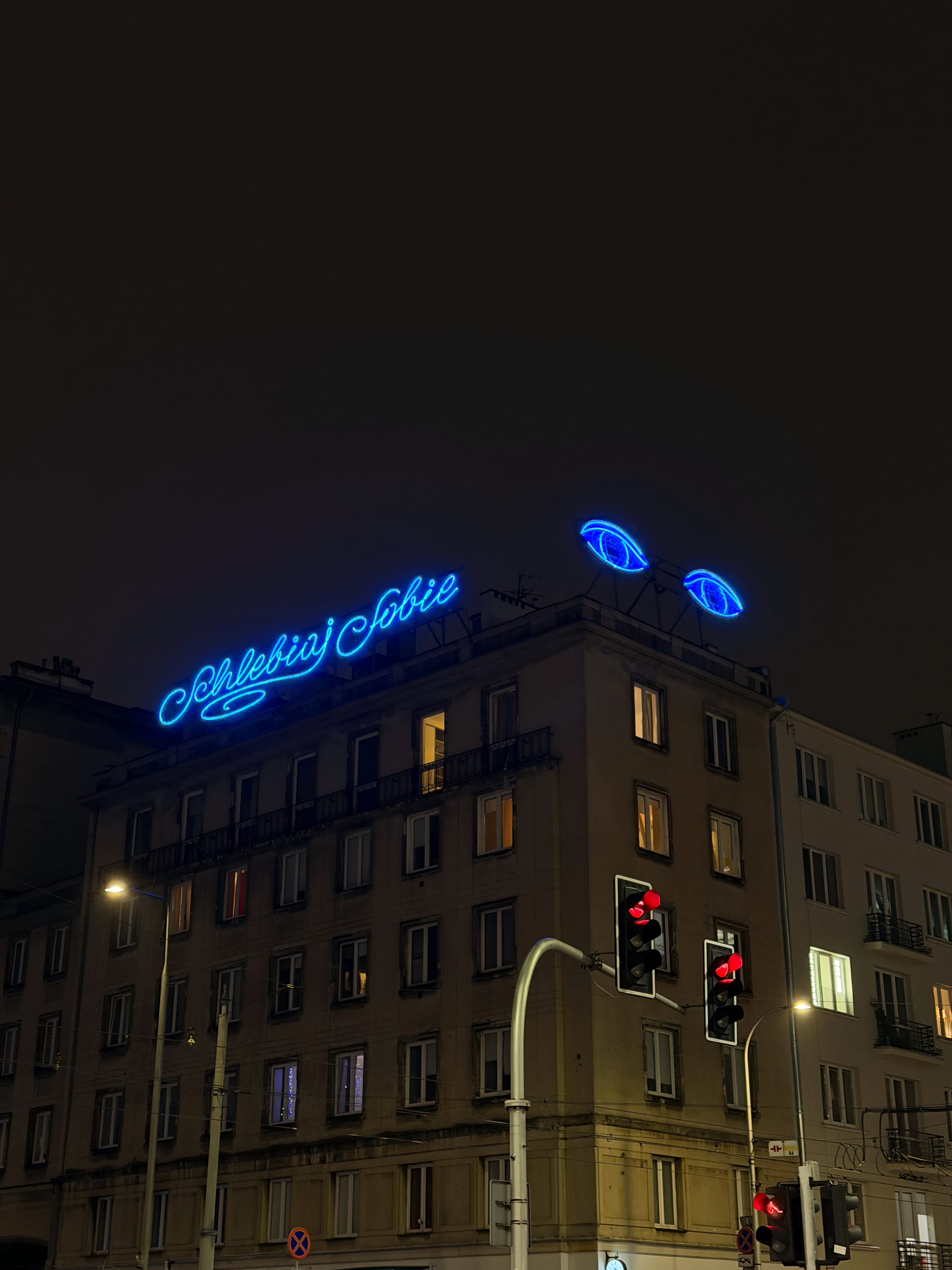
‘Schlebiaj Sobie’ refers to everyday pleasures while echoing historical Warsaw neons, which often combined utility with poetic or witty messages.
One of the newest additions can now be seen on the rooftop of a tenement building at the intersection of Waryńskiego and Nowowiejska Streets. Created through a collaboration between 2increatives and Lubaszka Bakery, the neon reads “Schlebiaj Sobie” — a phrase that playfully combines everyday bread with the idea of self-indulgence as a small, warm ritual. Simple typography is paired with two stylised, blinking eyes, introducing movement and rhythm.
As Yanina Trapachka, CEO and Creative Director at 2increatives, explains: “We wanted a form that would be clear, local, and designed with the city in mind. ‘Schlebiaj Sobie’ refers to everyday pleasures while echoing historical Warsaw neons, which often combined utility with poetic or witty messages”.
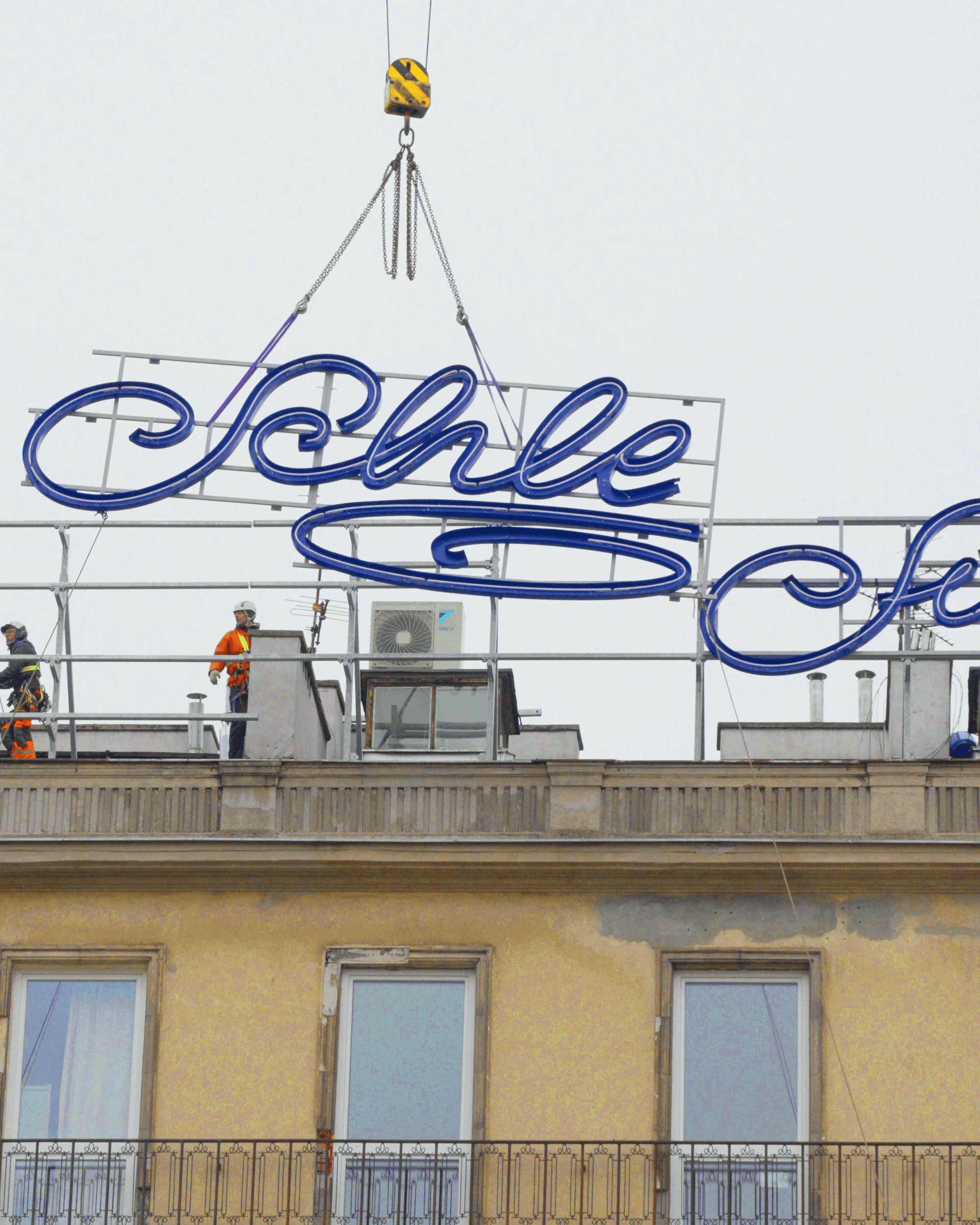
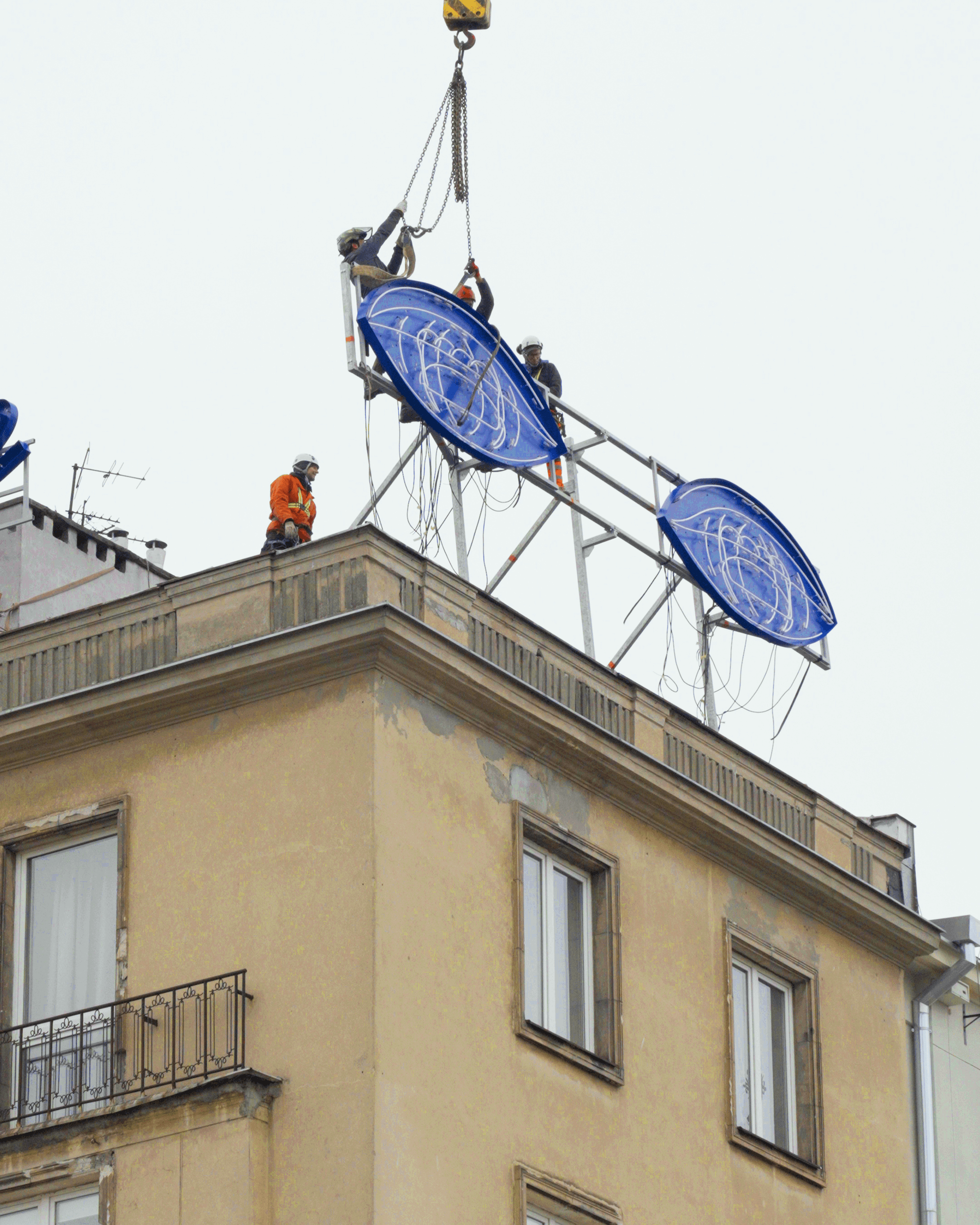
New neon installation in Warsaw: “Schlebiaj Sobie” by Piekarnia Lubaszka & 2increatives, at the intersection of Waryńskiego and Nowowiejska Streets, 2025. Photo: press material, 2increatives
For Lubaszka Bakery, the project was also about continuity: “We have long been inspired by the neon tradition of the MDM area and wanted to continue it by creating a living neon that brings a smile to people passing by.” — Karol Lubaszka.
Wielka Warszawa (Greater Warsaw) — Arek Vaz (2019, 77/79 Marszałkowska Street)
This modern typographic installation references the 1928 “General Plan of Greater Warsaw”, which outlined the city’s ambitious expansion and functional zoning. The neon echoes the idea of Warsaw as a growing, layered organism — linking historical urban planning with a contemporary visual language rooted in the city’s scale and aspirations.
“All the Things (That Could Happen Next)” — Tim Etchells (2020, corner of Emilii Plater and Nowogrodzka Streets)
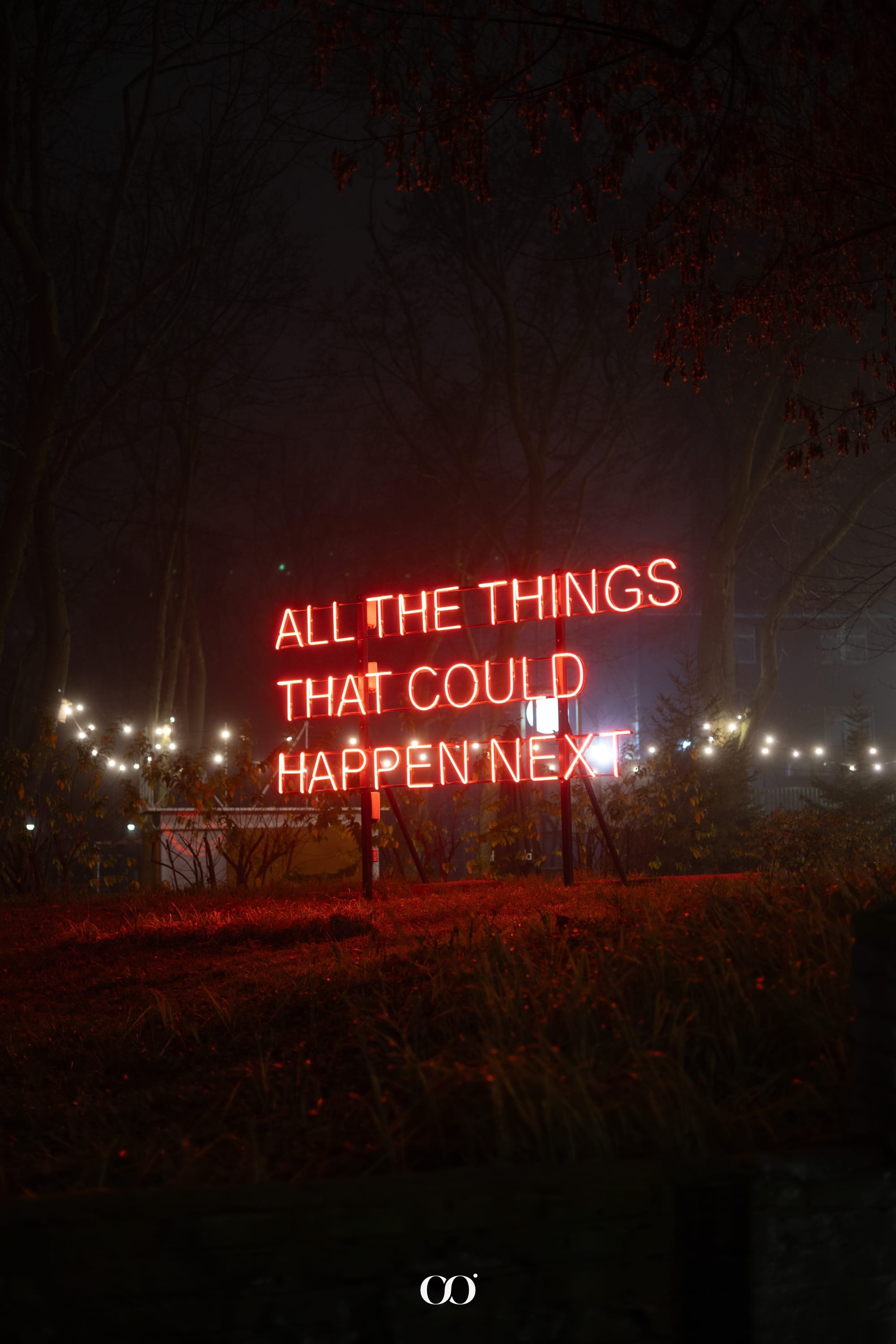
A conceptual neon installation. All the Things That Could Happen Next invites reflection on uncertainty, possibility, and the fragility of what we consider stable — both in personal life and in broader social contexts. It positions neon as a medium for dialogue and openness to what lies ahead.
Krzysztof Komeda Neon — Rafał Dominik (2017, Czesława Niemena Square, Żoliborz Artystyczny)
Driving along Powązkowska Street, it’s hard to miss this bright, dynamic neon — a contemporary homage to the legendary jazz composer Krzysztof Komeda. The sign blends memory and music, weaving naturally into the everyday urban landscape.
Miło Cię Wiedzieć (Nice to Meet You) — Mariusz Lewczyk (2014, Gdański Bridge)
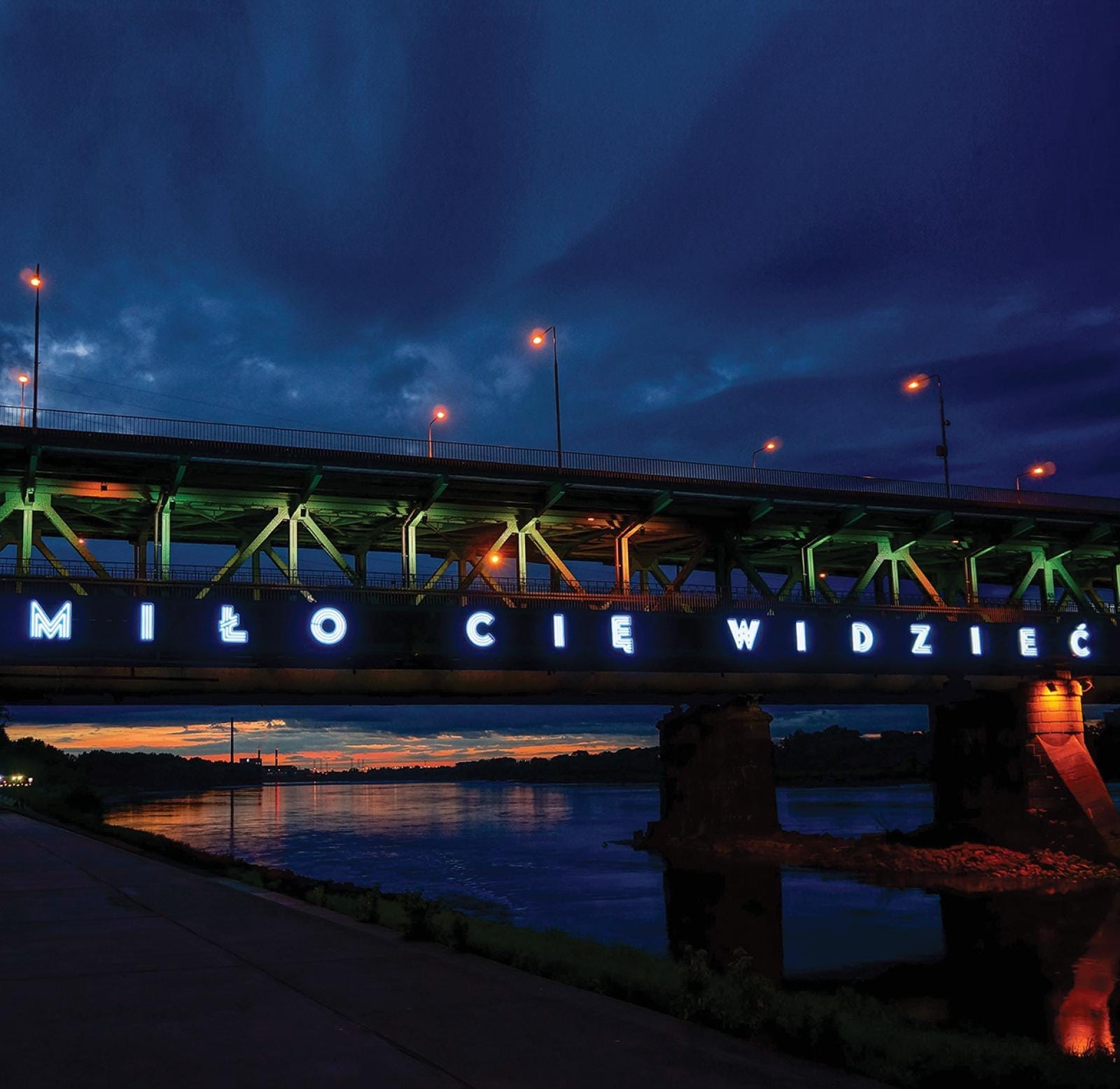
Created as the winning project of the Neon for Warsaw competition, this friendly phrase glows at one of the city’s key bridges. The neon offers a simple, warm gesture — a moment of light and kindness. The message frames Warsaw and its citizens as welcoming hosts, extending a subtle invitation to dialogue and openness.
The real revival came in the late 1950s through the early 1970s — often referred to as the Golden Age of Warsaw neons.
Classic Warsaw neons
These signs defined the rhythm of Warsaw’s streets in the 1950s and 60s — and some of them still glow today.
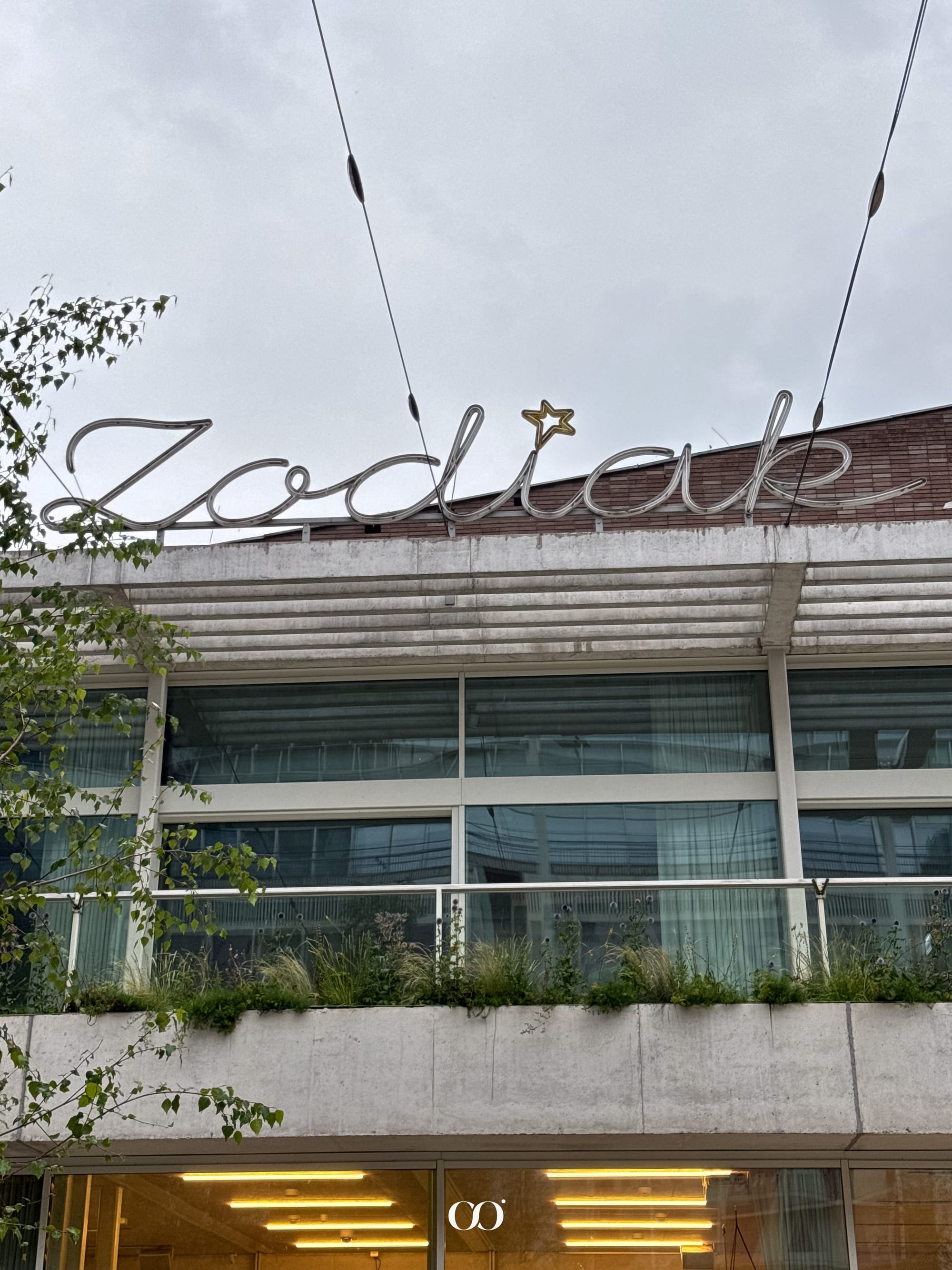
Zodiak — one of the city’s most recognisable neon compositions, once marking the modernist bar on Marszałkowska Street, today part of the Warsaw Pavilion of Architecture.
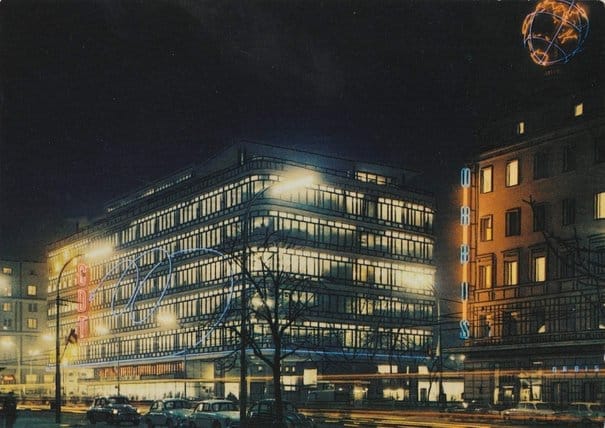
Orbis — the famous globe-shaped neon, one of Warsaw’s oldest post-war neon signs, at Aleje Jerozolimskie (corner of Bracka). The original was taken down in 2011 due to its condition; today’s version is a replica, while preserved parts of the historic globe are under the care of the Neon Museum.
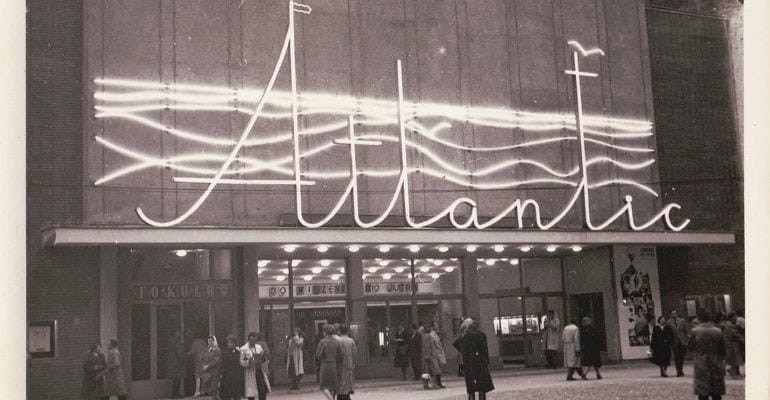
Kino Atlantic — a surviving cinema neon and a rare witness to both pre-war and post-war Warsaw, still shining on Chmielna Street.
Siatkarka at Plac Konstytucji — designed in 1960, now one of the most emblematic symbols of Warsaw’s neon heritage.
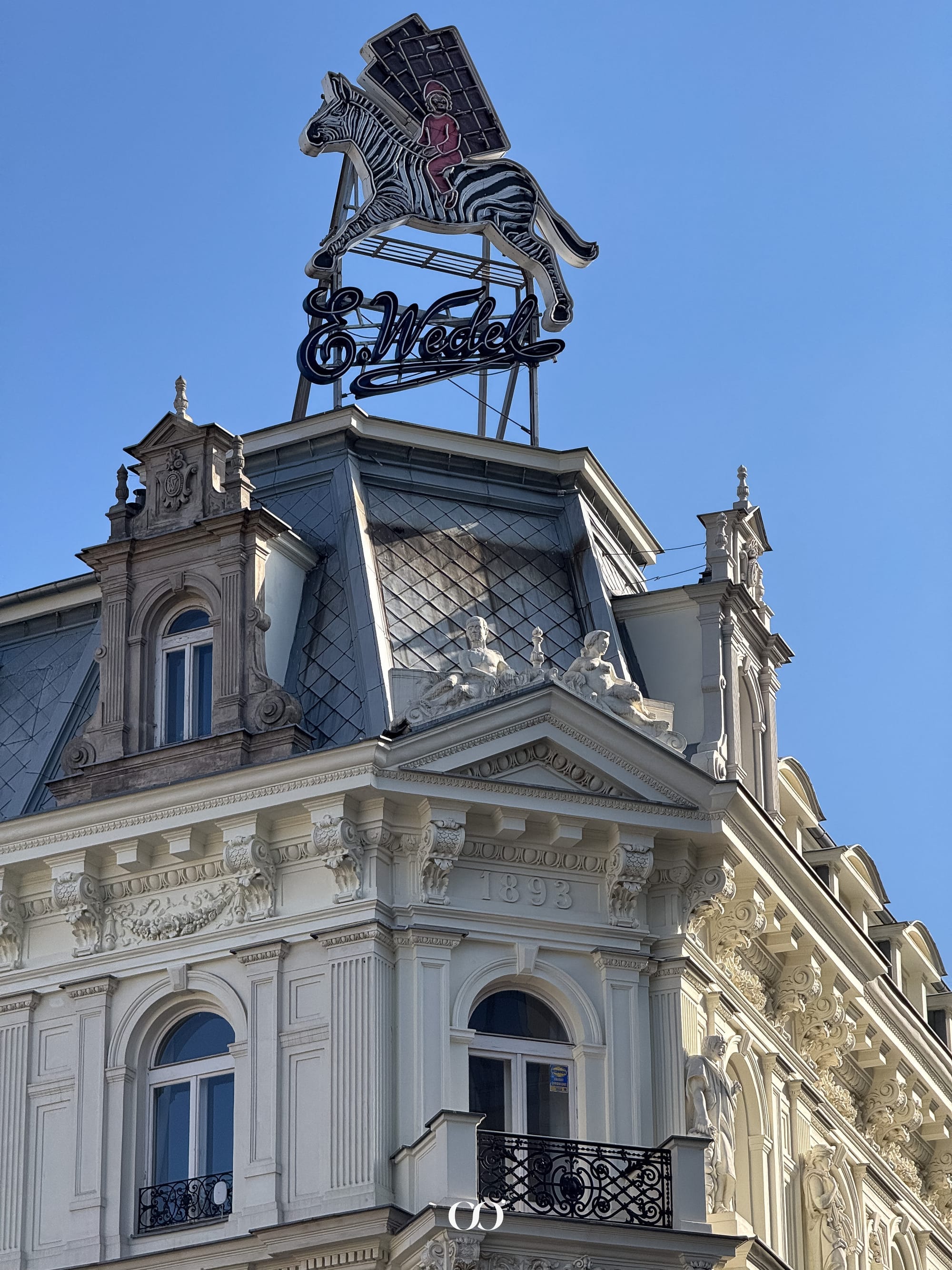
Wedel — a timeless brand sign accompanying generations of Warsaw residents, mounted on one of the city’s most iconic tenement buildings on Szpitalna Street.
A short history of Warsaw’s neon light
To understand why a new neon still matters in Warsaw, it’s worth stepping back. The city’s first neon lit up in 1926, advertising the Haberbusch i Schiele Brewery on the roof of the Marconi Villa at the corner of Marszałkowska Street and Aleje Jerozolimskie. It marked Warsaw’s early embrace of modern visual communication.
Before World War II, Warsaw had dozens of neon signs on rooftops and façades, illuminating cinemas, cafés, and main streets. Only a few survived the war, including the cinema signs of Atlantic and Femina.
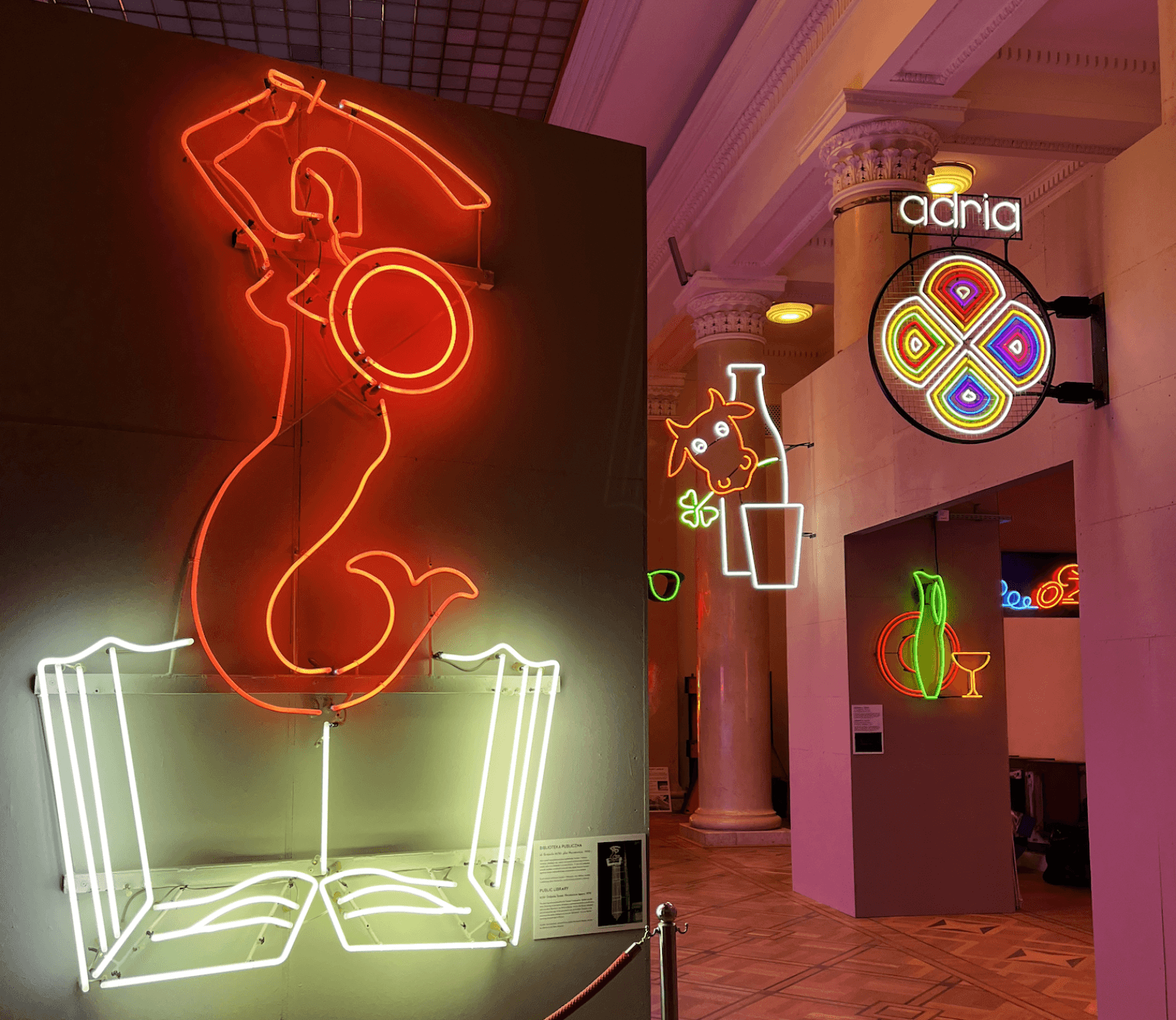
The real revival came in the late 1950s through the early 1970s — often referred to as the Golden Age of Warsaw neons. As part of the “neonisation” programme, artists, architects, and graphic designers were invited to create signs that became integral to the city’s architecture. Streets like Marszałkowska and districts such as MDM turned into glowing compositions of colour, typography, and movement.
By the 1970s, economic crisis and energy shortages led to the gradual fading of neon signage. After 1989, many installations were dismantled or replaced by billboards and LED screens, beginning a long period of neglect.
Today, that legacy is preserved by the Neon Museum, founded by Ilona Karwińska and David Hill, who have been documenting and rescuing Warsaw’s neon signs since 2005.
As of 1 August this year, the museum operates in a new location — on the 4th floor of the Palace of Culture and Science. The exhibition focuses on neon works from the 1950s, 60s, and 70s, presenting restored originals alongside their stories and historical context.
 Sia P.
You might also like this