When Steel Breathes: Oskar Zięta’s “Balloon” Objects Between Technology and Art
Discover Oskar Zięta’s FiDU “balloon” steel at Warsaw’s Institute of Industrial Design — objects that age well, from PLOPP to Ultraleggera.
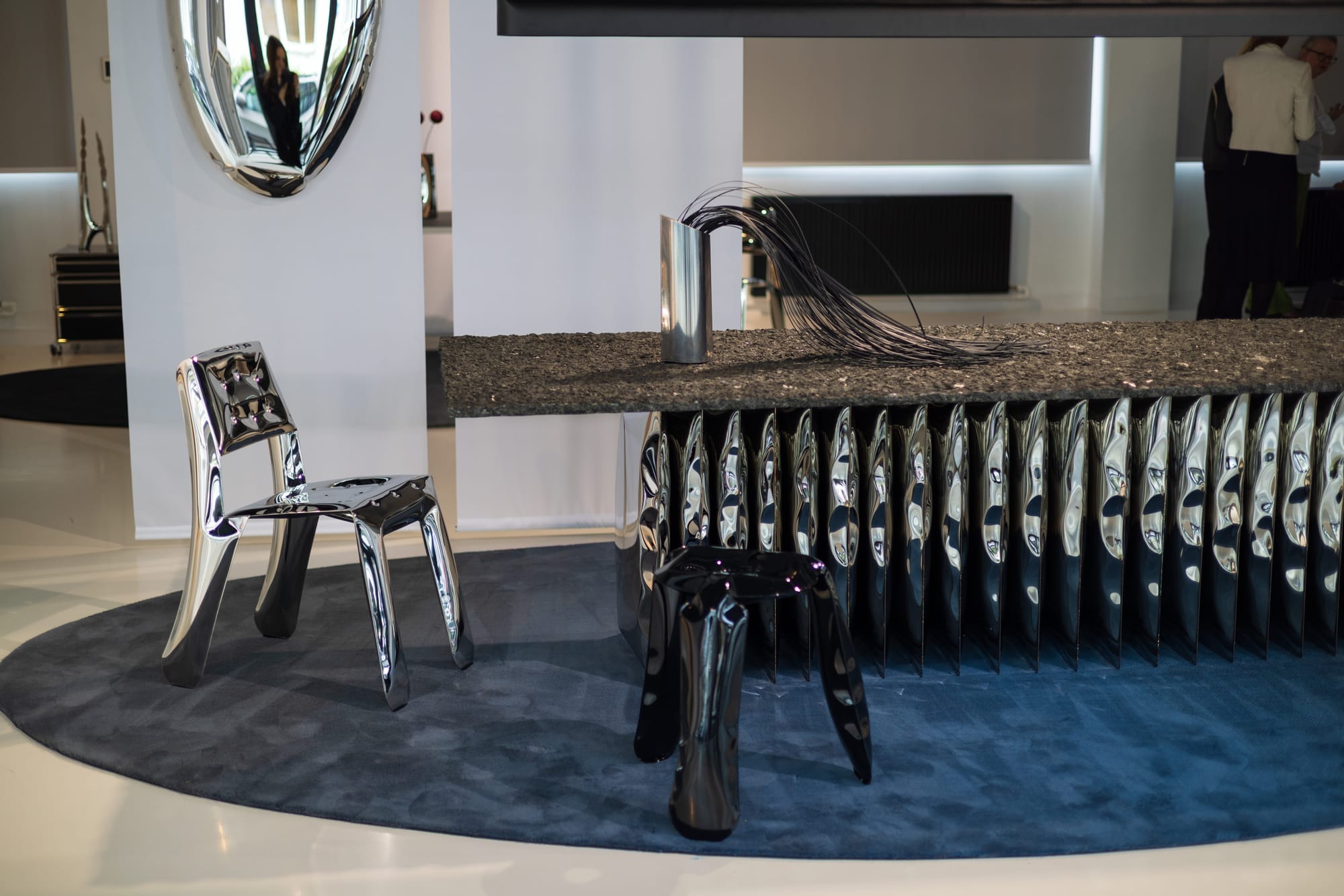
Let’s step into a space where technology meets art, design, and everyday use. As Zięta puts it: “We do not follow trends; we create them.”
Set in the New Town, the Institute of Industrial Design is a light-filled, simple space. Into this calm backdrop, "Oskar Zięta. Constructions" introduces metallic forms: inflated, fluid, seemingly weightless. But behind those skins lies precision, engineering, and one of the most inventive metal-shaping processes of our time.
Because what looks futuristic is, in fact, deeply human: a story of patience, experimentation, and materials made to last.
As a student, it was impossible to convince investors or architects to use our technology — especially at architectural scale — so we began experimenting in small forms, in furniture.
Who is Oskar Zięta
Oskar Zięta (born 1975) is a Polish architect, engineer, and designer, founder of Zięta Studio, and creator of FiDU (Freie Innendruck Umformung — free internal-pressure shaping). In simple terms: it’s a method of forming steel with internal pressure, turning steel into light, durable forms. He developed FiDU while at ETH Zurich, later establishing his studio between Wrocław and Zurich.
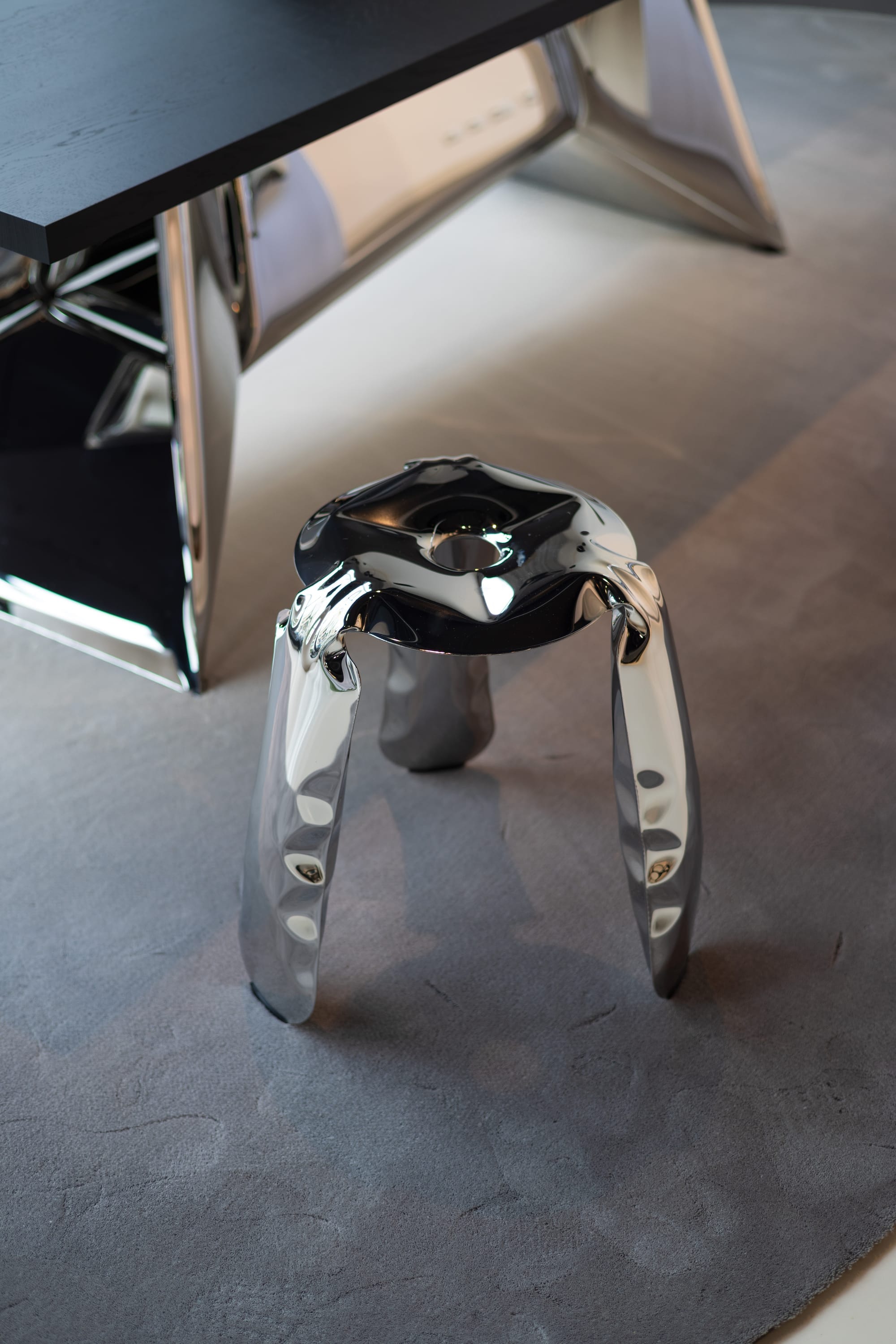
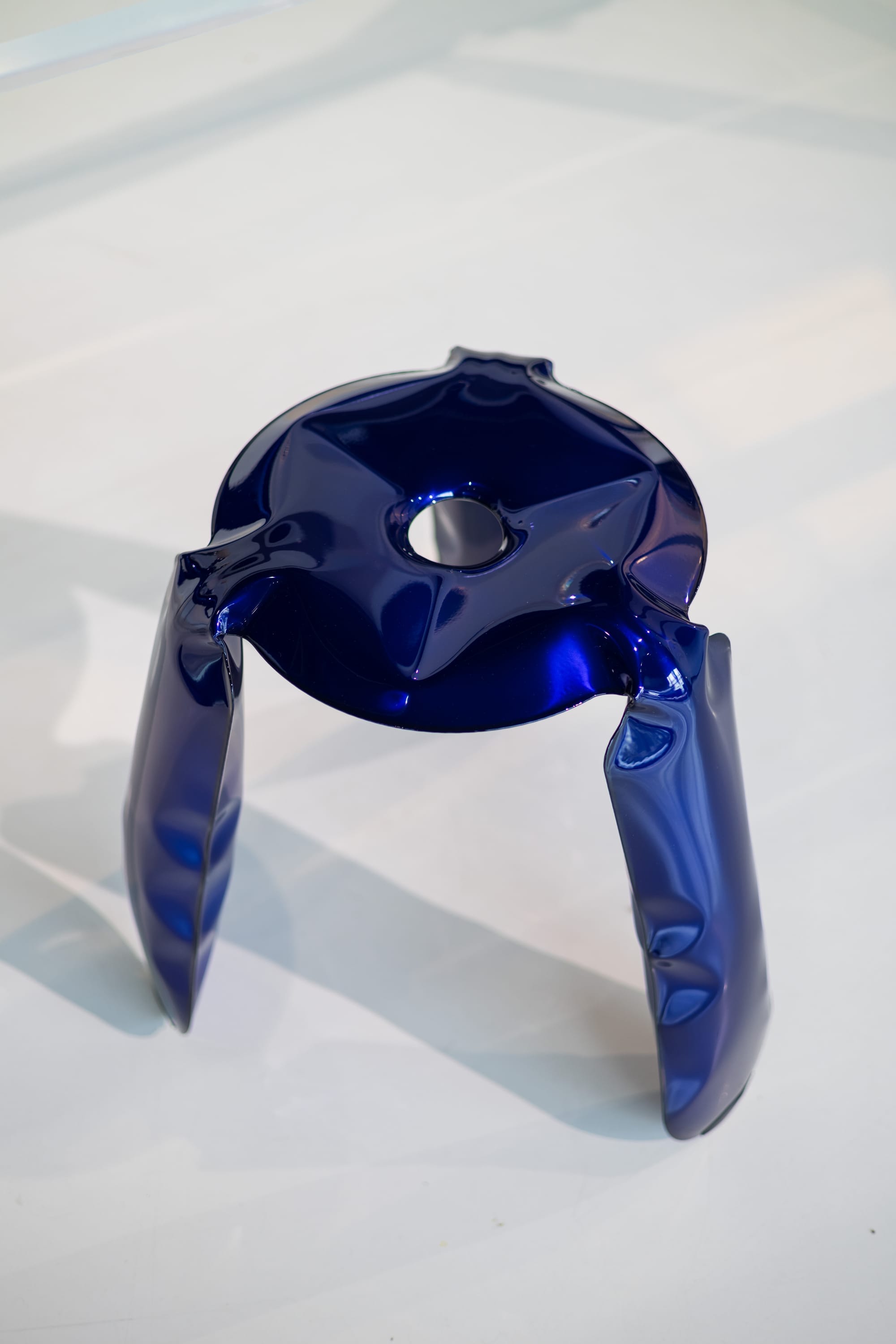
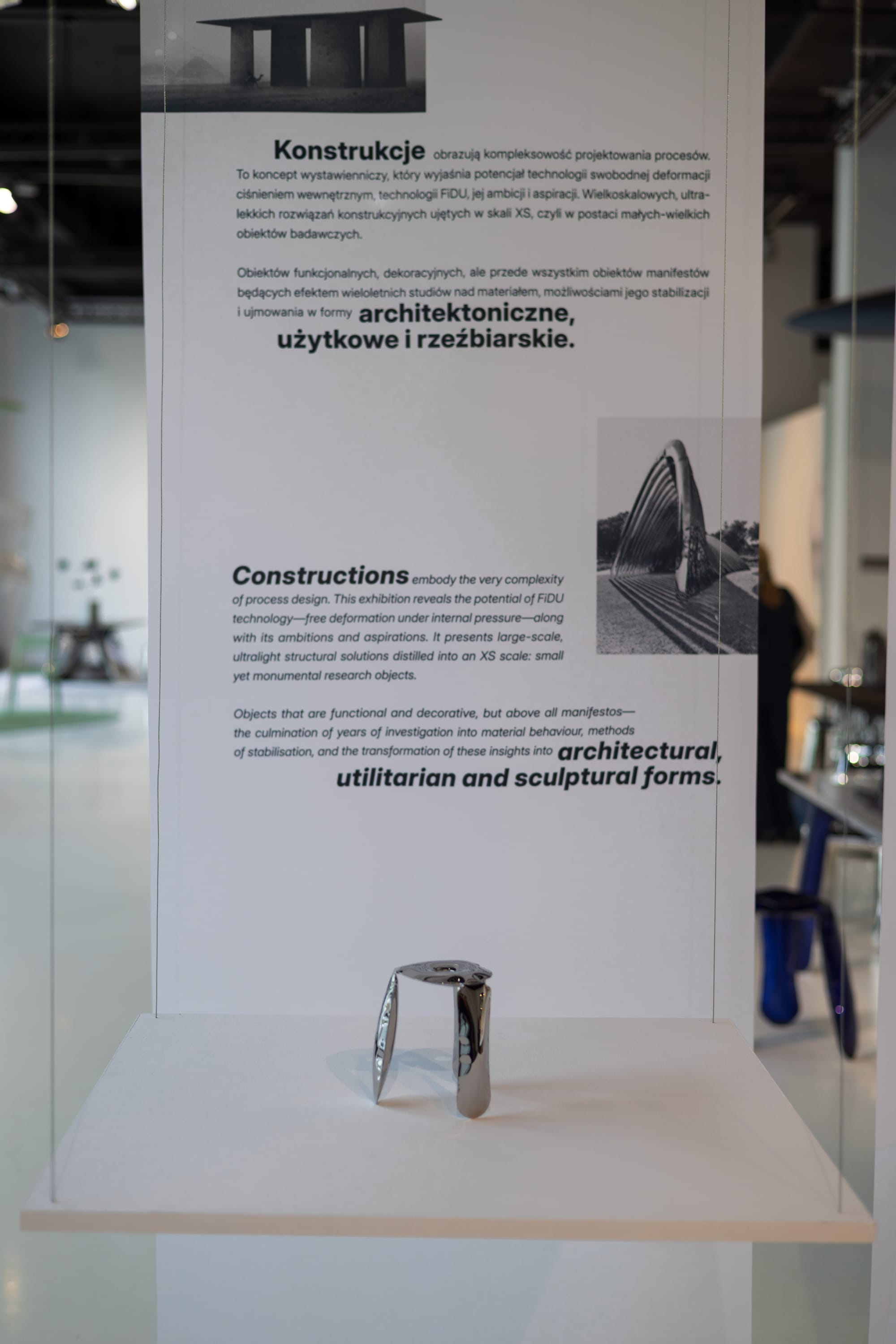
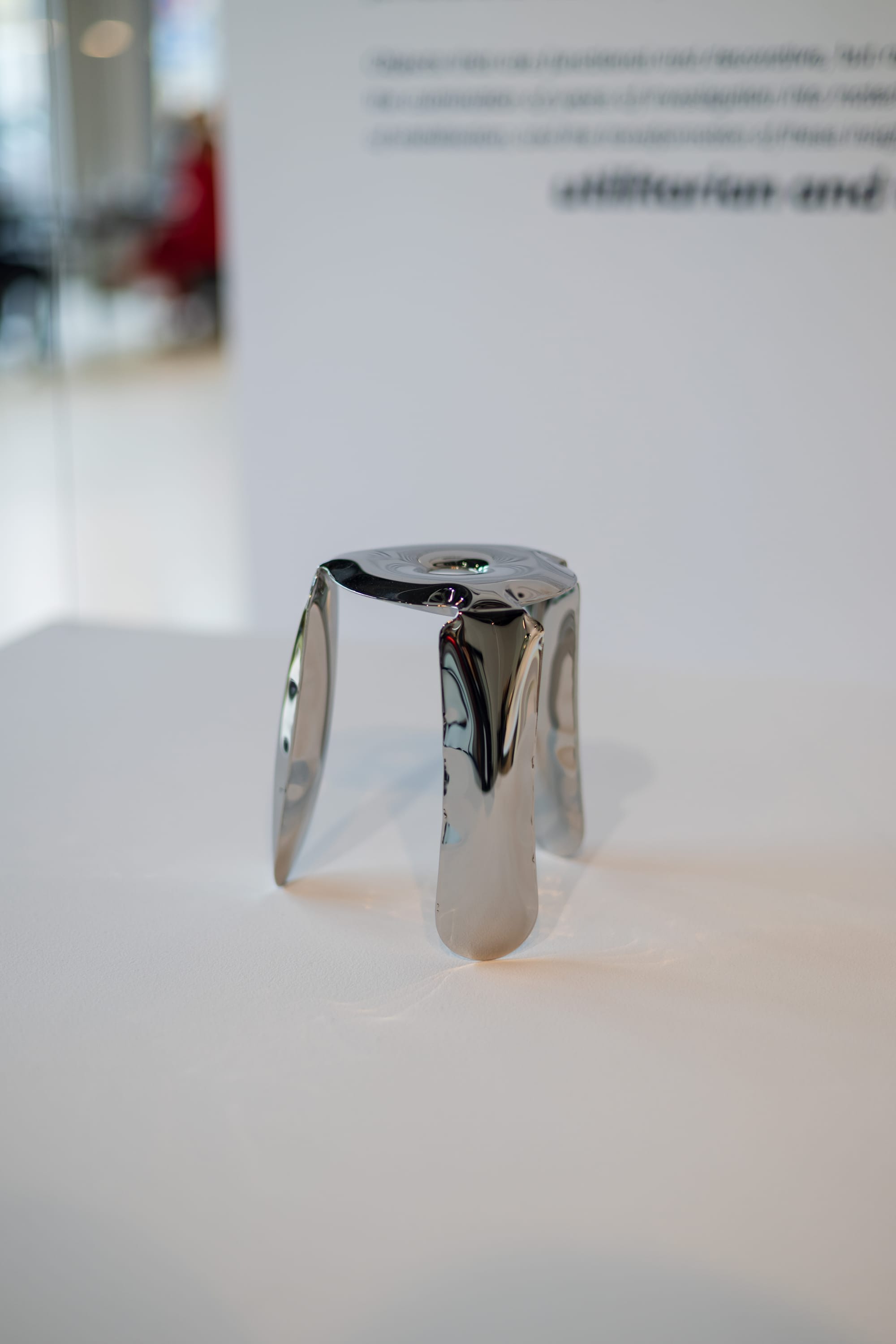
PLOPP stool at Oskar Zięta. Constructions exhibition, 2025. Photo: Warsawslook
“As a student, it was impossible to convince investors or architects to use our technology — especially at architectural scale — so we began experimenting in small forms, in furniture,” Zięta recalls. Those early tables, mirrors, and stools drew attention (the PLOPP stool became an award-winning icon), and a Milan breakthrough followed — from there, works moved into galleries, museums, and collections.
A living exhibition
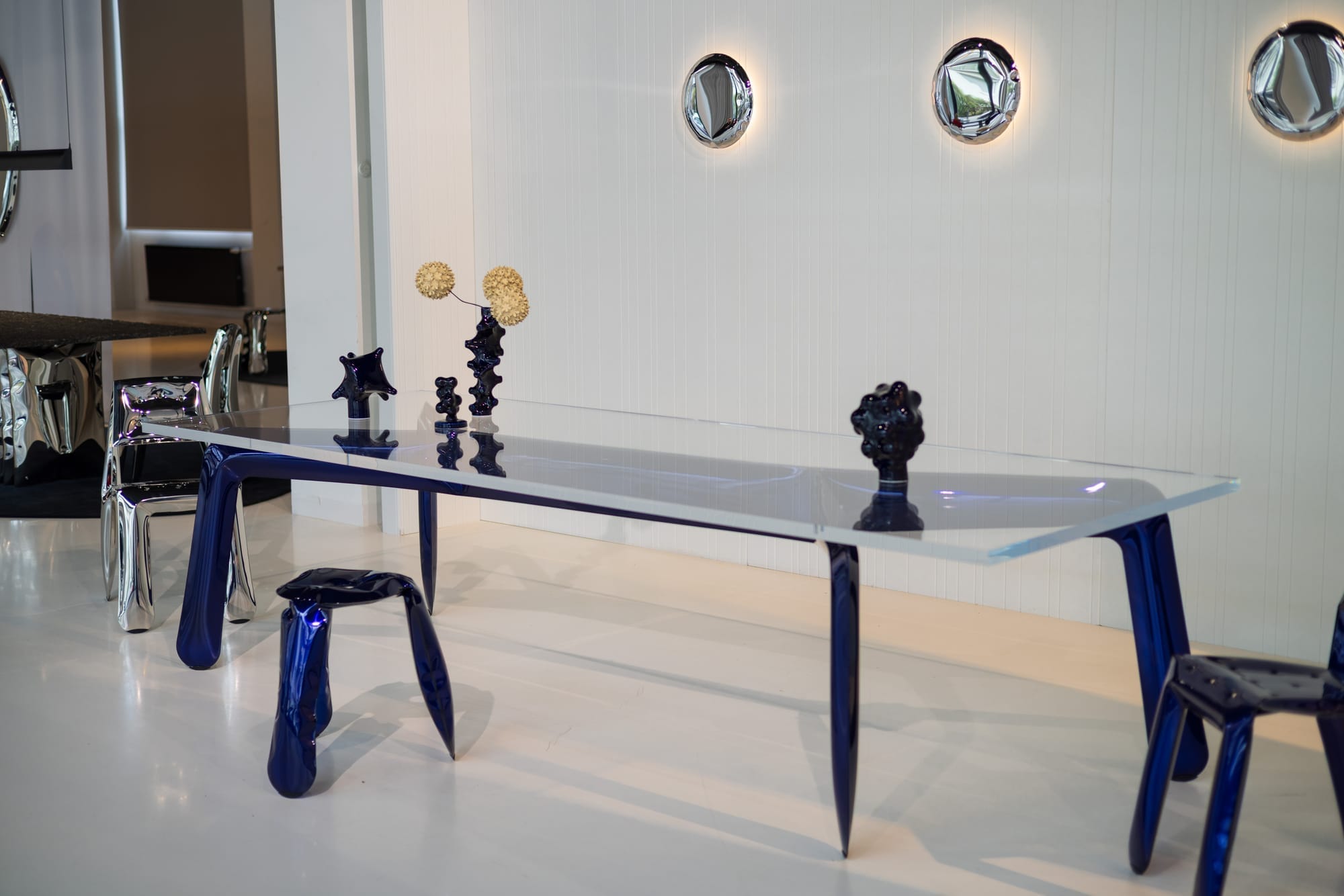
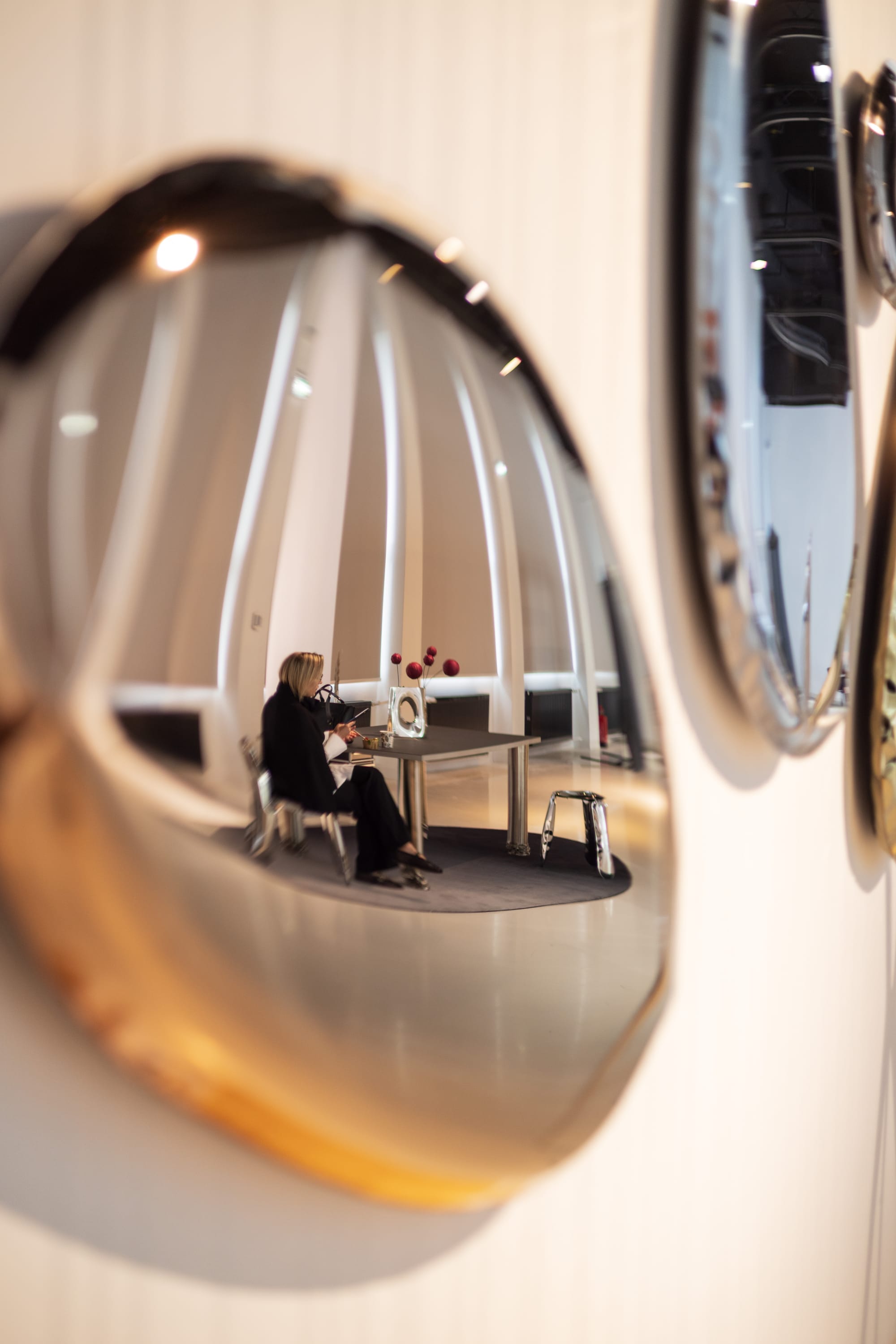
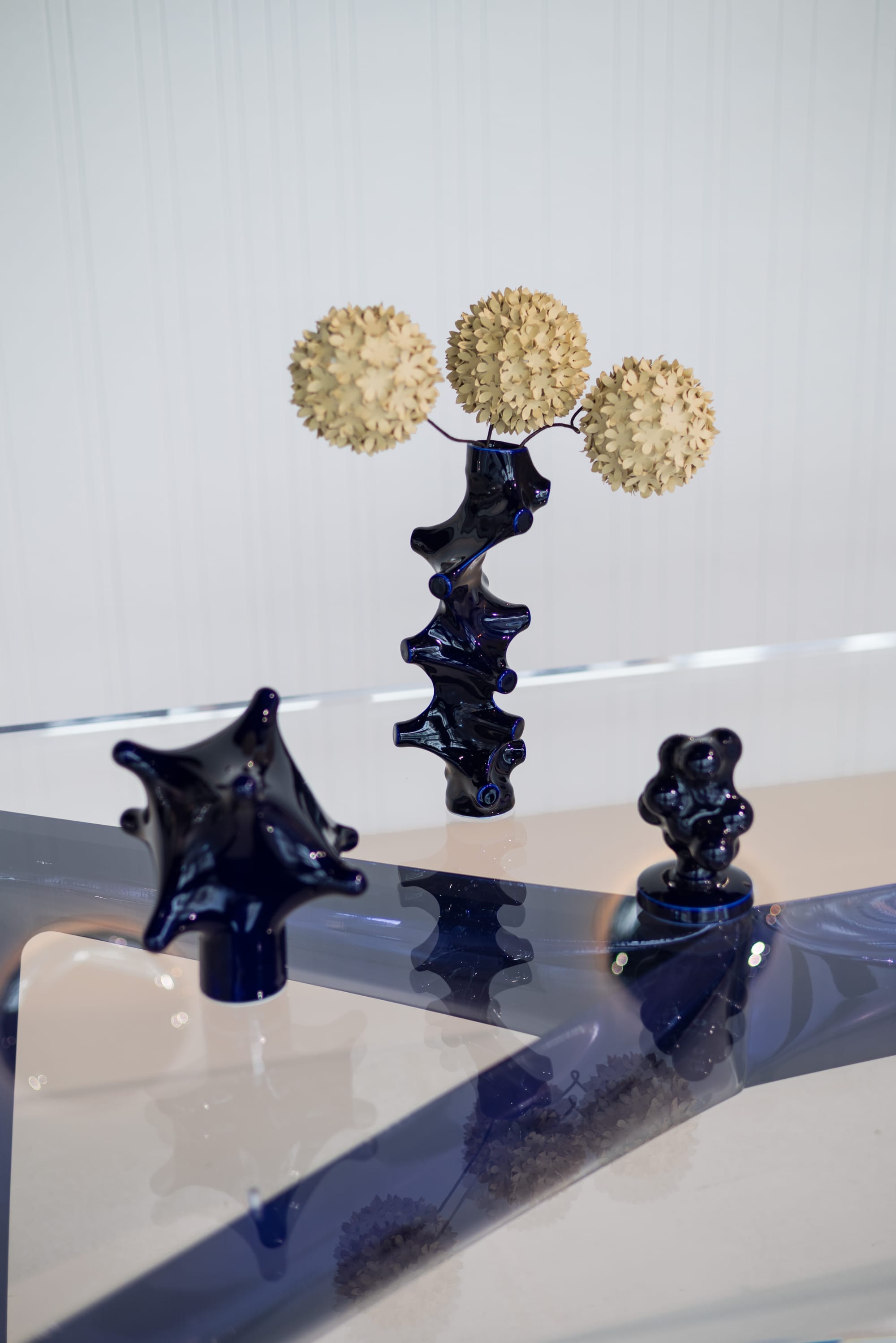
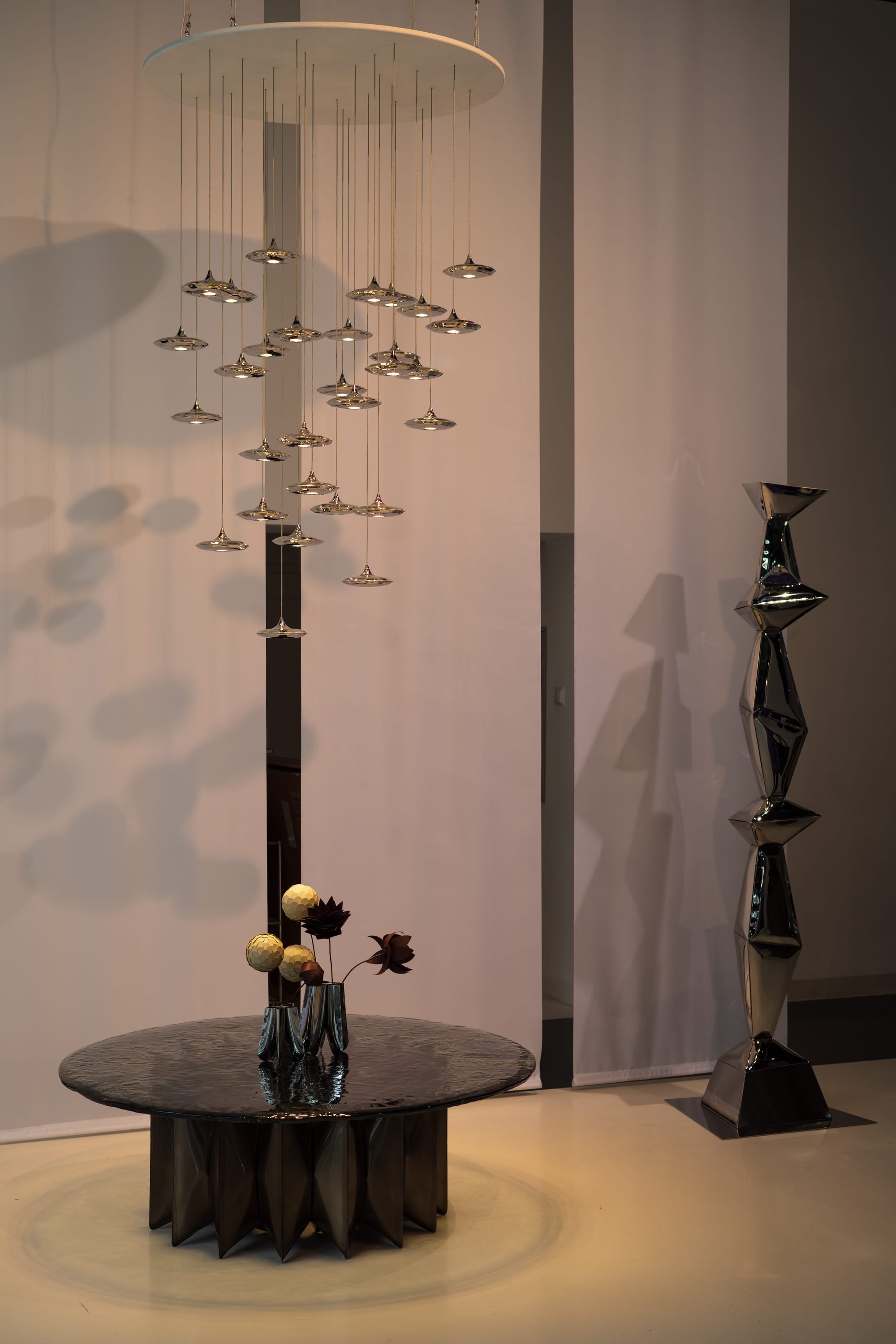
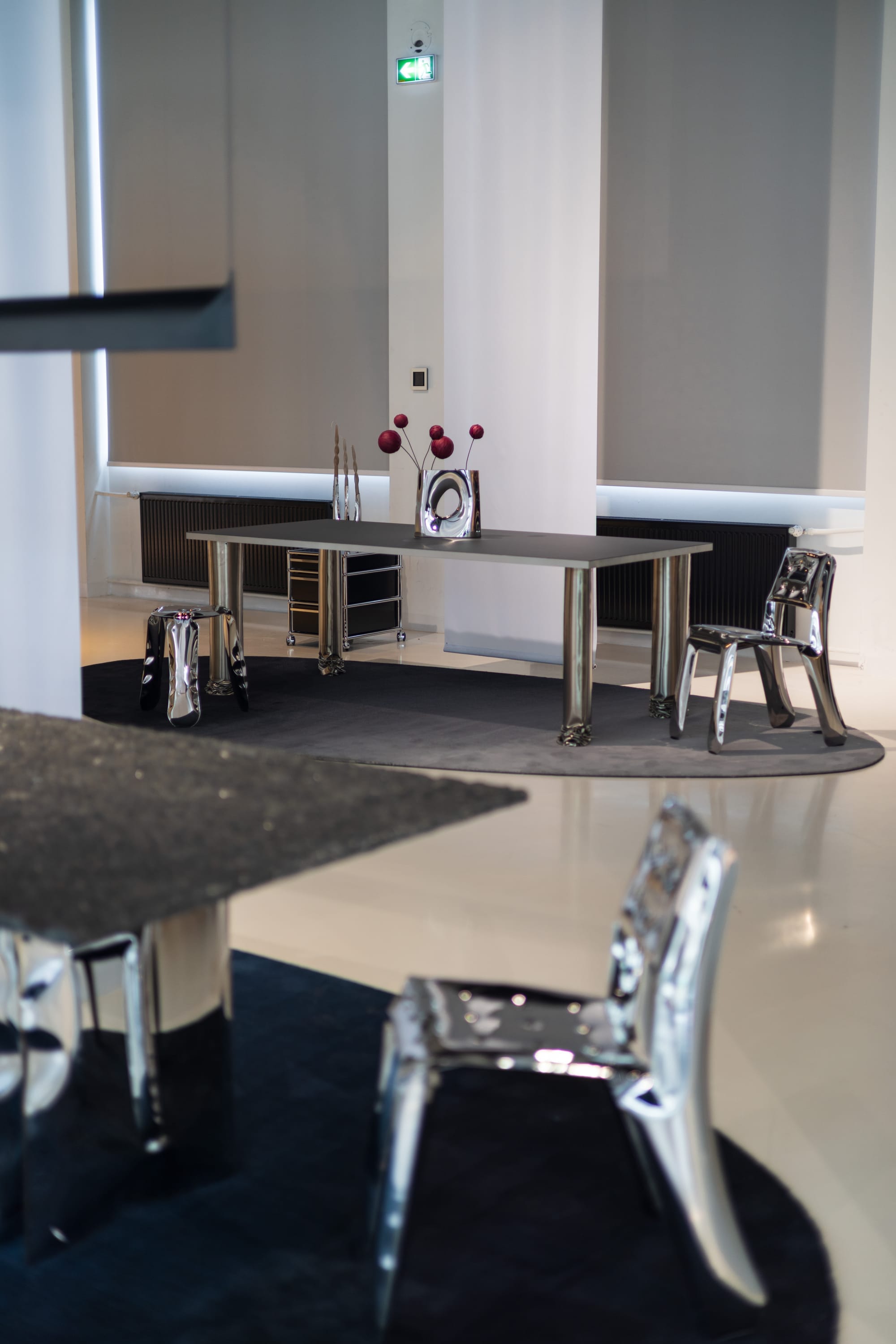
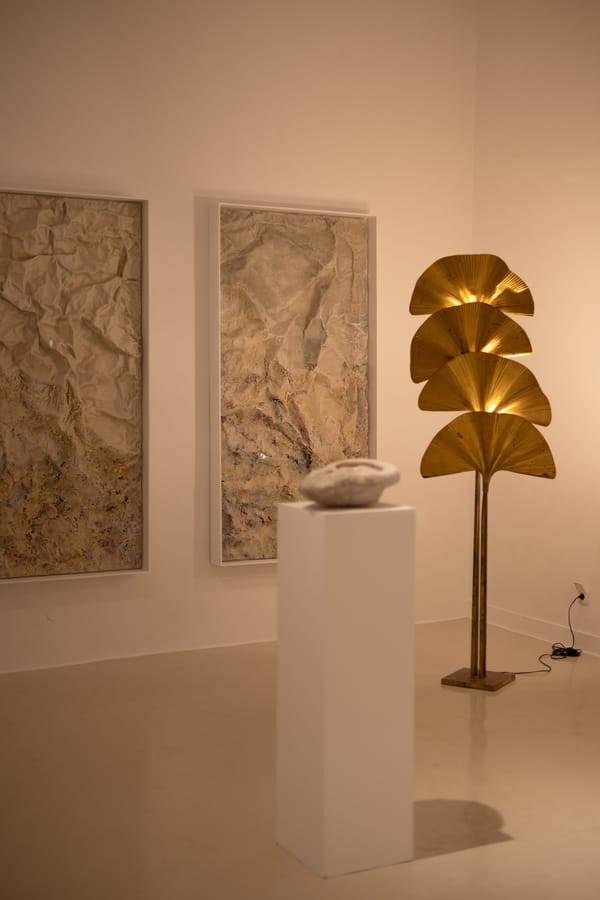
Oskar Zięta. Constructions exhibition, 2025. Photo: Warsawslook
Don’t just look at the shiny skin — it’s beautiful and spectacular, almost futuristic. I encourage you to look at the structure that tells the story of the technology — the inflation — behind it.
The curatorial intent is simple: show new and early constructions side by side, and invite a slow look.
“Don’t just look at the shiny skin — it’s beautiful and spectacular, almost futuristic. I encourage you to look at the structure that tells the story of the technology — the inflation — behind it,” says the curator.
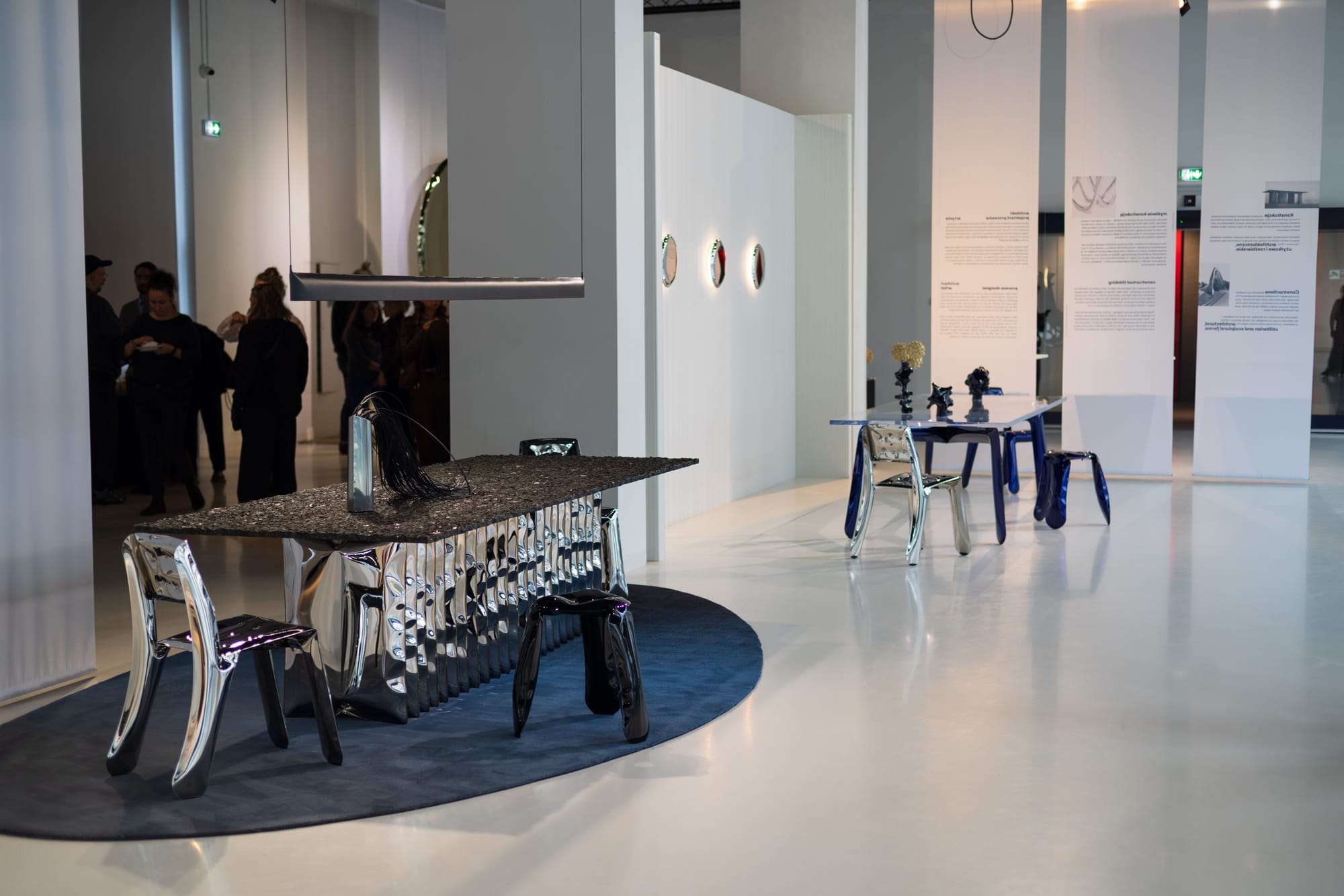
In Constructions, pieces are placed in a residential context. It shows how objects and everyday life can coexist — a concrete sense of use that simply communicates better.
FiDU is the exhibition’s quiet engine. Early trials used water under pressure; today the forms are inflated with air — a balance of pressure, parametric thinking, and structural intelligence that produces those soft-edged, ultra-rigid shells.

Between scale and imagination
One pleasure of Zięta’s work is how scale changes meaning. A small module at the entrance could read as a candlestick from a distance; scale it ×2 or ×3 and it becomes a structural leg; scale it ×10 and it turns into a monumental sculpture.
“The story Oskar tells through technology opens many functional and utilitarian contexts. For this show we chose the domestic one,” the curator notes.
Oskar Zięta. Constructions exhibition, 2025. Photo: Warsawslook
This duality — art and engineering, design and sculpture — makes the show feel alive. You experience more than the surface: you read the structure, feel the rhythm and the air, and ask how it breathes — how it might live in space.
Objects made from the right materials age beautifully… we don’t use technologies or materials that age poorly.
The beauty of aging
During a conversation with the artist, one thought surfaced that echoes today’s turn toward vintage and the unique: Zięta stands for longevity and memory. Even the first scratch becomes part of the story — the object keeps its value and carries your history. His objects are built to age well, gathering traces of use.
“Objects made from the right materials age beautifully… we don’t use technologies or materials that age poorly,” he says. Because many surfaces are left uncoated, they can be re-polished and restored.
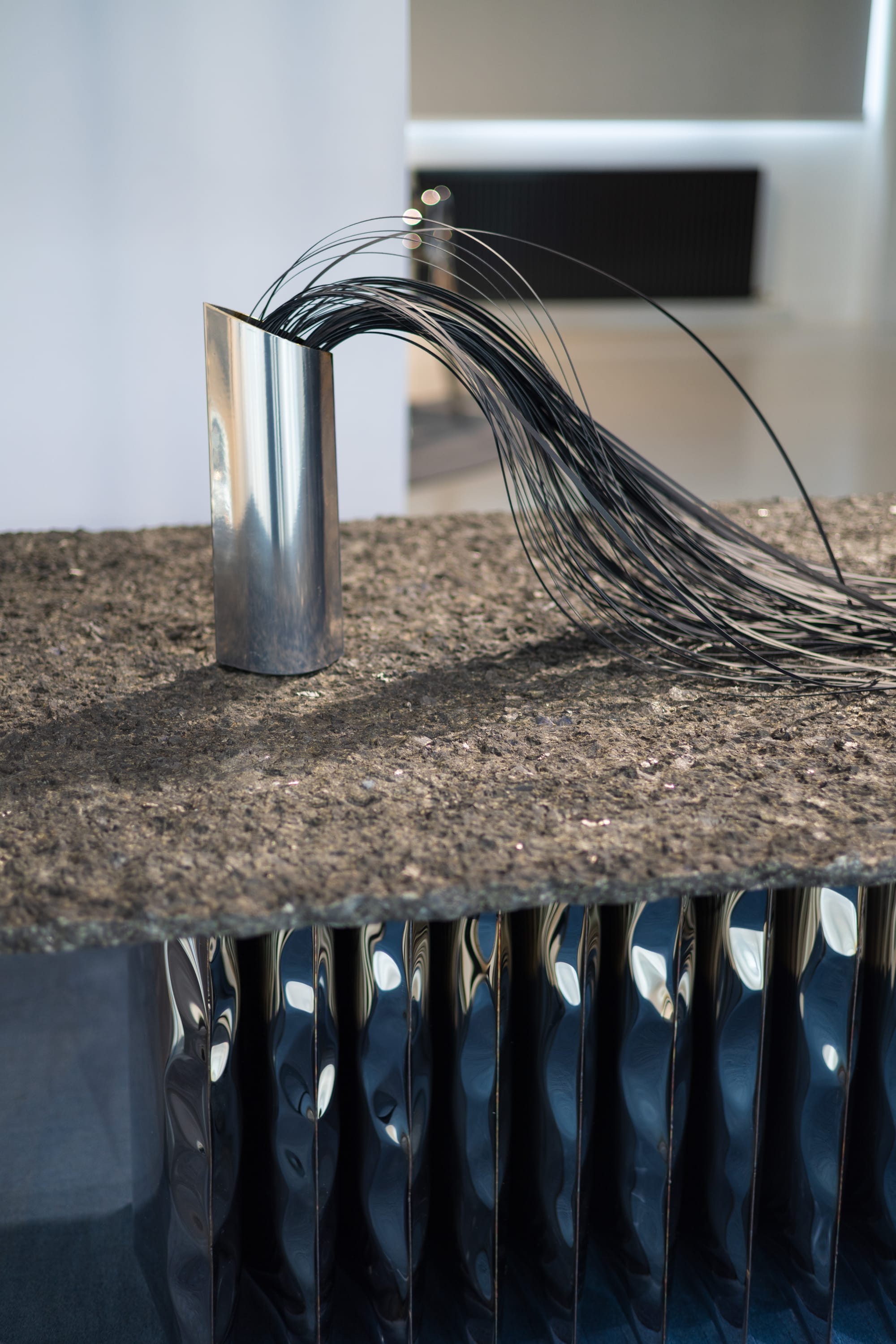
Oskar Zięta. Constructions exhibition, 2025. Photo: Warsawslook
“That’s inscribed in these works. I’m sure of it — I’ve already seen early pieces going to auction. Those first products sometimes sell for more than our new ones,” Zięta adds.
It’s a philosophy that mirrors the vintage market, where an older, well-made piece can cost more than a new one. And it’s also what separates such work from mass-market products: beyond the obvious visual qualities, these objects live longer, and with them, the story lives on. They’re not objects for a season, but companions for life — ecological through endurance, not disposability.
From Poland to the world — and back
Although the design language is global, the making stays rooted in Poland. During the conversation, Zięta mentioned that he works with local workshops and artisans — metalworkers, stone fabricators, textile partners — keeping the craft supply chain close. That proximity keeps the experimental spirit tangible — a calling card of Polish design.
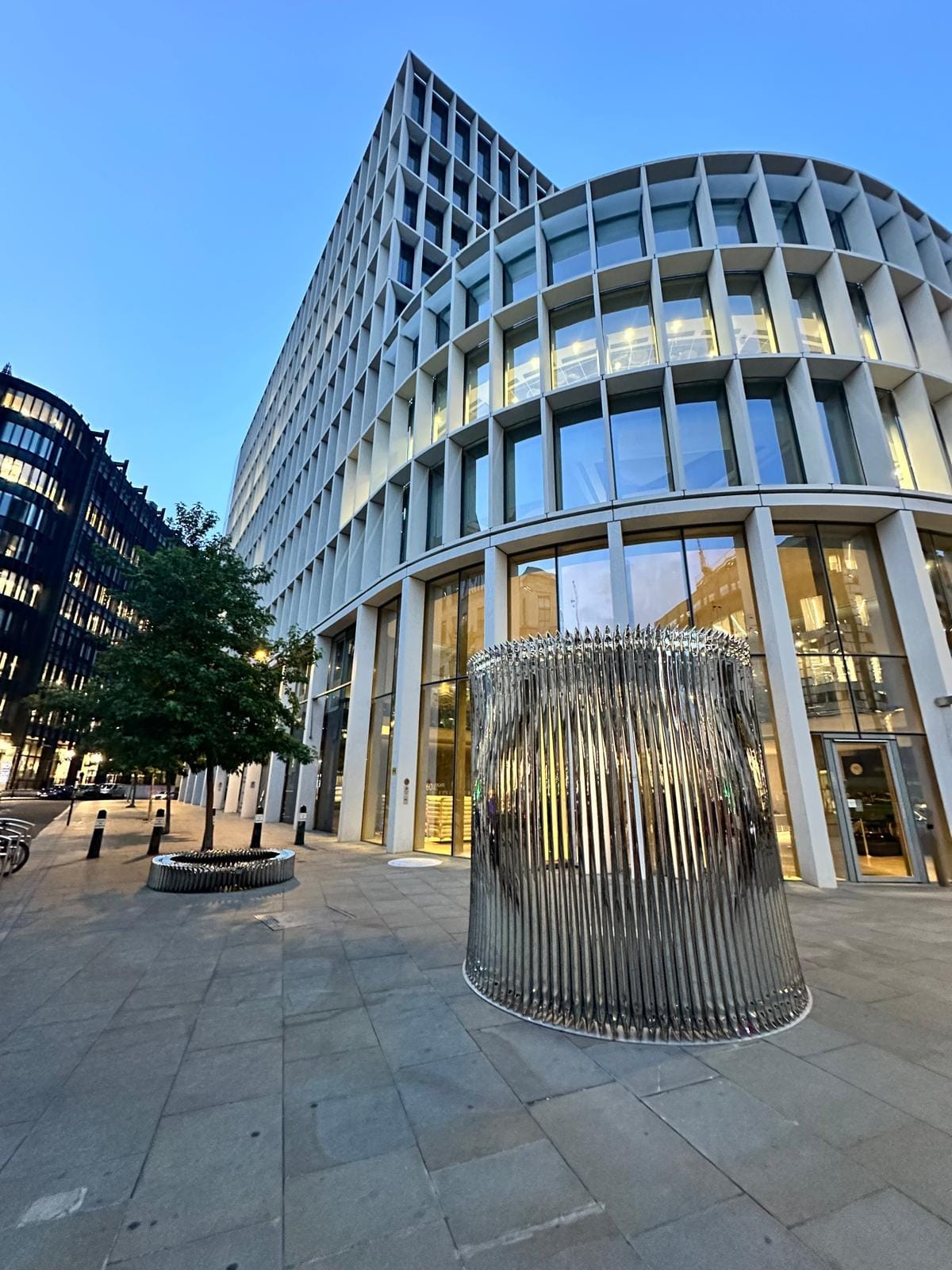
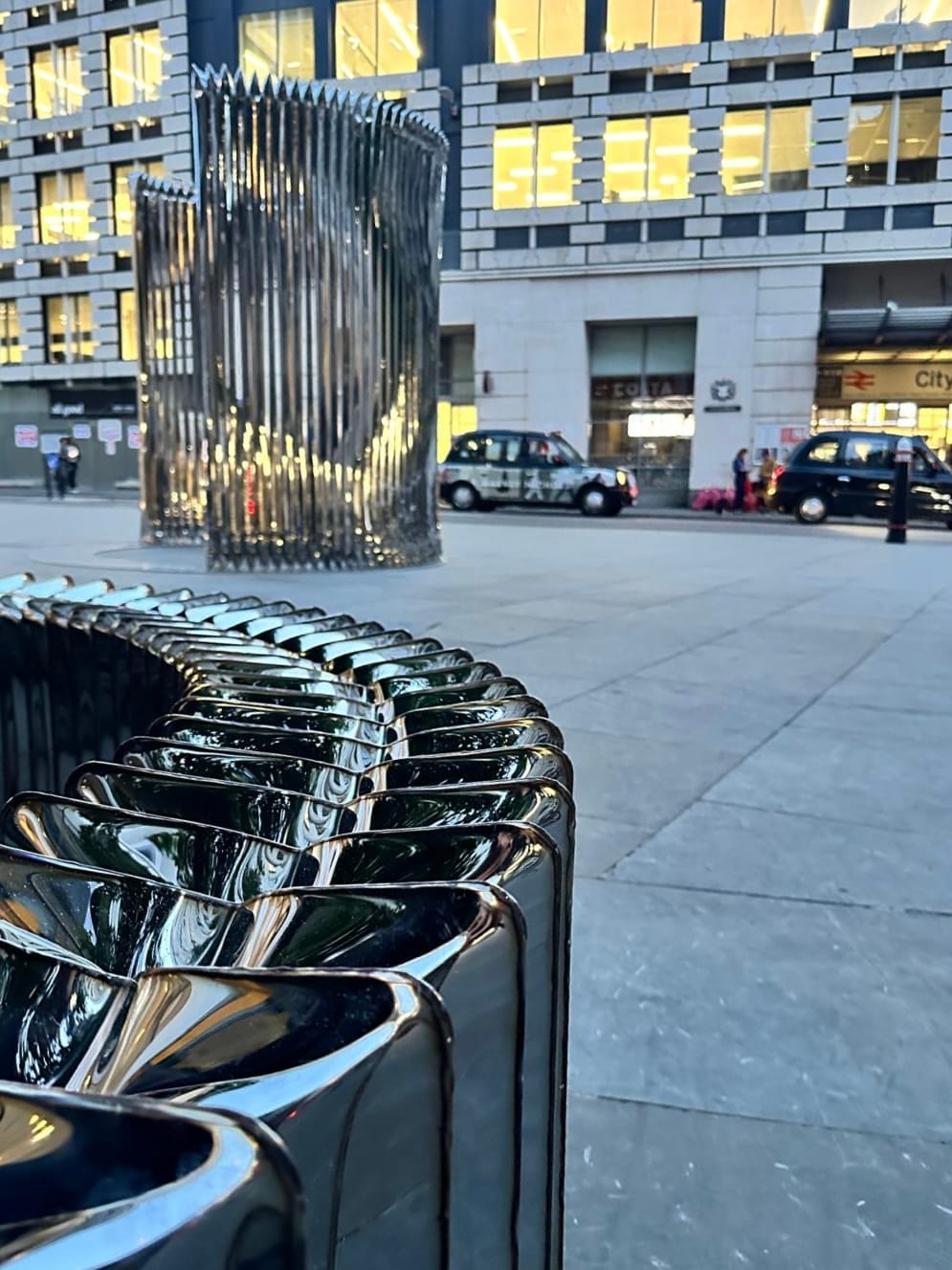
Oskar Zięta, Whispers at NLA, London 2025. Photo: press material, Zięta Studio
Most recently in London, Zięta’s Whispers sculpture joined the 2025 London Festival of Architecture in the City of London — a FiDU-formed installation set in a busy urban context.
The Ultralight Manifesto
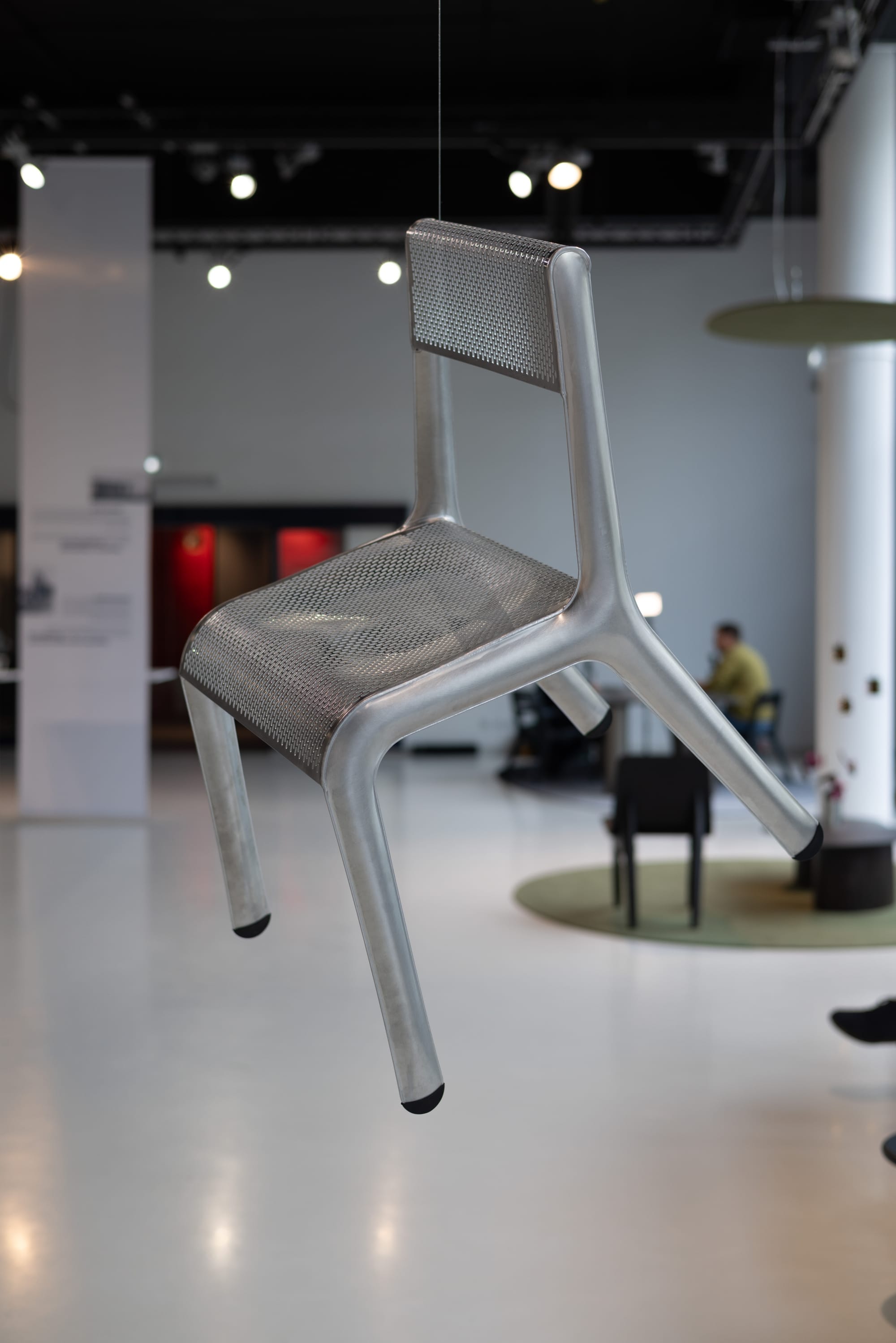
At the exhibition you’ll also see a chair “on air” — Zięta’s manifesto of ultralightness. One of his core explorations is optimizing the lightweight index (mass-to-strength ratio). The principle scales from large structures to utilitarian objects, like Ultraleggera, probably the world’s lightest all-metal chair at 1,660 g — conceived as a contemporary answer to Gio Ponti’s Superleggera (1,700 g), which has been manufactured since 1957. Studio tests indicate Ultraleggera can withstand a load of about 1,208 kg.
Read the metal
When you visit, don’t stop at the gloss. Get close. Trace the seams, read the joins, watch how the light travels across those surfaces. In a world of fast objects and faster tastes, Zięta proposes another rhythm — shapes that stimulate the senses and carry meaning, born from technology and a passion for material, looking forward without losing touch with craft.
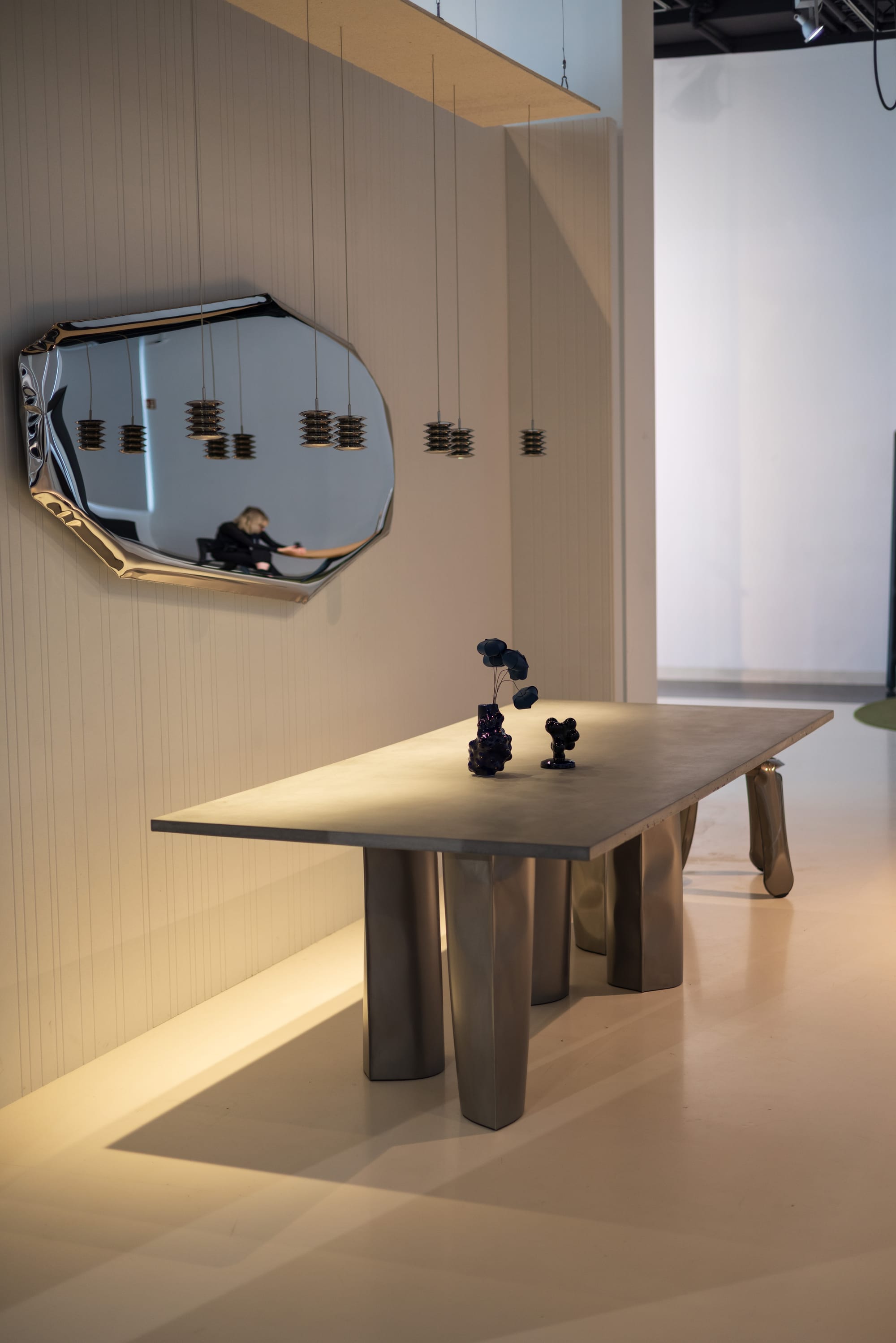
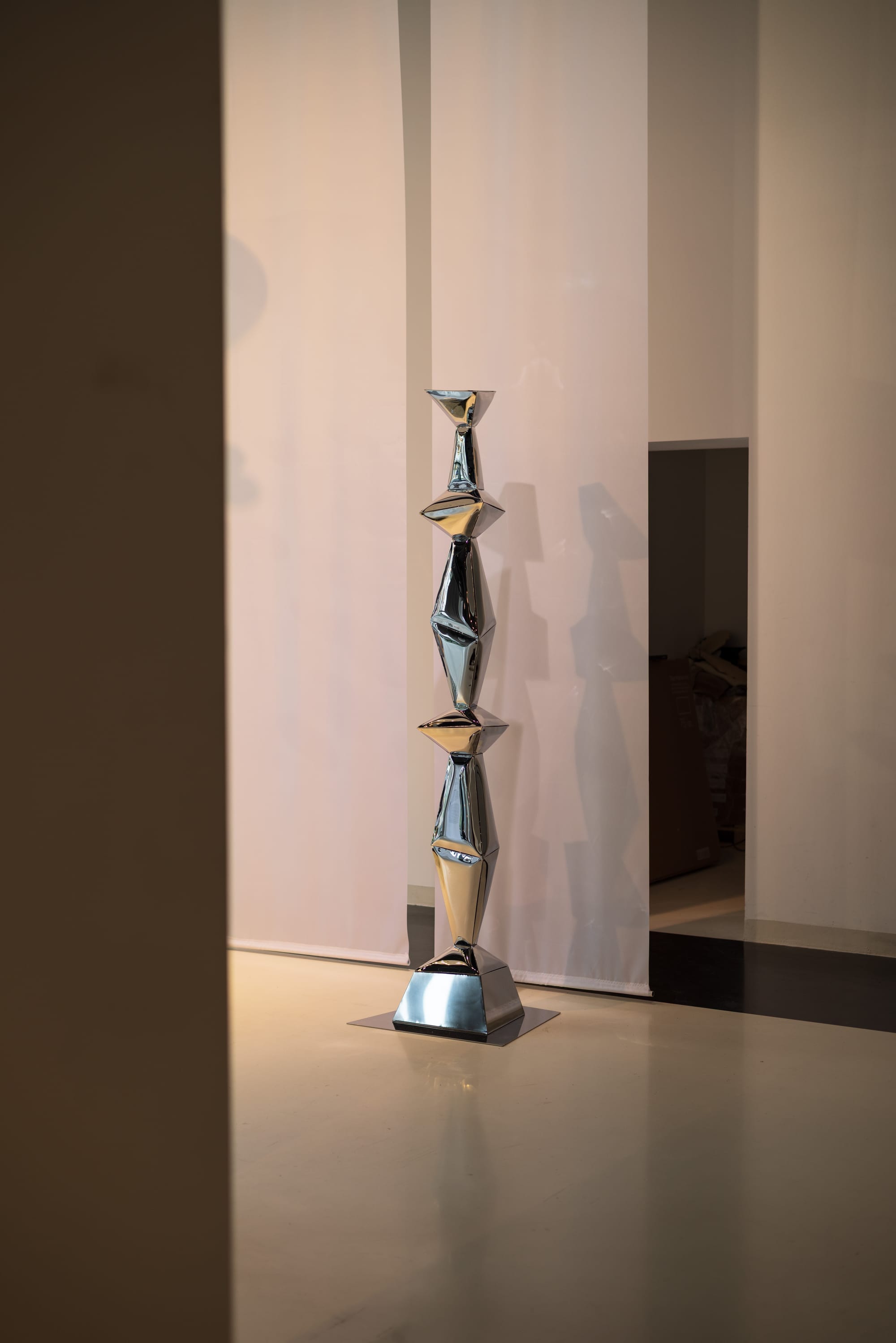
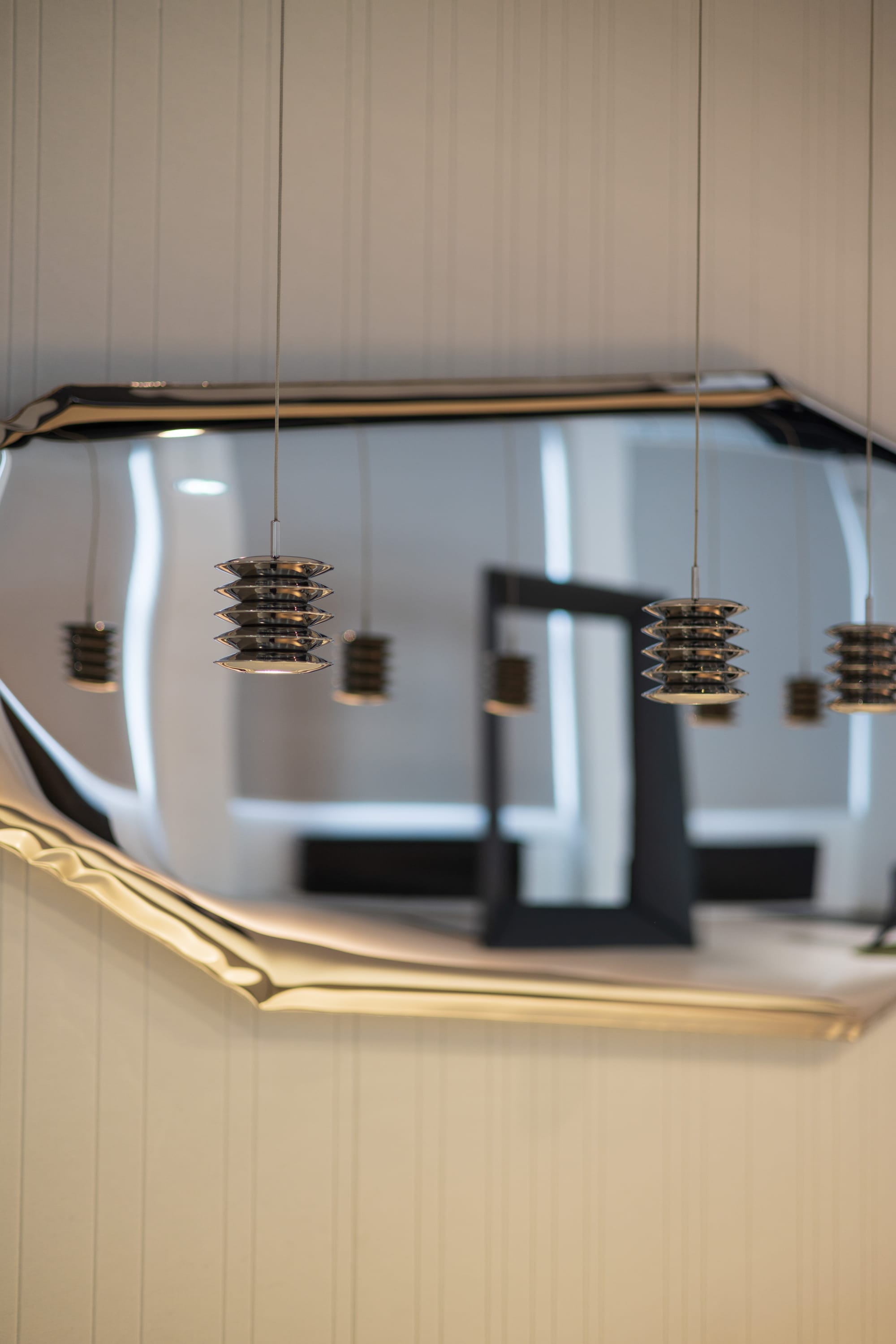
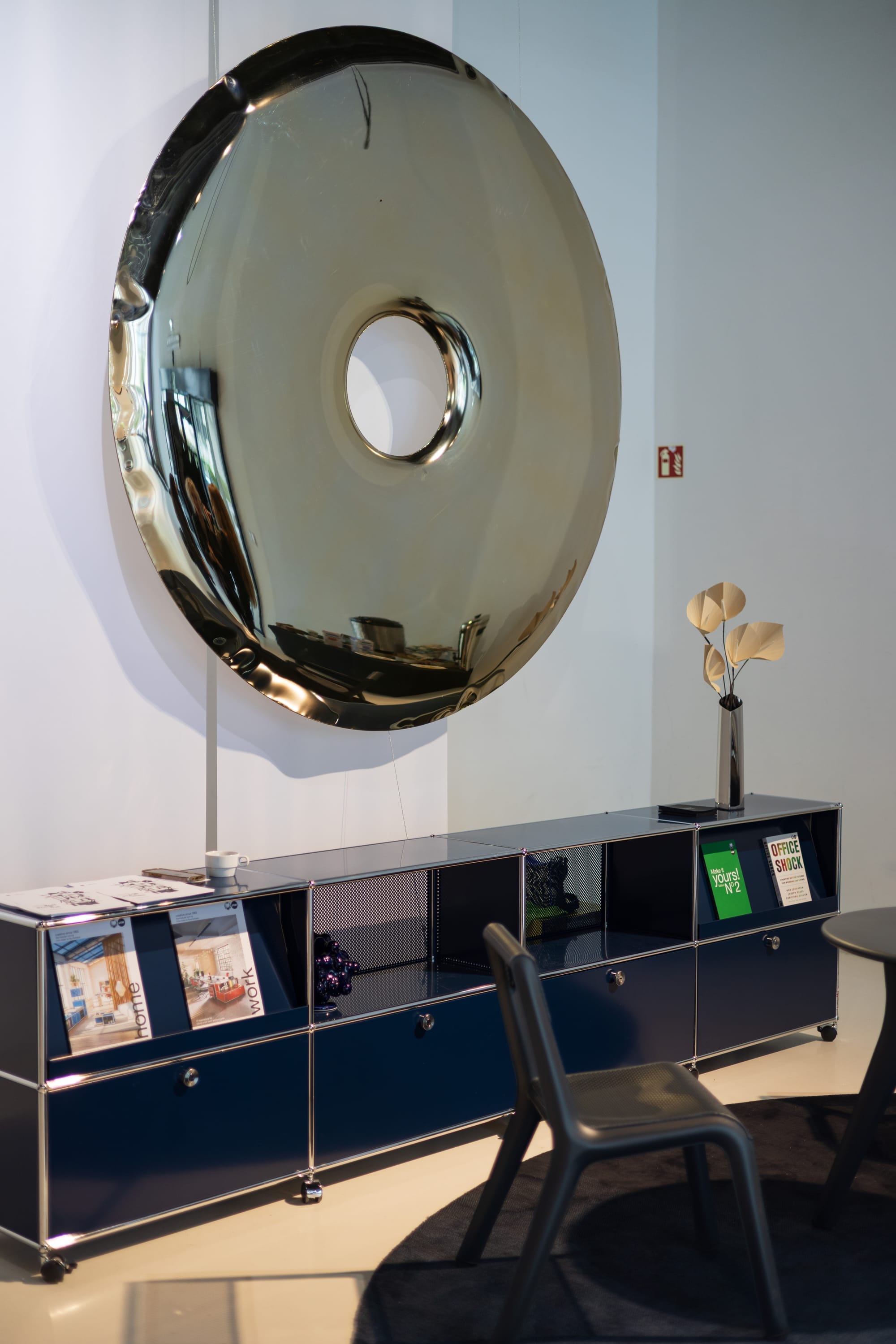
Oskar Zięta. Constructions exhibition, 2025. Photo: Warsawslook
Dates and details
• Dates: 8 – 23 October 2025
• Location: Institute of Industrial Design, 5/7 Świętojerska Street
• Free entry